Russia Outlines New Digital Depository Rules Ahead of Fall Crypto Framework Roll-Out
The Bank of Russia has published draft regulations to create organized cryptocurrency markets, extending existing securities market rules to digital assets. The proposals would establish regulated “digital depositories” with tiered capital requirements from 50 million to …
Intelligence analysis by Llama
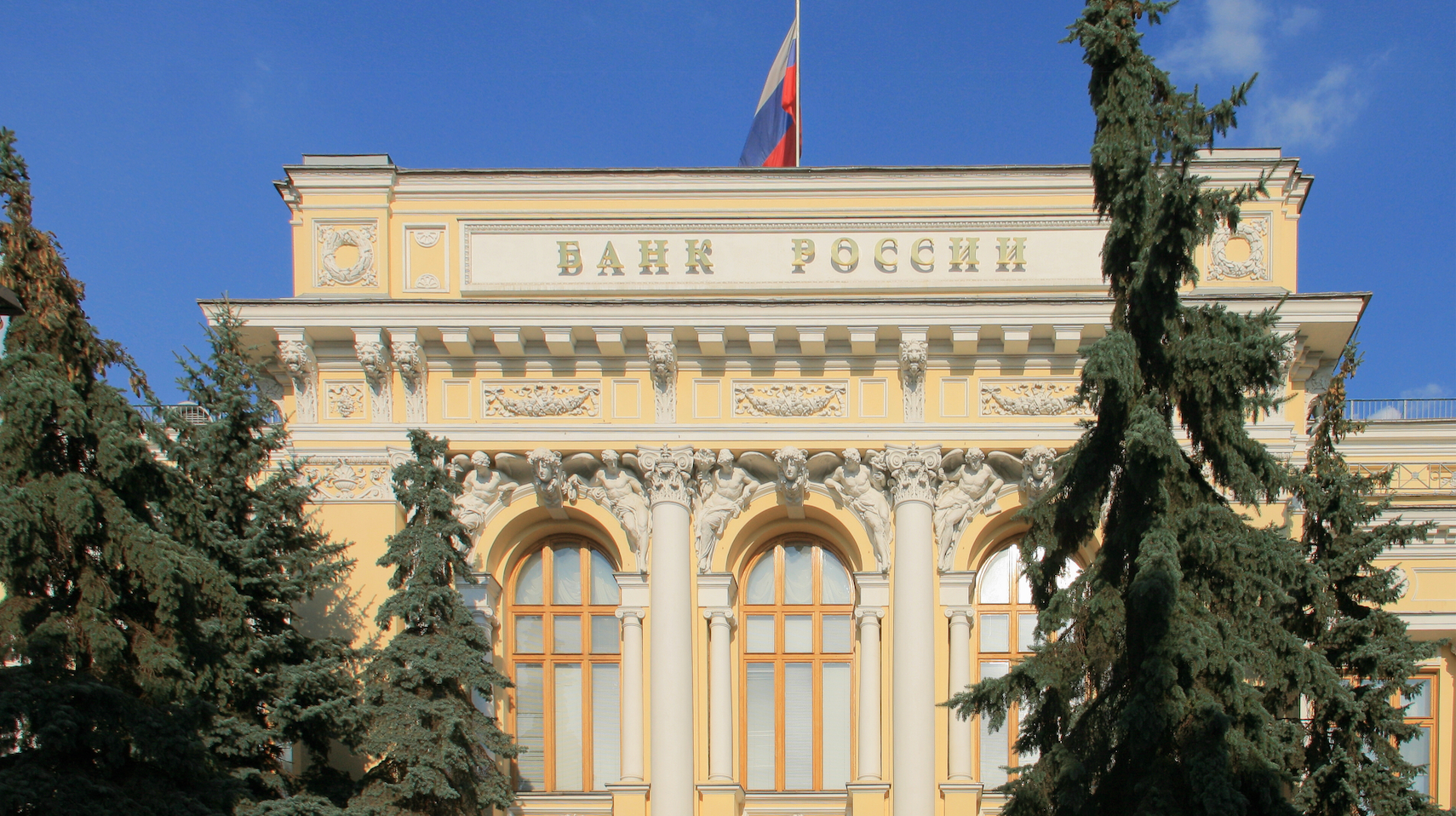
The Bank of Russia has published draft regulations to create organized cryptocurrency markets, extending existing securities market rules to digital assets. The proposals would establish regulated “digital depositories” with tiered capital requirements from 50 million to 250 million rubles, depending on the services they provide and the types of assets they hold. The framework would c…
Imagine a special kind of bank that helps people and companies store and trade digital money, like Bitcoin. The Bank of Russia is making rules for these digital banks to make sure they are safe and trustworthy.
Analysis
A $60B Vote of Confidence
The Bank of Russia's draft regulations are a significant step towards establishing a framework for the creation of organized cryptocurrency markets in Russia. The proposals would extend existing securities market rules to digital assets, creating a level of transparency and regulation for digital assets. This move is seen as a vote of confidence in the potential of digital assets and a recognition of their growing importance in the global financial system.
Why Digital Depositories Matter
Digital depositories are regulated companies that would record holdings of cryptocurrencies and other digital assets. They would need between 50 million and 250 million rubles in capital, depending on the services they provide. This requirement falls to 100 million rubles for firms that control crypto addresses or hold assets with foreign custodians, and 50 million rubles for other digital depositories. Assets counted toward those capital requirements must be liquid, while eligible financial assets must meet the central bank's credit-quality standards.
The Road Ahead
The central bank's proposals are not yet final and have been released for public assessment. The cryptocurrency framework is scheduled to come into full force by September. The new regulations are significant as they will establish a framework for the creation of organized cryptocurrency markets in Russia, which will provide a level of transparency and regulation for digital assets. This move is seen as a vote of confidence in the potential of digital assets and a recognition of their growing importance in the global financial system.
Key points
- The Bank of Russia has published draft regulations to create organized cryptocurrency markets, extending existing securities market rules to digital assets.
- The proposals would establish regulated “digital depositories” with tiered capital requirements from 50 million to 250 million rubles, depending on the services they provide and the types of assets they hold.
- The framework would create “digital depositories,” regulated companies that would record holdings of cryptocurrencies and other digital assets.
- The central bank's proposals are not yet final and have been released for public assessment.
- The cryptocurrency framework is scheduled to come into full force by September.
The new regulations could lead to increased investment in digital assets and the creation of new digital banks, which could help to drive growth and innovation in the sector.
The new regulations could also lead to increased costs and complexity for digital asset companies, which could make it harder for them to operate and innovate.