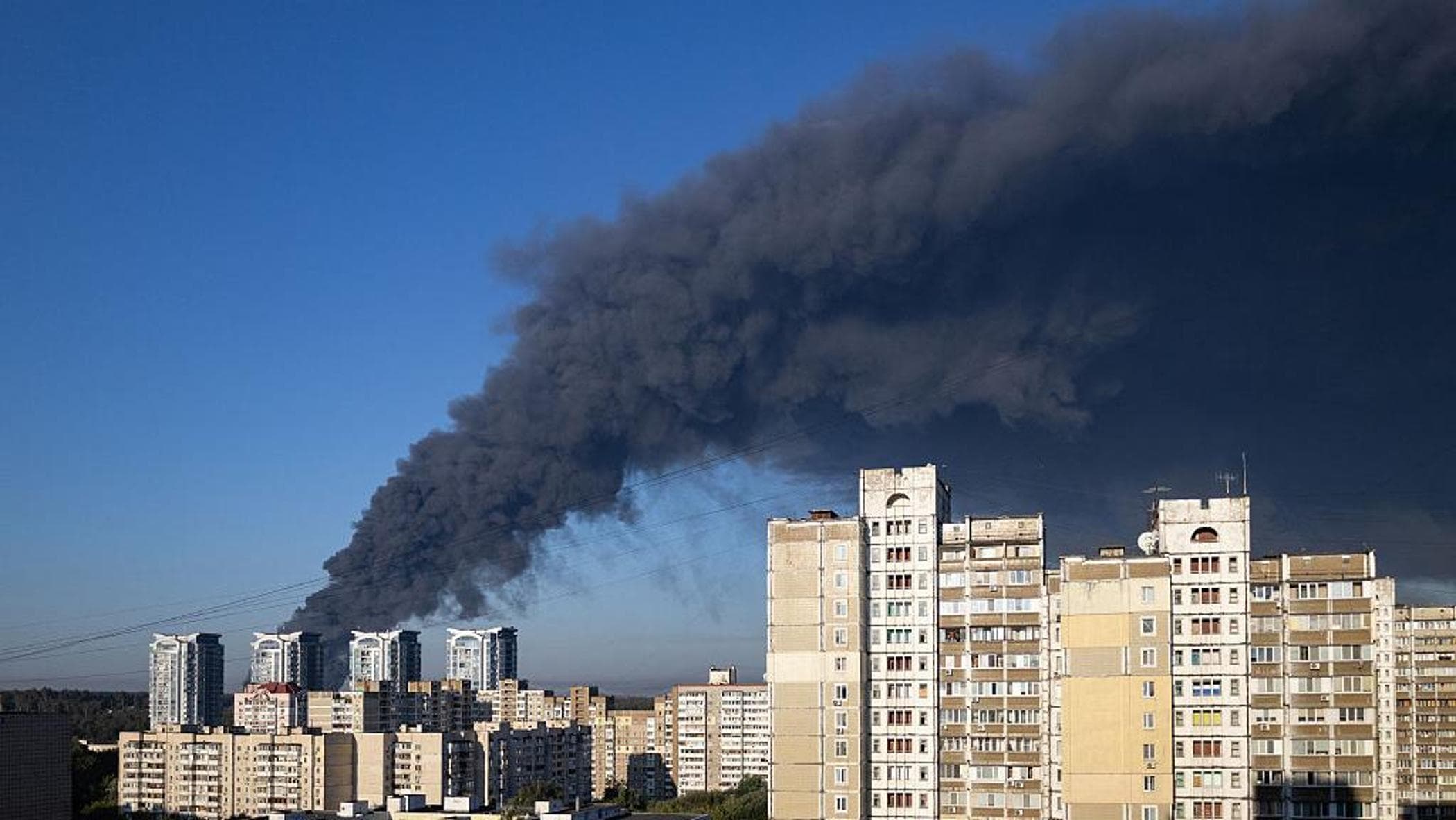
Russia preparing ‘massive strikes against Ukraine’s energy facilities’
Russia's defense ministry announced preparations for massive strikes against Ukraine's energy facilities, citing retribution for Kyiv's attacks on Russian infrastructure. This comes amidst reports of intensified Russian aerial assaults and Ukrainian intelligence suggestin…
Intelligence analysis by Gemini 2.5 Flash
Moscow's defense ministry declared it is preparing large-scale attacks on Ukraine's energy infrastructure, framing the move as retaliation for Ukrainian strikes. This announcement follows a week of heavy Russian aerial bombardments, including a deadly warehouse attack near Kyiv, and coincides with Ukrainian intelligence reports of a planned new ground offensive targeting Kyiv and Cher…
Imagine a big bully who keeps trying to break the lights and heaters in someone's house, especially when it's getting cold. Russia is like that bully, saying they're going to hit Ukraine's power stations again, making it hard for people to stay warm and see. Ukraine is trying to fix things and is also worried the bully might try to push into their yard with soldiers, not just throw things from far away.
Analysis
The recent announcement by Russia's defense ministry regarding preparations for "massive strikes against Ukraine’s energy facilities" signals a dangerous escalation in the ongoing conflict, particularly as winter approaches. This move is explicitly framed by Moscow as retribution for Kyiv's targeting of Russian energy infrastructure, indicating a tit-for-tat dynamic that could severely impact civilian populations. The strategic targeting of energy grids has been a hallmark of Russia's military campaign, aiming to cripple Ukraine's ability to sustain its defense and maintain essential services, thereby exerting immense pressure on the government and populace. Such actions not only inflict immediate hardship through blackouts and heating shortages but also pose long-term challenges to Ukraine's economic stability and recovery efforts. The international community has consistently condemned these attacks as potential war crimes, given their disproportionate impact on civilians.
Denys Shmyhal
Ukrainian Energy Minister Denys Shmyhal had previously warned that Russian President Vladimir Putin's objective was to "finish off (Ukraine’s) energy system." This foresight underscores the persistent threat that Ukraine's critical infrastructure faces, particularly after the devastating blackouts experienced last winter. Shmyhal's statements highlight Kyiv's proactive efforts to strengthen its energy and infrastructure resilience, a crucial undertaking to prevent a repeat of the previous year's humanitarian crisis. The announced Russian preparations directly challenge these resilience efforts, suggesting a renewed and potentially more intense campaign to overwhelm Ukraine's defensive capabilities and energy supply. The minister's earlier assessment provides critical context for understanding the current Russian declaration, confirming that the destruction of Ukraine's energy grid remains a primary strategic goal for Moscow.
Donald Tusk
Polish Prime Minister Donald Tusk recently met with NATO Secretary-General Mark Rutte, where he noted that "the escalation from Russia’s side is progressing." Tusk's observation reflects a broader concern among European leaders regarding the intensifying nature of the conflict and its implications for regional security. His urgent call for "greater air support" for Ukraine emphasizes the critical need for advanced air defense systems to counter Russia's aerial bombardments, which have included nearly 2,000 strike drones, over 1,600 aerial bombs, and 31 missiles in just one recent week. This plea from a frontline NATO member state highlights the direct threat perceived by countries bordering the conflict zone and the imperative for sustained military assistance to Ukraine. The escalating aggression, as noted by Tusk, necessitates a robust and coordinated response from the alliance to deter further Russian advances and protect civilian lives.
Chernihiv
Beyond the energy infrastructure, Ukrainian intelligence also suggests Russia is planning a new ground attack on the capital, Kyiv, and the city of Chernihiv. This indicates a multi-pronged offensive strategy, combining long-range strikes with potential ground incursions, aimed at overwhelming Ukrainian defenses. The recent attack on a warehouse near Kyiv, which reportedly killed 38 people and injured 20, serves as a grim reminder of the immediate human cost of Russia's intensified assaults. Such ground operations, if launched, would significantly broaden the scope of the conflict and place immense strain on Ukraine's military resources, which are already stretched thin across various fronts. The targeting of Chernihiv, a city that has previously endured heavy fighting, suggests Russia's intent to open new fronts or renew pressure on existing ones, further complicating Ukraine's defensive posture and humanitarian situation.
Key points
- Russia's defense ministry announced preparations for massive strikes against Ukraine's energy facilities.
- Moscow frames these impending strikes as retribution for Ukrainian attacks on Russian energy infrastructure.
- Ukrainian officials report recent heavy Russian aerial assaults, including a deadly warehouse attack near Kyiv.
- Ukrainian intelligence suggests Russia is planning a new ground offensive on Kyiv and Chernihiv.
- Polish Prime Minister Donald Tusk urged NATO for greater air support, noting Russia's escalating aggression.
The announced Russian strikes could lead to widespread blackouts and heating shortages across Ukraine, exacerbating a humanitarian crisis as winter approaches. This escalation, coupled with potential new ground offensives, risks increased casualties and further destabilization of the region, placing immense strain on Ukraine's resources and international support efforts.