Russian attack on Kyiv kills at least 17 as Zelenskyy calls for better air defences
Russian missile strikes on Kyiv and surrounding areas killed at least 17 people and injured 27, damaging warehouses and other sites. Ukraine was unable to intercept any of the ballistic missiles, prompting President Zelenskyy to call for more advanced air defence systems.
Intelligence analysis by Gemini 2.5 Flash
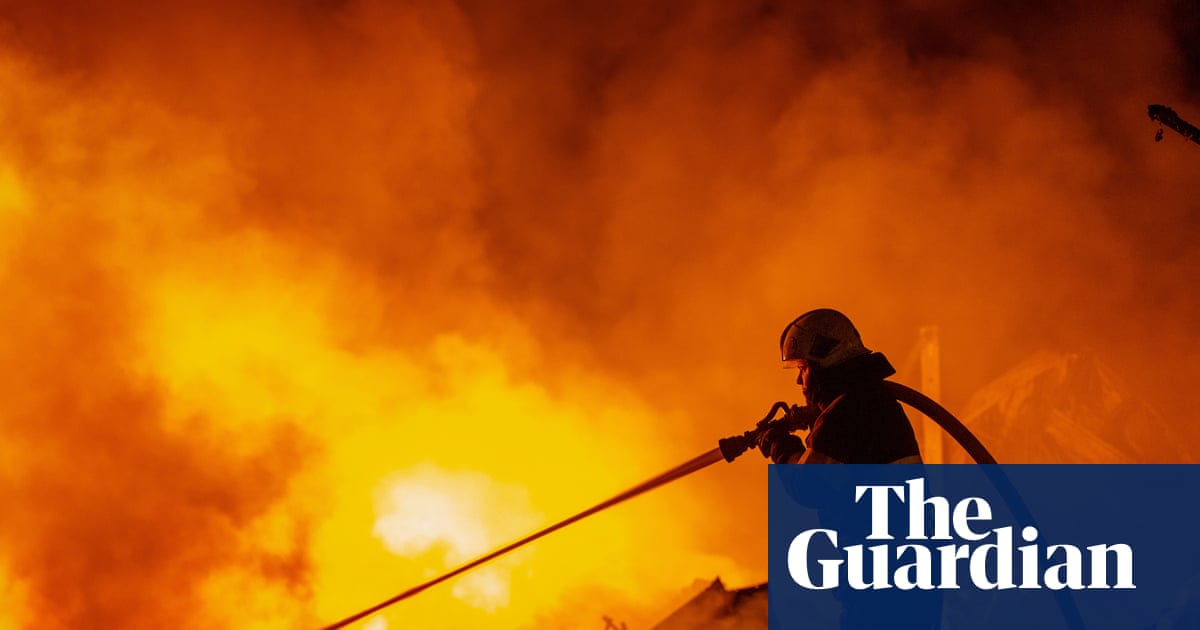
Overnight Russian missile attacks on the Ukrainian capital Kyiv resulted in significant civilian casualties and widespread damage, with emergency services reporting 17 dead and 27 injured. Despite successfully downing most drones, Ukraine's air defenses failed against ballistic missiles, leading President Zelenskyy to urgently request more US-made Patriot interceptors from allies.
Imagine a big city where people are trying to sleep, but suddenly loud booms wake them up. Bad guys fired powerful rockets, and even though the city's shields stopped many smaller flying objects, these big rockets got through, hurting people and setting buildings on fire. The city's leader is asking for even stronger shields, like super-powerful catchers, to protect everyone better from these fast, dangerous rockets.
Analysis
Devastating Impact on Kyiv
The recent Russian missile assault on Kyiv and its environs has inflicted a severe human toll, with at least 17 fatalities and 27 injuries reported by emergency services. The attack, which commenced after midnight, struck seven sites, causing extensive damage to warehouses and storage facilities, including a large fire on the city's outskirts. Rescuers were forced to pull survivors from the rubble of a destroyed warehouse, while an ammonia leak further complicated emergency efforts. The psychological impact on residents is palpable, with one local describing the night as "terrifying" and expressing a grim acceptance of waking up "lucky today," highlighting the constant threat under which the city lives.
This incident underscores the indiscriminate nature of the conflict, as Russia's defense ministry claimed to have targeted military logistics and supply centers, yet the outcome was significant civilian casualties and destruction of civilian infrastructure. The mayor, Vitali Klitschko, noted that people might still be trapped under debris, indicating the scale of the devastation. The acrid smell of burning lingered for hours, a stark reminder of the attack's immediate aftermath and its lasting impression on the urban environment.
Ukraine's Air Defense Challenge
A critical aspect of this attack was Ukraine's inability to intercept any of the ballistic missiles launched by Russia, despite successfully shooting down 98 of 115 drones. This disparity reveals a significant gap in Ukraine's air defense capabilities, particularly against more advanced missile threats. President Volodymyr Zelenskyy's immediate plea for more US-made Patriot interceptors directly addresses this vulnerability, stating that "Ballistic interceptors are what could have saved the lives of those killed today."
Ukraine's reliance on allied supplies to counter missiles is a recurring theme in the conflict, and this event intensifies the urgency of those requests. While drone defense has seen considerable success, the penetration of ballistic missiles into the capital demonstrates a pressing need for more sophisticated and comprehensive anti-missile systems. The ongoing struggle to protect its cities from such attacks remains a primary concern for Kyiv and its international partners.
Broader Conflict Dynamics
This latest assault on Kyiv fits into the broader pattern of the ongoing conflict, characterized by Russia's continued heavy attacks on Ukrainian cities and Ukraine's retaliatory strikes. Russia's claim of hitting military logistics hubs aligns with its stated objectives, even as evidence points to civilian targets being affected. The attack follows recent Ukrainian drone strikes on Wildberries logistics hubs in Russia, suggesting a tit-for-tat escalation in targeting supply and logistics infrastructure on both sides.
The intensifying nature of these attacks, particularly on the capital, indicates a sustained effort by Moscow to degrade Ukraine's logistical capabilities and exert pressure. For the international community, the incident reinforces the need for sustained military and humanitarian support to Ukraine, as the conflict continues to evolve with devastating consequences for civilians and critical infrastructure. The call for better air defenses is not merely a tactical request but a strategic imperative for Ukraine's resilience.
Key points
- Russian missile strikes on Kyiv killed at least 17 people and injured 27, damaging warehouses and other sites.
- Ukraine's air defenses were unable to shoot down any of the ballistic missiles, despite intercepting most drones.
- President Volodymyr Zelenskyy called for more US-made Patriot interceptors to counter ballistic missile threats.
- The attack caused fires in storage areas and an ammonia leak, with witnesses reporting explosions and lingering smoke.
- Russia claimed to have hit military logistics and supply centers, while Ukraine recently struck Russian logistics hubs.
The continued inability to intercept ballistic missiles poses a severe and ongoing threat to Ukrainian cities, likely leading to more civilian casualties and extensive infrastructure damage. This vulnerability could strain Ukraine's resources and morale, potentially forcing difficult strategic decisions if advanced air defense systems are not supplied quickly and in sufficient numbers.
Market signals
- OIL Supply-route risk from the reported conflict and targeting of logistics hubs pushes oil prices higher due to potential disruptions.
- XAU Escalation of conflict and geopolitical instability drives safe-haven demand for gold as investors seek stability.
AI-generated analysis of potential market relevance. Not financial advice.