Russian warship carries out rare live-fire exercise 45 miles off UK coast
A Russian frigate fired its main cannon 45 miles south of Plymouth after giving short notice, prompting UK criticism and close Royal Navy tracking.
Intelligence analysis by GPT-5.4 Mini
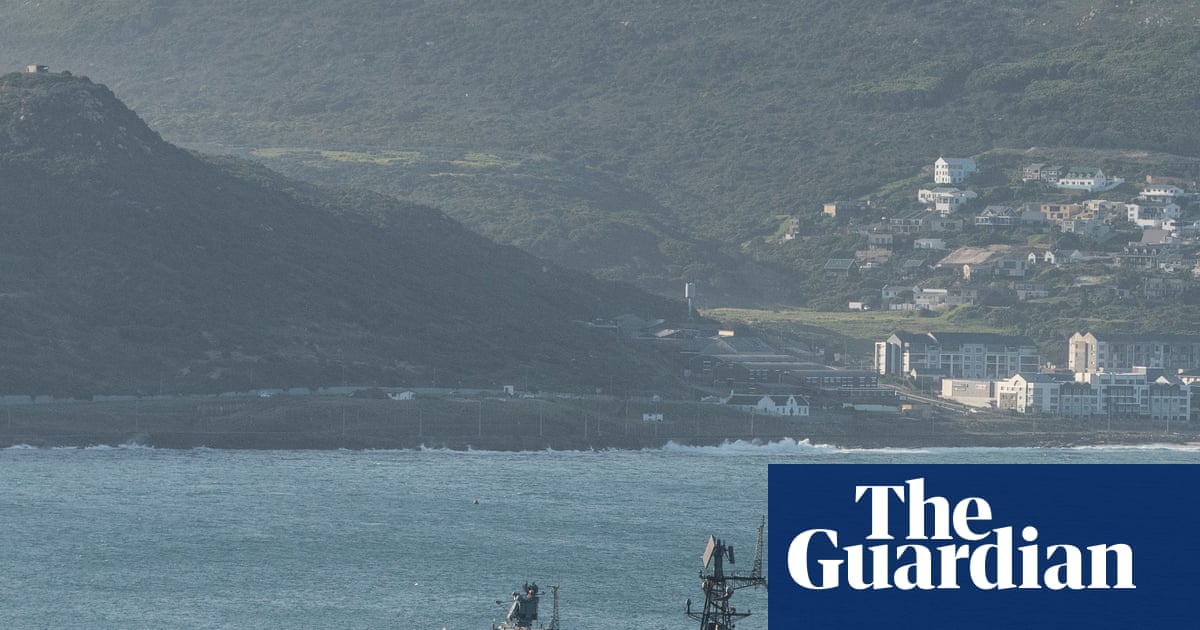
The Neustrashimy’s drill in international waters is being read in London as another deliberate show of force near British shores. The episode adds to already strained UK-Russia maritime tensions and underscores how much of the contest is now about signaling as much as firepower.
A Russian ship fired its big gun near the UK after warning first. It was like someone doing loud practice with a baseball bat right outside a neighbor’s house: allowed if rules are followed, but still scary and annoying.
Analysis
A Rare Drill in a Crowded Waterway
The article frames the firing exercise as unusual not because it was illegal on its face, but because of its proximity and timing. A short-notice live-fire drill 45 miles off the UK coast is presented as a rare event, especially in waters where commercial traffic is dense and military caution is normally high.
That matters because procedure becomes part of the message. The Russian frigate gave the British patrol vessel a warning and the Royal Navy repositioned, which kept the exercise within a legal and managed framework. But the optics still point to a deliberate act of presence, not a routine training run far from scrutiny.
The Guardian’s framing suggests the real issue is less the cannon blast itself than the decision to stage it so close to Britain. In that sense, the incident is a reminder that modern naval power can be used to unsettle without crossing the threshold into open conflict.
Signaling, Tracking, and Maritime Pressure
Wes Streeting’s description of the drill as “performative and irresponsible” captures the political reading in London. The article places the episode alongside other Russian naval activity around British waters in 2026, including warning shots near a British yacht, to show a pattern rather than an isolated stunt.
The Royal Navy’s response also reveals how these encounters consume resources. Shadowing, repositioning, and continuous monitoring are not just tactical tasks; they are a form of endurance competition. Even when nothing is fired at a target, the mere need to watch and react keeps British vessels engaged.
The piece also notes that Russian warships may be used to escort tankers or to create psychological pressure. That dual use blurs the line between routine navigation and strategic signaling, which is exactly what makes these episodes so hard to dismiss.
What This Means for UK-Russia Friction
The article places the drill in a wider context of heightened maritime tensions, including the seizure of a Russia-linked oil tanker and warnings about possible retaliation. That means the live-fire exercise is not just a technical event at sea; it sits inside an escalating exchange of moves and countermoves.
The Kremlin’s insistence that its warships act in accordance with international law does little to reduce the tension. In practice, both sides appear to be operating in a space where legality, deterrence, and intimidation overlap, leaving little room for trust.
For the UK, the challenge is to avoid being drawn into overreaction while still showing resolve. For Russia, the value of these exercises may lie in forcing Britain to treat every deployment as a potential test, which is itself a strategic outcome.
Key points
- A Russian frigate conducted a short live-fire drill in international waters about 45 miles south of Plymouth.
- The ship gave short notice and the Royal Navy moved a tracking vessel to a safe distance before the firing began.
- UK officials described the exercise as performative and irresponsible and said the Royal Navy continued to monitor the ship closely.
- The article places the incident in the context of broader UK-Russia maritime tensions and previous warning-shot incidents.
If both sides keep using notice procedures and the Royal Navy keeps shadowing carefully, the incident may stay contained without turning into a direct confrontation. Clear tracking and restraint could lower the chance of a dangerous mistake at sea.
Repeated drills close to UK waters could normalize brinkmanship and force Britain to spend more resources on constant monitoring. With maritime tensions already high, a misread signal or rushed response could trigger a more serious escalation.