Russia's fuel crisis intensifies as Ukraine steps up strikes on occupied territories
Ukraine's drone strikes on occupied areas and Russian oil infrastructure are deepening fuel shortages in Crimea and other southern regions.
Intelligence analysis by GPT-5.4 Mini
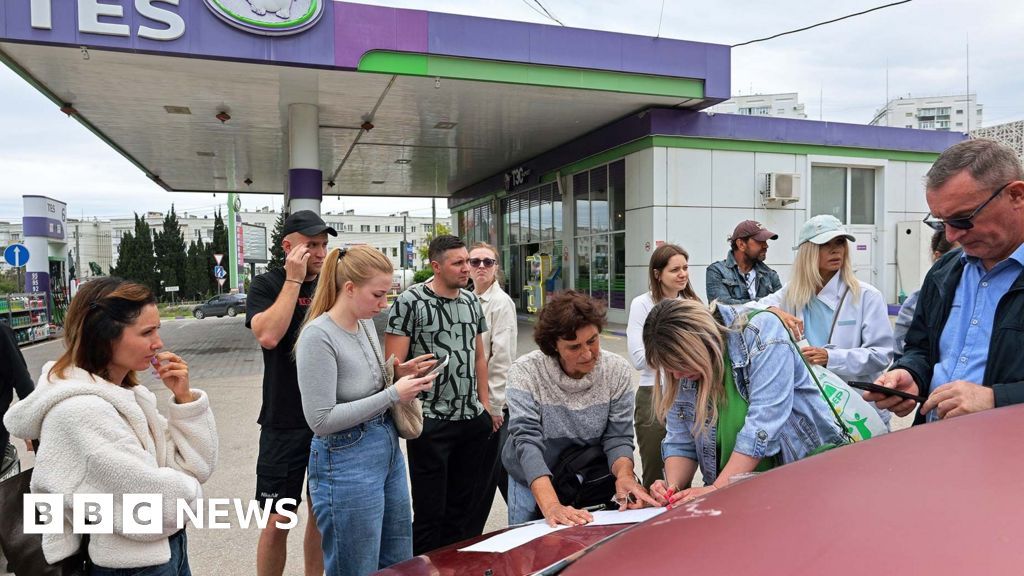
Ukraine's attacks on transport links and fuel infrastructure are worsening shortages in Russian-occupied Crimea, where residents face long queues, rationing, and higher prices. The article says the pressure is spreading beyond refineries into local distribution networks, tightening the squeeze on civilians and the military.
Ukraine is hitting roads, bridges, and fuel places that Russia uses to move petrol around. That is like poking holes in the pipes that carry water, so people in Crimea end up waiting in long lines and cannot get enough fuel.
Analysis
What is happening
Ukraine's drone campaign against Russian-occupied territories is now colliding with a fuel shortage that was already being worsened by strikes on Russian oil refineries. The sharpest pressure is in Crimea, which Russia annexed in 2014 and uses as a strategic base for operations against Ukraine.
Why Crimea is vulnerable
According to the article, recent attacks on a motorway and bridge linking Rostov to Crimea via Mariupol have disrupted a key supply route. Analysts quoted by BBC describe that corridor as central to Russian control in the south. With ferries disrupted and the Kerch bridge seen as risky for fuel transport, road routes have become the main option left - and that leaves supply lines exposed.
Effects on daily life and logistics
The impact is visible in long queues at petrol stations, rationing of fuel purchases, and reports of higher petrol and diesel prices. In much of Crimea, locals can buy only up to 20 litres at a time using vouchers, if fuel is available at all. The Kremlin-appointed regional head, Sergei Aksyonov, said on 5 June that it was not possible to fully meet fuel demand and noted that hundreds of buses would not leave depots because of shortages.
Wider economic and military implications
The article says the shortages are not just a civilian problem. A pro-Kremlin military channel argued that the same logistics bottleneck affects troops in the south as well. Craig Kennedy, quoted by BBC, said Ukraine appears to be shifting from large refinery targets toward smaller distribution networks, which concentrates the disruption on local populations and military supply chains.
Bottom line
The piece depicts a fuel system under strain from both upstream refinery damage and downstream transport disruption. That combination is what makes the crisis feel more severe and harder to reverse quickly.
Key points
- Ukraine's drone strikes are disrupting fuel supply routes into Russian-occupied Crimea.
- Residents in Crimea are facing long queues, rationing, and reports of higher fuel prices.
- Local authorities have acknowledged that demand cannot be fully met at present.
- The shortages may also affect Russian military logistics in the south.
- Ukraine appears to be widening its campaign from refineries to smaller distribution networks.
If Ukraine's strikes continue to pressure supply routes rather than just refineries, they could force more careful use of fuel and expose weak spots in Russia's logistics. The article suggests that this may increase leverage over occupied territory without requiring direct ground fighting.
The shortages could get worse for civilians if fuel deliveries remain unreliable and prices keep rising. The same bottlenecks may also hamper buses, commercial transport, and military logistics in southern occupied areas, extending the disruption beyond Crimea.