Samsung Galaxy Z Fold 8 Ultra review: Nice upgrades, but not quite ultra
Engadget gives the Galaxy Z Fold 8 Ultra an 8.8/10, praising its brighter 3,000-nit screens, 5,000mAh silicon-carbon battery and Snapdragon Elite Gen 5 chip, but questioning whether incremental refinements earn the Ultra badge.
Intelligence analysis by Llama
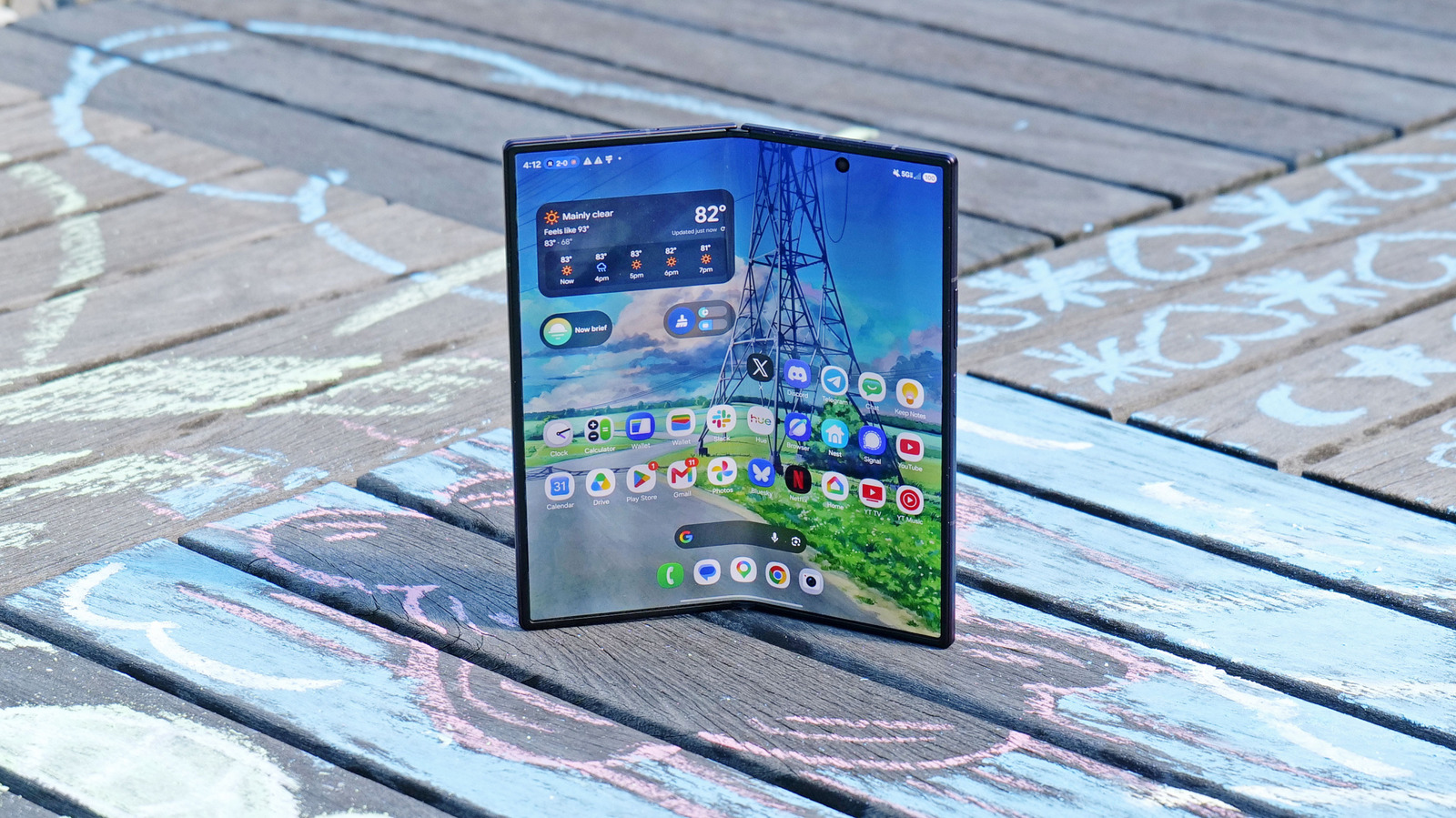
Samsung's flagship Galaxy Z Fold 8 Ultra brings a new Snapdragon Elite Gen 5 chip, brighter 3,000-nit displays and a 5,000mAh silicon-carbon battery, but the design is essentially unchanged from its predecessor, leaving the reviewer unconvinced the 'Ultra' name is warranted.
Samsung made a new phone that folds open like a book. It's faster, the screen is brighter, and the battery lasts longer than before. But it looks almost the same as last year's model, so the reviewer isn't sure the fancy 'Ultra' name is really deserved.
Analysis
A Two-Pronged Foldable Strategy
Samsung's decision to bifurcate the Z Fold line into a base Z Fold 8 with a wider, content-friendly form factor and a productivity-focused Z Fold 8 Ultra is the most significant structural change the series has seen. The move mirrors the strategy Samsung already uses for the Galaxy S series, treating foldables as a full-fledged flagship family rather than a single experimental device. According to Engadget, the base and Ultra models share the same Snapdragon Elite Gen 5 for Galaxy chip and 16GB of RAM option, meaning performance parity is now table stakes. The differentiation has to come from form factor, displays and camera versatility, areas where the Ultra still wins with three rear cameras and taller screens better suited to multitasking.
Refined, Not Reinvented
The review's central tension is that the Z Fold 8 Ultra is essentially a polished Z Fold 7. The 8.9mm closed thickness, 7.58-ounce weight and IP48 rating carry over unchanged. Samsung shaved a tenth of a millimeter off the open-flat profile (4.1mm vs 4.2mm), added tapered edges to make the device easier to open, and inserted a titanium alloy layer beneath the flexible display to reduce crease visibility. These are real, if incremental, quality-of-life improvements. The displays now peak at 3,000 nits (up from 2,600) with an anti-reflective coating on the interior panel, and the main screen resolution ticks up to 2,256 x 2,504. The result, Rutherford writes, is a phone that anyone familiar with the predecessor will recognize instantly, which raises the question of what 'Ultra' actually adds beyond a marketing badge.
Where the Ultra Earns Its Keep
Despite the design stasis, the Ultra does deliver where it matters most. The 5,000mAh silicon-carbon battery is the largest jump in series history and addresses one of the persistent complaints about foldables. The camera system, a 200MP main, 10MP 3x telephoto and a new 50MP ultra-wide, outclasses the base model, which drops the optical zoom in favor of digital enhancement. For multitaskers, the taller screens reduce UI clutter in split-screen apps, even if they create more letterboxing when watching video. The review notes that Google Pixel phones still edge out Samsung in pure image detail and color accuracy, a familiar refrain. The 8.8/10 score and the absence of a built-in Qi2 magnetic ring hint at a device that plays it safe: excellent, but not the leap the Ultra name implies.
Key points
- Samsung split the Z Fold series into a base Z Fold 8 and a productivity-focused Z Fold 8 Ultra for the first time
- The Ultra keeps the predecessor's 8.9mm closed thickness and 7.58oz weight, with only a 0.1mm reduction when open flat
- Snapdragon Elite Gen 5 for Galaxy chip with up to 16GB RAM and 1TB storage delivers class-leading performance shared with the base model
- Battery capacity jumps to 5,000mAh via a new silicon-carbon cell, the largest increase in the series' history
- Reviewer rates it 8.8/10 but questions whether iterative refinements justify the 'Ultra' branding
If Samsung's silicon-carbon battery delivers on the 5,000mAh capacity bump in real-world use, the Z Fold 8 Ultra could set a new endurance standard for flagship foldables, easing one of the format's biggest pain points. The 3x optical zoom and brighter, anti-reflective interior display also position the Ultra as a strong tool for mobile productivity, where Samsung's multitasking software still leads.
The lack of meaningful design changes and the absence of a built-in Qi2 magnetic ring could leave the Ultra vulnerable to competitors offering more substantial upgrades at similar prices. Persistent letterboxing on the nearly square flexible display when watching video also limits the device's appeal for media consumption, ceding ground to the wider base Z Fold 8.