Samsung is poised to become a dominant stablecoin distributor, analysts say
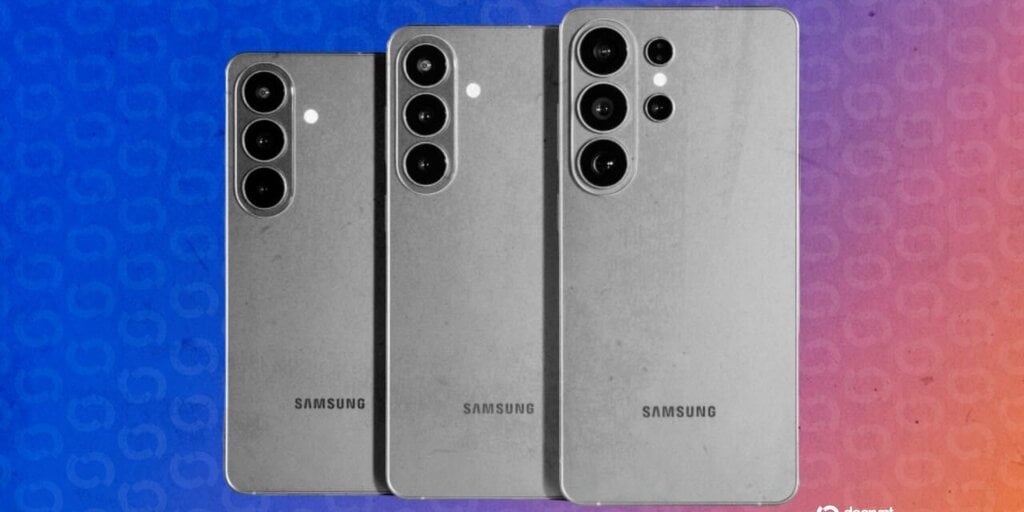
Samsung plans to add native stablecoin features to 800 million new Galaxy smartphones via Samsung Wallet, potentially making it a dominant distributor of tokens like USDC.
Intelligence analysis by Llama
Samsung is integrating fiat-pegged savings and payment accounts directly into Galaxy hardware across 61 countries, positioning the company to integrate payments, rewards, and digital assets into a single ecosystem.
Samsung is adding a special feature to its 800 million smartphones that will allow users to store and manage cryptocurrencies like USDC. This could make it easier for people to use and transfer digital value, and potentially increase adoption of cryptocurrencies.
Analysis
A $60B Vote of Confidence
Samsung's recent announcement that it is adding stablecoin support to 800 million new smartphones could position the tech giant to become a major stablecoin distributor, experts told CoinDesk. This is not Samsung's first venture into cryptocurrencies. Samsung, the largest company in South Korea, has been actively involved in the crypto industry for several years, having introduced its digital asset wallet in 2019 through Knox, a hardware-isolated vault with fingerprint or PIN access. The wallet allows users to store and manage crypto including bitcoin, ether, and tron, and supports connecting external hardware wallets like Ledger's Nano S and Nano X directly to a Galaxy device. Samsung is now arguing that it can make payments easier, using a type of cryptocurrency with a consistent value. "Due to this strategic move, Samsung will emerge as a dominant distributor of stablecoins such as USDC," said Joseph Goh, director and head of Asia Pacific at crypto investment banking and advisory firm Areta, in chat messages with CoinDesk. He said one of the most significant issues holding back greater adoption is reaching potential new users. "Distribution is the scarce asset here, and Samsung owns a great deal of it." Ben Nadareski, CEO and co-founder of Solstice, said he views this as a positive development for crypto adoption and agreed with Goh that it puts Samsung in a unique position.
Why Cursor?
Samsung outlined its Samsung Wallet expansion plans during its Galaxy Unpacked 2026 event, saying over 800 million smartphones would have stablecoin features by default, including fiat-pegged savings and payments accounts. The company did not lay out its projections for user uptake, or say how many users were already using its crypto features. Lee Dinham, smartphone specialist product manager, said Samsung would embrace new forms of digital value, including stablecoins. He said the Samsung Wallet already has nearly 19 million users in South Korea alone and is available in 61 countries. However, he did not go into detail regarding actual crypto users within the Samsung ecosystem. "This will make Samsung one of the first major mobile phone brands to offer native stablecoins on smartphones, enabling fast and reliable transfer of digital value," Dinham said during the event.
The Road Ahead
If it follows through, over 800 million would potentially have access to Galaxy's stablecoin features and other crypto without requiring a separate crypto app or exchange account. Already, there are over one billion active Samsung smartphones worldwide. Stablecoins and infrastructure During its Q2 earnings call last week, Samsung SDS CEO Lee Jun-hee said that the company's stake in crypto exchange Upbit operator Dunamu is a strategic investment to enter the digital asset infrastructure business, including stablecoins and AI-powered payments. Three Samsung affiliates agreed in May to acquire a 4% stake in Dunamu, the operator of South Korea's largest cryptocurrency exchange, Upbit, for $408 million. Samsung Securities, Samsung SDS and Samsung Card are the affiliates involved in the deal. "This is the other half of the same strategy, and from a deal perspective, it is the more telling half," said Goh. "The wallet announcement secured distribution; SDS and Dunamu will secure the infrastructure beneath it." Goh said he believes Samsung is aiming to build the infrastructure itself, rather than rely on a third-party provider. "Their goal is to be positioned in both dollar and won stablecoins while Korea's framework is still being discussed. The timing is deliberate." South Korea unveiled a draft of the Digital Asset Basic Act in April that would lay the groundwork for digital assets, including trading, custody, supervision, and stablecoin issuance. However, there is still no deadline for approval of the act or implementation of new crypto rules.
Key points
- Samsung plans to add native stablecoin features to 800 million new Galaxy smartphones via Samsung Wallet.
- The move could make Samsung a dominant distributor of tokens like USDC.
- Samsung has been actively involved in the crypto industry for several years, having introduced its digital asset wallet in 2019 through Knox.
- The company is aiming to build the infrastructure itself, rather than rely on a third-party provider.
- Samsung's stake in Upbit operator Dunamu is a strategic investment to enter the digital asset infrastructure business, including stablecoins and AI-powered payments.
If Samsung follows through on its plans, over 800 million people could have access to stablecoin features and other crypto without requiring a separate crypto app or exchange account. This could lead to increased adoption of cryptocurrencies and a more widespread use of digital assets.
However, there are still many challenges to overcome before stablecoins and cryptocurrencies become widely accepted. Regulatory uncertainty, security risks, and user education are just a few of the hurdles that Samsung and other companies will need to address in order to make this vision a reality.