San Francisco police find wreckage of boat that sank as body identified
Police found the wreckage of the Volare in San Francisco Bay as officials identified a second victim from the capsizing. Two people remain missing after the boat overturned with 20 aboard.
Intelligence analysis by GPT-5.4 Mini
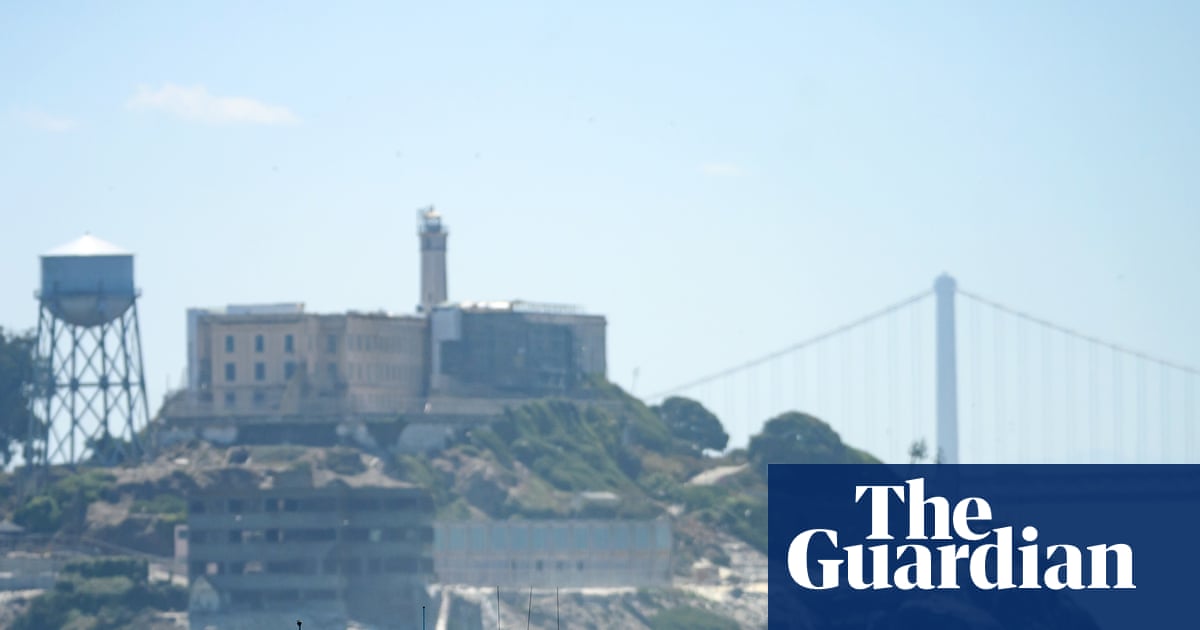
The search around Alcatraz has shifted from rescue to recovery after a sightseeing outing turned deadly in rough Bay waters. Police have located the submerged boat and identified one victim, but two people are still unaccounted for.
A boat ride in San Francisco Bay went very wrong when a wave flipped the boat over. Rescue teams found the boat underwater, like finding a toy dropped into deep water, and they are still looking for two missing people.
Analysis
A Calm Outing Turned Into a Hazard Zone
The article centers on how a family trip to scatter ashes became a disaster when the 49-foot Volare was hit by a wave and capsized. That detail matters because it frames the event not as a reckless stunt, but as a normal commemorative gathering colliding with difficult marine conditions.
San Francisco Bay is not just scenic; it is also unforgiving. The story emphasizes strong currents, deep water, and a rocky seabed near where the boat went down, all of which make even a short distance from shore potentially lethal.
What The Recovery Teams Found
Police found the submerged wreckage near the sinking site and used sonar plus a remotely operated vehicle to assess whether it could be recovered safely. That suggests the immediate rescue phase has given way to a slower technical operation, where visibility, depth, and hull position matter as much as urgency.
The identification of Tondra Madruga gives the tragedy a name and a family context, while also underscoring that the final toll is still unknown. With two people still missing, the wreckage is not just evidence of what happened; it is now the key to understanding whether more victims remain trapped or unlocated.
The Human Cost Beyond The Headline
The article makes clear that the aftermath is being carried by families, not just emergency services. One relative described the loss in personal terms, and another family member identified the missing sister and wife, showing how the impact extends across an entire network of relatives and friends.
There is also a broader lesson about how search operations evolve. The Coast Guard suspended its effort, but police continued, which reflects a familiar pattern in maritime disasters: when the chance of survival falls and the terrain is brutal, the mission shifts from rescue to closure and accountability.
Key points
- Police found the submerged wreckage of the Volare near the area where it sank.
- Tondra Madruga, also known as Tondra Miller, was identified as a victim by the medical examiner.
- Two people are still missing after the boat capsized in San Francisco Bay.
- The boat had 20 people aboard when it was hit by a wave and overturned.
- Investigators are using sonar and a remotely operated vehicle to assess the wreckage safely.
Finding the wreckage may help investigators understand exactly how the boat capsized and whether the missing people can still be located. The continued use of sonar and a remotely operated vehicle gives responders a better chance of mapping the site carefully and avoiding further danger.
The water is deep, cold, and full of strong currents, which makes recovery difficult and reduces the chances of finding the missing quickly. If the wreckage is unstable or hard to reach, it could slow the search and leave families without answers for longer.