Satya Nadella has issued a warning to companies using AI
Microsoft CEO Satya Nadella has warned companies using AI that they are paying twice: once with money and again with valuable data. He argues that enterprises are handing over proprietary knowledge to AI model makers, which can then use it to become competitors.
Intelligence analysis by Llama
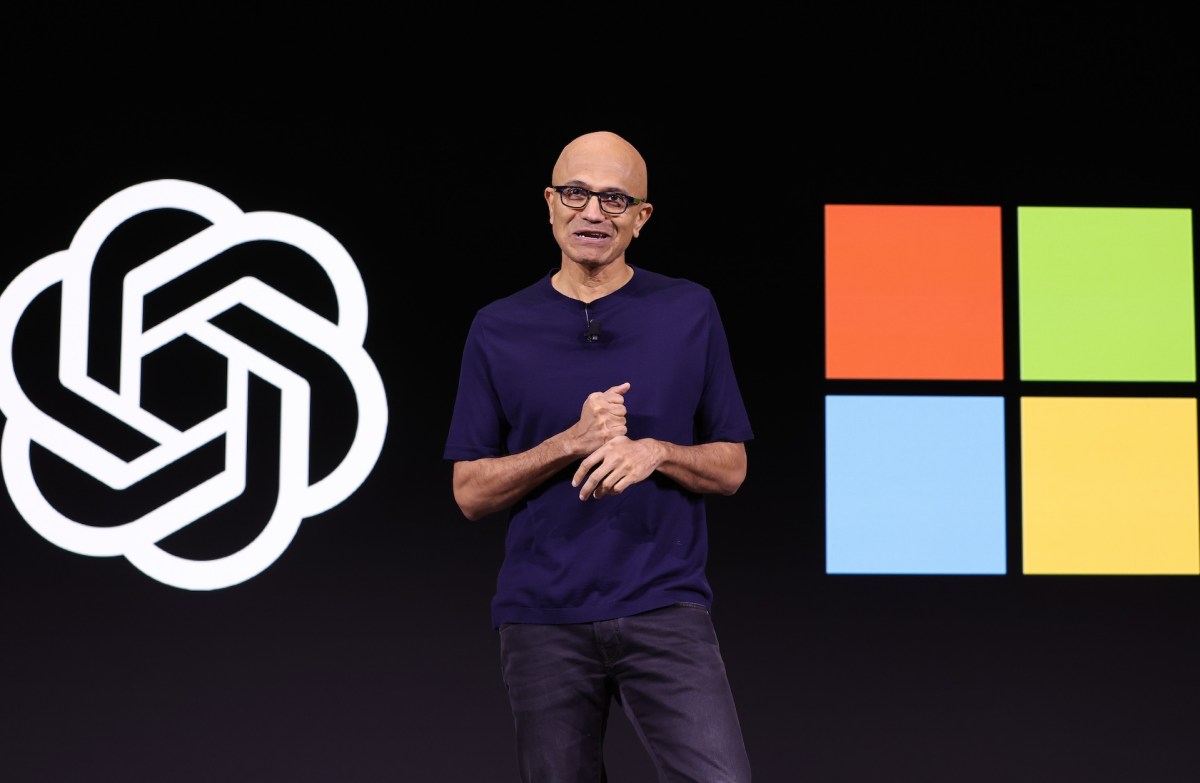
Satya Nadella has issued a warning to companies using AI, stating that they are paying twice: once with money and again with valuable data. He argues that enterprises are handing over proprietary knowledge to AI model makers, which can then use it to become competitors.
Imagine you're using a super smart AI assistant to help you with your business. But what if that AI assistant was secretly learning all about your business and using that knowledge to compete against you? That's what Microsoft CEO Satya Nadella is warning companies about. He says that when we use AI models, we're essentially paying twice: once with money and again with valuable data. This is a big concern because it means that companies may be losing control over their sensitive business information.
Analysis
A $60B Vote of Confidence
Satya Nadella's warning to companies using AI is a significant development in the ongoing debate about the potential downsides of AI. The Microsoft CEO's comments come at a time when the AI industry is facing increasing scrutiny over issues such as data ownership, model transparency, and the potential for AI to be used as a competitive advantage. Nadella's warning is particularly noteworthy given Microsoft's significant investments in AI research and development, including its partnerships with OpenAI and Anthropic. By urging companies to be cautious when using proprietary AI models, Nadella is effectively acknowledging the risks associated with these models and the potential for them to be used against their users.
Why Cursor?
Nadella's warning is also significant because it highlights the need for companies to be more mindful of the data they are sharing with AI model makers. He argues that enterprises are handing over valuable knowledge to these companies, which can then use it to become competitors. This is a concern that has been raised by other experts in the field, including VCs like Jason Calacanis and Palantir CEO Alex Karp. By urging companies to be more cautious when sharing data with AI model makers, Nadella is effectively advocating for a more transparent and equitable AI ecosystem.
The Road Ahead
Nadella's warning is likely to have significant implications for the AI industry, particularly in the area of data ownership and model transparency. As companies become increasingly aware of the risks associated with proprietary AI models, they may be more likely to opt for open-source models that offer greater control and transparency. This could lead to a shift towards more decentralized and community-driven AI development, where companies and individuals can collaborate on AI projects and share knowledge and resources more freely. Ultimately, Nadella's warning is a call to action for companies to be more mindful of the data they are sharing with AI model makers and to prioritize transparency and equity in the AI ecosystem.
Key points
- Satya Nadella has warned companies using AI that they are paying twice: once with money and again with valuable data.
- Nadella argues that enterprises are handing over proprietary knowledge to AI model makers, which can then use it to become competitors.
- He urges companies to prioritize transparency and equity in the AI ecosystem and to consider using open-source AI models that offer greater control and transparency.
If companies take Nadella's warning to heart and prioritize transparency and equity in the AI ecosystem, we may see a shift towards more decentralized and community-driven AI development. This could lead to the creation of more open-source AI models that offer greater control and transparency, and ultimately, a more equitable AI ecosystem.
If companies fail to take Nadella's warning seriously and continue to use proprietary AI models without proper safeguards, we may see a rise in AI-powered competition that undermines the interests of smaller companies and individuals. This could lead to a more concentrated and less transparent AI ecosystem, where a few large companies hold all the power.