Saudi Arabia Simplifies ‘Iqama’ Rules for Foreign Workers
Saudi Arabia has made it easier for foreign residents to report lost ‘Iqamas’ by transferring the service to the government’s digital ‘Muqeem portal’. This streamlines procedures related to Iqama issuance, renewal, and replacement.
Intelligence analysis by Llama
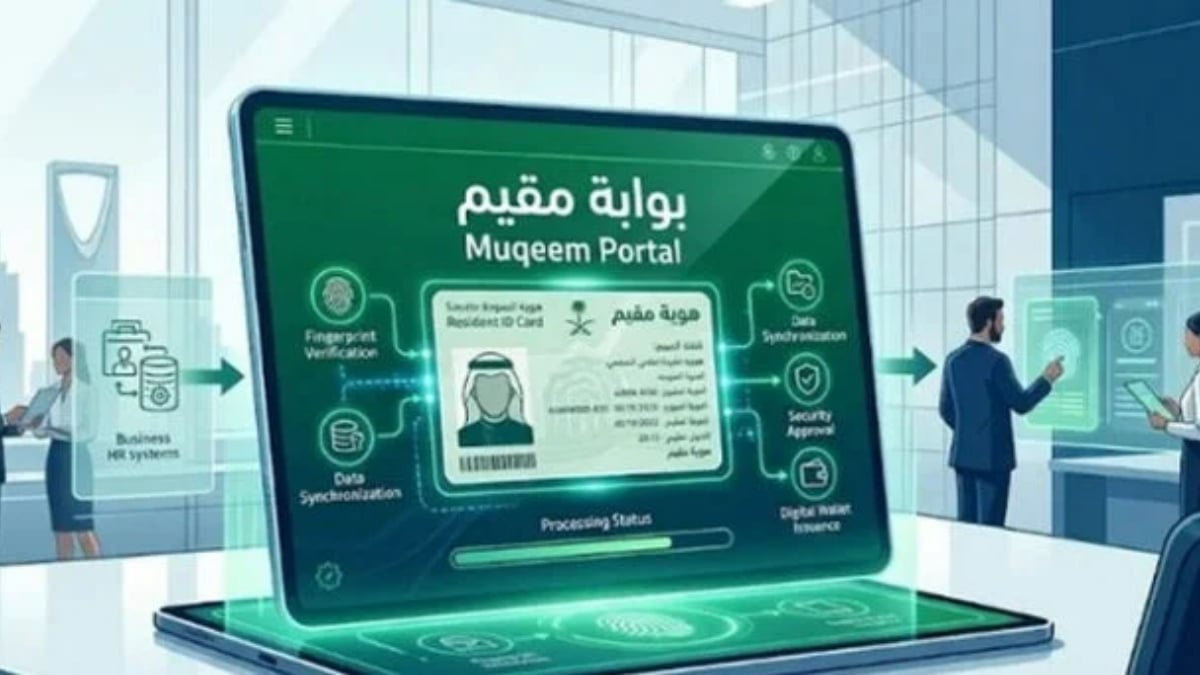
Saudi Arabia has simplified the process of reporting lost Iqamas for foreign workers by introducing a digital service through the Muqeem portal. This move aims to reduce the time-consuming process of visiting multiple government offices.
Saudi Arabia has made it easier for foreign workers to report lost Iqamas by introducing a digital service through the Muqeem portal. This means that workers can now report lost Iqamas online, without having to visit government offices. It's like having a digital assistant that helps you with important tasks, making life easier and more convenient.
Analysis
A New Era for Expatriate Workers in Saudi Arabia
The recent introduction of a digital service for reporting lost Iqamas through the Muqeem portal marks a significant shift in the way expatriate workers in Saudi Arabia access essential services. This move is part of the government's efforts to streamline procedures and reduce the time-consuming process of visiting multiple government offices.
The Muqeem portal is a digital platform that provides a range of services, including Iqama issuance, renewal, and replacement. With the introduction of this new service, expatriate workers can now report lost Iqamas directly through the portal, eliminating the need to visit government offices.
The process is straightforward and can be completed online. Users must log in to the Muqeem portal, access the applicant's dashboard, and enter the lost Iqama number in the designated field. They should then select 'Jawazat Services' followed by 'Report loss of expat Iqama' and submit the application electronically. Once the report has been filed, the required government procedures will be completed through the system within the prescribed timeframe.
The introduction of this digital service is a welcome development for expatriate workers in Saudi Arabia. It will not only save them time and effort but also provide them with greater convenience and flexibility. As the government continues to invest in digital services, it is likely that we will see further improvements in the way expatriate workers access essential services.
The Benefits of Digital Services
The introduction of digital services like the Muqeem portal has several benefits for expatriate workers in Saudi Arabia. Firstly, it reduces the time and effort required to access essential services. Secondly, it provides greater convenience and flexibility, allowing workers to access services from the comfort of their own homes. Finally, it reduces the risk of errors and discrepancies, ensuring that services are delivered efficiently and effectively.
The Road Ahead
As the government continues to invest in digital services, it is likely that we will see further improvements in the way expatriate workers access essential services. The introduction of the Muqeem portal is a significant step in this direction, and it is likely that we will see further developments in the coming months and years. One potential area for development is the expansion of digital services to other areas of government, such as education and healthcare. This would not only provide greater convenience and flexibility for expatriate workers but also improve the overall quality of services delivered.
Key points
- Saudi Arabia has introduced a digital service for reporting lost Iqamas through the Muqeem portal.
- The service allows expatriate workers to report lost Iqamas online, without having to visit government offices.
- The digital service is part of the government's efforts to streamline procedures and reduce the time-consuming process of visiting multiple government offices.
- The Muqeem portal provides a range of services, including Iqama issuance, renewal, and replacement.
If this development plays out positively, it could lead to further improvements in the way expatriate workers access essential services. The government may expand digital services to other areas, such as education and healthcare, providing greater convenience and flexibility for workers.
However, there are also potential risks associated with this development. For example, if the digital service is not properly implemented, it could lead to errors and discrepancies in the delivery of services. Additionally, if the government does not invest enough in digital services, it could lead to a lack of access to essential services for expatriate workers.