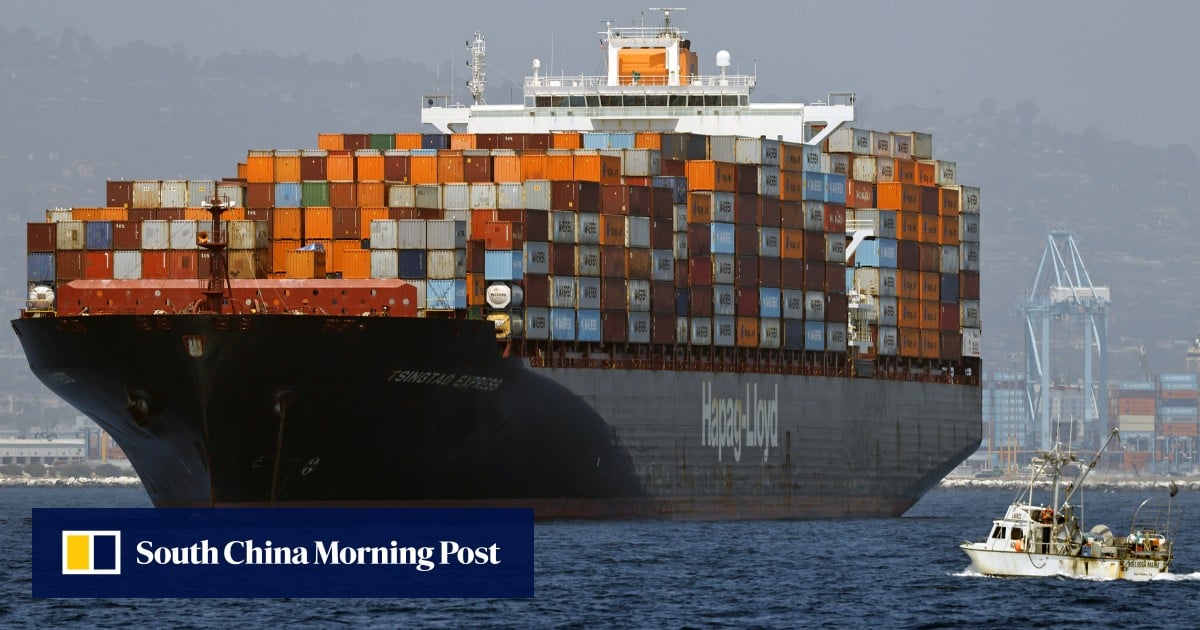
Saudi strikes Houthi sites in Yemen as conflict flares
Saudi Arabia struck Houthi military targets in Hodeida on Friday, in response to attacks on Red Sea shipping. The Iran-backed militants have declared a maritime blockade of the kingdom and attacked its ships.
Intelligence analysis by Llama
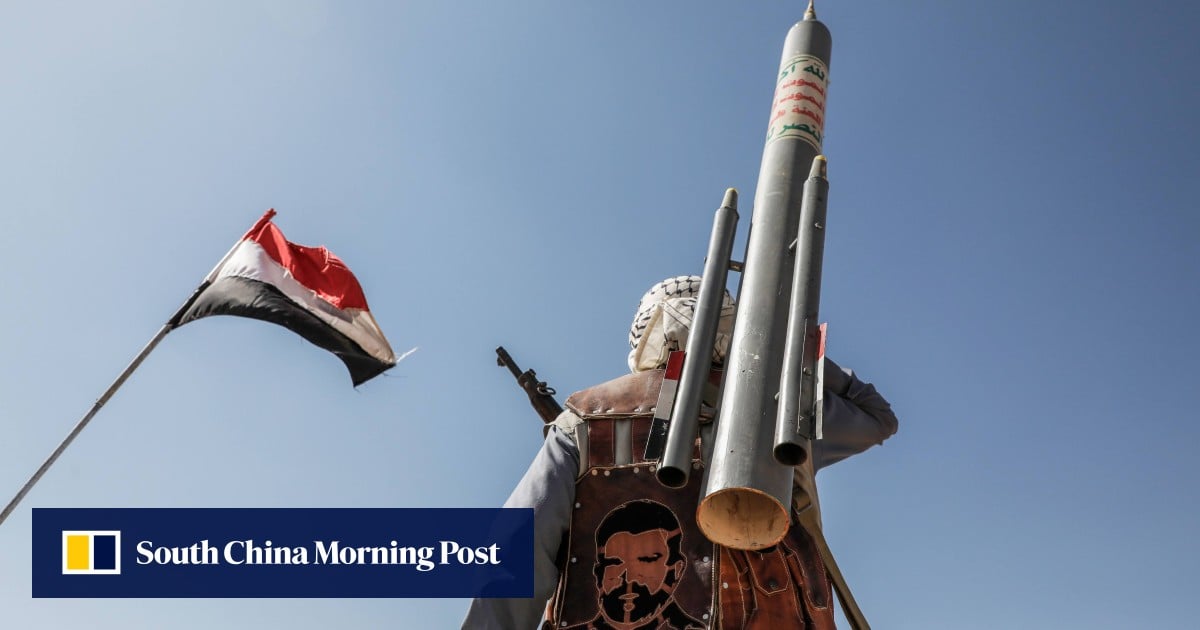
Saudi Arabia's strikes on Houthi sites in Yemen have escalated the conflict, with the Iran-backed militants declaring a maritime blockade of the kingdom and attacking its ships. The Saudi-led coalition has responded by hitting Houthi sites and destroying targets threatening commercial vessels in the Red Sea.
Imagine a big highway that ships use to get oil from one place to another. The Houthi group has blocked this highway, which means that Saudi Arabia can't get its oil to the world. This is a big problem because Saudi Arabia is a big oil producer, and the world needs its oil. The Saudi-led coalition is trying to fix this problem by attacking the Houthi group and destroying their ships.
Analysis
A New Frontline in the US-Iran War
The recent escalation of the conflict in Yemen has significant implications for global oil supplies. The Iran-backed Houthi militants have declared a maritime blockade of Saudi Arabia, threatening the kingdom's ability to export oil through the Red Sea. This move has been met with a strong response from the Saudi-led coalition, which has struck Houthi military targets in Hodeida and destroyed targets threatening commercial vessels in the Red Sea.
Why the Red Sea Matters
The Red Sea is a critical shipping lane for Saudi Arabia, which relies on it to export oil to the world. The Strait of Hormuz, which connects the Red Sea to the Persian Gulf, is the only other maritime route available to the kingdom. Iran's parallel blockade of the Strait of Hormuz has already had a significant impact on global oil supplies, and the Houthi maritime blockade of the Red Sea has the potential to exacerbate the situation.
The Road Ahead
The conflict in Yemen is likely to continue to escalate, with both sides trading fire and attacks. The Saudi-led coalition has made it clear that it will not tolerate any threats to commercial shipping in the Red Sea, and the Houthi militants have vowed to continue their maritime blockade. The implications of this conflict for global oil supplies are significant, and it is likely to have a major impact on the global economy.
Key points
- Saudi Arabia has struck Houthi military targets in Hodeida in response to attacks on Red Sea shipping.
- The Iran-backed Houthi militants have declared a maritime blockade of the kingdom and attacked its ships.
- The Saudi-led coalition has destroyed targets threatening commercial vessels in the Red Sea.
- The conflict in Yemen has significant implications for global oil supplies.
- The Houthi maritime blockade of the Red Sea threatens Saudi Arabia's ability to export oil to the world.
If the conflict in Yemen can be resolved peacefully, it is possible that the Houthi maritime blockade could be lifted, allowing Saudi Arabia to export oil through the Red Sea once again. This would be a positive development for global oil supplies and the global economy.
If the conflict in Yemen continues to escalate, it is possible that the Houthi maritime blockade could become more severe, leading to a significant reduction in global oil supplies. This would have major implications for the global economy and could lead to widespread economic disruption.