Saudi's new national carrier gets off ground despite war, delays
Riyadh Air launched its first flight after delays, as Saudi Arabia pushes to build a global aviation hub despite regional war and tough competition.
Intelligence analysis by GPT-5.4 Mini
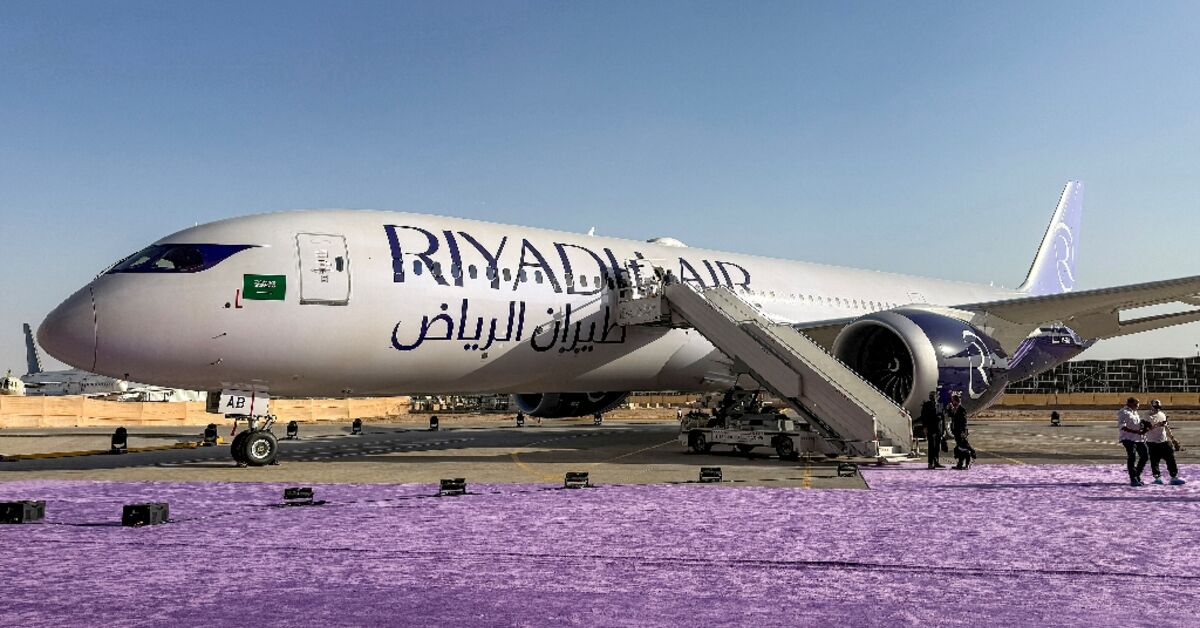
Saudi Arabia has launched Riyadh Air, its second state-owned airline, after more than a year of delays. The carrier is a central piece of Vision 2030 and a bet that Riyadh can compete with Gulf aviation giants even as regional tensions and delivery setbacks continue.
Saudi Arabia started a new airplane company called Riyadh Air, like opening a new bus line for the sky. It was delayed, but now it is flying because the country wants to make Riyadh a bigger travel center and not rely only on oil.
Analysis
Launch after delays
Saudi Arabia launched Riyadh Air, its new state-owned carrier, with a London-bound Boeing 787 Dreamliner taking off from Riyadh at 2:30 a.m. on Wednesday. The airline had originally been expected to start in 2025, but Boeing delivery problems pushed the launch back.
Part of a bigger economic plan
Riyadh Air is a flagship project in Saudi Arabia’s drive to reduce dependence on oil. It is owned by the $900 billion Public Investment Fund and is tied closely to Crown Prince Mohammed bin Salman’s Vision 2030 agenda.
The airline’s leaders want Riyadh to become a major global hub that can compete with Dubai. CEO Tony Douglas said the company wants to bring back “glamour,” “refinement,” and “grace” to flying, and said the launch marked four years of preparation.
Ambition meets a crowded market
Saudi Arabia is also building a new airport in Riyadh designed for 120 million passengers a year by 2030, up from 53 million at the current King Khalid International Airport. The country aims to triple annual air traffic to 330 million passengers by 2030, helped by pilgrimage traffic, the 2030 World Expo, and the 2034 World Cup.
The scale of the plan is large, but the region is already packed with strong competitors including Emirates, Qatar Airways, and Etihad. Even so, Saudi airlines have one key advantage: a domestic market of about 35 million people, the largest in the Gulf.
Key points
- Riyadh Air launched its first flight after more than a year of delays.
- The airline is a state-owned project backed by the Public Investment Fund.
- Saudi Arabia wants Riyadh to compete with Dubai as a global aviation hub.
- The launch comes despite war-related regional uncertainty and Boeing delivery problems.
- Analysts question whether the Gulf market can absorb all of Saudi Arabia's ambitions.
If Riyadh Air grows as planned, it could help turn Riyadh into a major global travel hub. The airline could also support the wider goals of Vision 2030 by creating jobs and increasing passenger traffic through Saudi Arabia.
The airline still faces a crowded market dominated by established Gulf carriers. It also depends on aircraft deliveries, regional stability, and the success of Saudi Arabia’s broader airport and tourism plans.