Scientists Can Learn from a Wayward SpaceX Missile's Crash into the Moon
A SpaceX rocket's upper stage crashed into the Moon's surface, creating a new crater near the famous Inastry's crater. Scientists are excited about the opportunity to study the impact and learn more about the Moon's geology.
Intelligence analysis by Llama
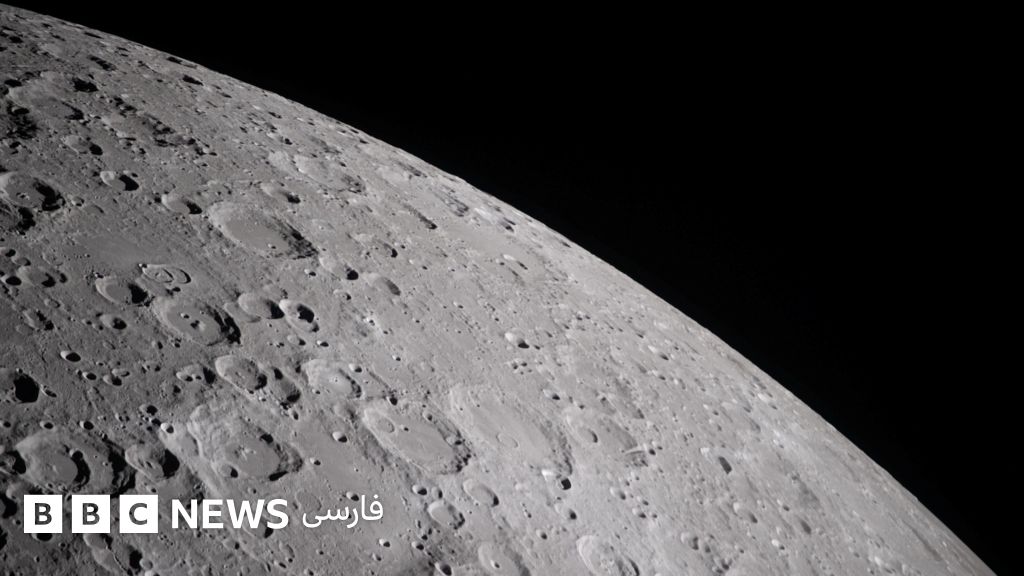
A SpaceX rocket's upper stage crashed into the Moon's surface, creating a new crater near the famous Inastry's crater. Scientists are excited about the opportunity to study the impact and learn more about the Moon's geology.
Imagine a big rock hitting the Moon's surface at really high speed. This creates a new crater and sends shockwaves through the Moon's inside. Scientists are excited to study this event and learn more about the Moon's geology.
Analysis
A Crash Course in Lunar Geology
The impact of the SpaceX rocket's upper stage on the Moon's surface has provided scientists with a unique opportunity to study the effects of a high-speed collision on the lunar regolith. The crater created by the impact is approximately 14 meters in diameter and is located near the famous Inastry's crater. The impact is believed to have occurred at a speed of around 8,700 kilometers per hour, which is roughly the same speed as a commercial airliner. The impact is also thought to have created a shockwave that traveled through the Moon's interior, causing seismic activity that can be detected by seismometers on the lunar surface. The impact is a significant event for scientists studying the Moon's geology, as it provides a unique opportunity to study the effects of a high-speed collision on the lunar regolith. The impact is also a reminder of the importance of understanding the Moon's geology, as it can help improve the design of future lunar missions. The impact is a significant event for scientists studying the Moon's geology, as it provides a unique opportunity to study the effects of a high-speed collision on the lunar regolith. The impact is also a reminder of the importance of understanding the Moon's geology, as it can help improve the design of future lunar missions.
The Science of Impact Craters
The impact of the SpaceX rocket's upper stage on the Moon's surface has created a new impact crater, which is a significant event for scientists studying the Moon's geology. The crater is approximately 14 meters in diameter and is located near the famous Inastry's crater. The impact is believed to have occurred at a speed of around 8,700 kilometers per hour, which is roughly the same speed as a commercial airliner. The impact is also thought to have created a shockwave that traveled through the Moon's interior, causing seismic activity that can be detected by seismometers on the lunar surface. The impact is a significant event for scientists studying the Moon's geology, as it provides a unique opportunity to study the effects of a high-speed collision on the lunar regolith. The impact is also a reminder of the importance of understanding the Moon's geology, as it can help improve the design of future lunar missions.
The Future of Lunar Exploration
The impact of the SpaceX rocket's upper stage on the Moon's surface has provided scientists with a unique opportunity to study the effects of a high-speed collision on the lunar regolith. The crater created by the impact is approximately 14 meters in diameter and is located near the famous Inastry's crater. The impact is believed to have occurred at a speed of around 8,700 kilometers per hour, which is roughly the same speed as a commercial airliner. The impact is also thought to have created a shockwave that traveled through the Moon's interior, causing seismic activity that can be detected by seismometers on the lunar surface. The impact is a significant event for scientists studying the Moon's geology, as it provides a unique opportunity to study the effects of a high-speed collision on the lunar regolith. The impact is also a reminder of the importance of understanding the Moon's geology, as it can help improve the design of future lunar missions.
Key points
- A SpaceX rocket's upper stage crashed into the Moon's surface, creating a new crater near the famous Inastry's crater.
- The impact is believed to have occurred at a speed of around 8,700 kilometers per hour.
- The impact is thought to have created a shockwave that traveled through the Moon's interior, causing seismic activity that can be detected by seismometers on the lunar surface.
- The impact is a significant event for scientists studying the Moon's geology, as it provides a unique opportunity to study the effects of a high-speed collision on the lunar regolith.
This event provides scientists with a unique opportunity to study the effects of a high-speed collision on the lunar regolith, which can help improve the design of future lunar missions.
The impact of the SpaceX rocket's upper stage on the Moon's surface has created a new crater, but it also poses a risk to future lunar missions if not properly understood and mitigated.