Scientists discover 14 new gut bacteria species in Indian tribal communities
Scientists at BRIC–National Centre for Cell Science, Pune, have identified 14 previously unknown bacterial species and nearly 200 local microbial strains while studying the gut microbiomes of India’s tribal communities.
Intelligence analysis by Llama
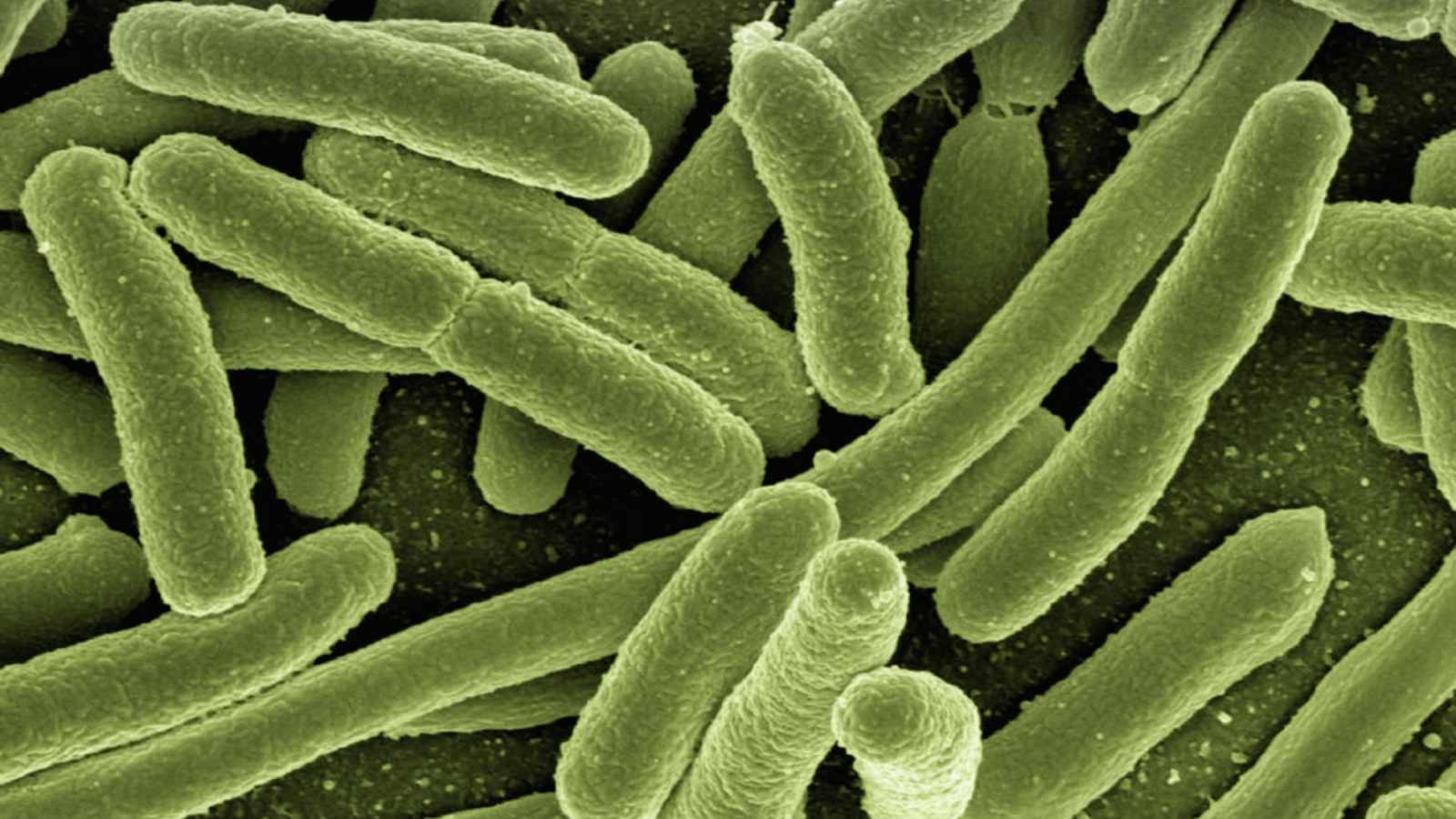
The study highlights how much of India’s microbial diversity remains unexplored and challenges the idea of a universal ‘healthy’ gut microbiome. It shows that the microbes living in our intestines are shaped by where we live, what we eat and the communities we belong to.
The study found that the good bacteria in our tummies are different from person to person and are shaped by where we live, what we eat, and the communities we belong to. This means that what's good for one person might not be good for another. It's like how different people have different favourite foods, and that's okay!
Analysis
A New Frontier in Gut Research
The study analysed gut microbiomes from eight tribal communities across India, including Warli, Gond, Madia, Kabui, Boto, Balti, Brokpa, and Purigpa. The researchers found that the gut microbiome differs from person to person and is influenced by diet, geography, medicines, environment, and cultural practices.
A Healthy Gut is Not One-Size-Fits-All
The study challenges the idea of a universal ‘healthy’ gut microbiome. Instead, it shows that an Indian gut microbiome should not be labelled abnormal simply because it differs from Western reference populations. The researchers say that an India-specific microbiome database could improve future research on nutrition, metabolic diseases, and personalised medicine.
The Importance of Localised Probiotics
The study highlights the need to evaluate probiotics in the context of local populations and dietary habits. The researchers found that the Indian strains of Bifidobacterium adolescentis differed genetically from those found in industrialised countries and carried a distinct set of carbohydrate-processing enzymes, indicating adaptation to local diets.
Key points
- Scientists at BRIC–National Centre for Cell Science, Pune, have identified 14 previously unknown bacterial species and nearly 200 local microbial strains.
- The study highlights the importance of localised probiotics and the need to evaluate them in the context of local populations and dietary habits.
- The findings challenge the idea of a universal ‘healthy’ gut microbiome and raise important questions about relying solely on microbiome reference data developed in Western populations.
The study's findings could lead to the development of probiotics and dietary interventions that are better suited to Indian populations, improving health outcomes and reducing the risk of metabolic diseases.
The study's findings also raise concerns about the indiscriminate use of imported probiotics, which could lead to ineffective or even harmful health outcomes if not tailored to local populations and dietary habits.