SCO Media and Think Tank Summit calls for broader cooperation
The 2026 Shanghai Cooperation Organization (SCO) Media and Think Tank Summit opened in Bishkek, Kyrgyzstan, with representatives from mainstream media organizations, leading think tanks, government departments, and the SCO Secretariat across SCO countries. The summit aims…
Intelligence analysis by Llama

The SCO Media and Think Tank Summit, themed 'The Shanghai Spirit in the New Era: From Shared Values to Practical Cooperation,' has opened in Bishkek, Kyrgyzstan, with a focus on deepening exchanges and cooperation between media organizations and think tanks under the SCO framework.
Imagine a big meeting of people from different countries who work in media and think tanks. They're all there to talk about how to work together better and share ideas to help their countries be friends and work together.
Analysis
A Platform for New Ideas and Initiatives
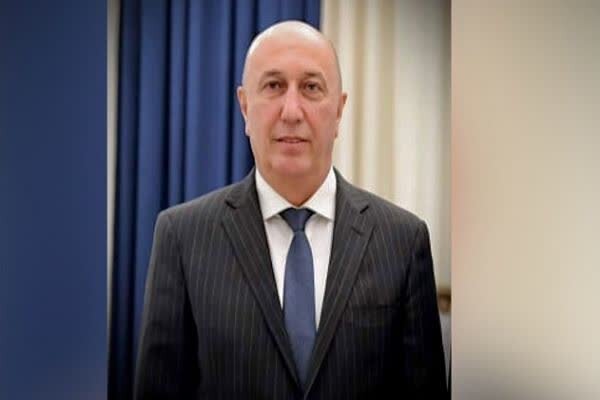
The 2026 Shanghai Cooperation Organization (SCO) Media and Think Tank Summit, themed 'The Shanghai Spirit in the New Era: From Shared Values to Practical Cooperation,' has opened in Bishkek, Kyrgyzstan. The summit gathers about 260 representatives from nearly 150 mainstream media organizations, leading think tanks, government departments, and the SCO Secretariat across SCO countries. Daiyrbek Orunbekov, head of the Information Policy Service of the Presidential Administration of Kyrgyzstan, emphasized the importance of coordination between media organizations and think tanks in guiding public opinion and safeguarding trust and security among countries in today's world. He expressed confidence that the summit would serve as a platform for generating new ideas and initiatives and contribute to strengthening information security within the SCO, deepening academic cooperation, and building bridges of friendship.
Building Bridges of Friendship
Xi Yanchun, vice president of Xinhua News Agency, highlighted the role of media organizations and think tanks in serving as bridges and links between SCO member states. She called on them to seek common ground while respecting differences and promote solidarity and mutual trust; pursue mutual benefit and drive development and revitalization; uphold openness and inclusiveness and build bridges for people-to-people exchanges; uphold fairness and justice and advocate multilateralism; and remain practical and efficient while taking the lead in action-oriented cooperation.
Deepening Intellectual, Information, and People-to-People Cooperation
Mederbek Shermetaliev, director of the Kabar News Agency of Kyrgyzstan, emphasized the importance of digital technologies in facilitating information exchange, but also highlighted the risks of disinformation and cybersecurity threats. He called on SCO member states to jointly establish regular dialogue mechanisms among think tanks, conduct joint research, cultivate young experts, promote in-depth exchanges among media professionals, and continuously deepen intellectual, information, and people-to-people cooperation.
A New Era of Cooperation
Liu Jiangping, Chinese ambassador to Kyrgyzstan, noted that media organizations and think tanks are not only chroniclers of the times but also advocates of cooperation. He emphasized the need for cooperation between them to put the Shanghai Spirit into practice and promote regional connectivity, sustainable, and stable development through deeper think tank exchanges.
Key points
- The 2026 SCO Media and Think Tank Summit has opened in Bishkek, Kyrgyzstan.
- The summit aims to deepen exchanges and cooperation between media organizations and think tanks under the SCO framework.
- Representatives from mainstream media organizations, leading think tanks, government departments, and the SCO Secretariat across SCO countries are attending the summit.
- The summit's outcome is expected to contribute to strengthening information security within the SCO, deepening academic cooperation, and building bridges of friendship among SCO member states.
The summit's outcome is expected to contribute to strengthening information security within the SCO, deepening academic cooperation, and building bridges of friendship among SCO member states. This could lead to increased cooperation and mutual understanding among the participating countries, ultimately benefiting regional stability and development.
However, the summit's success is not guaranteed, and potential challenges, such as disagreements among participating countries or difficulties in implementing the agreed-upon initiatives, could hinder the progress of the SCO's cooperation.