Seattle Is Close To Approving A Year-Long Ban On Large Data Centers
Seattle's city council unanimously approved a one-year moratorium on new large AI data centers. Mayor Katie Wilson is expected to sign it soon.
Intelligence analysis by GPT-5.4 Mini
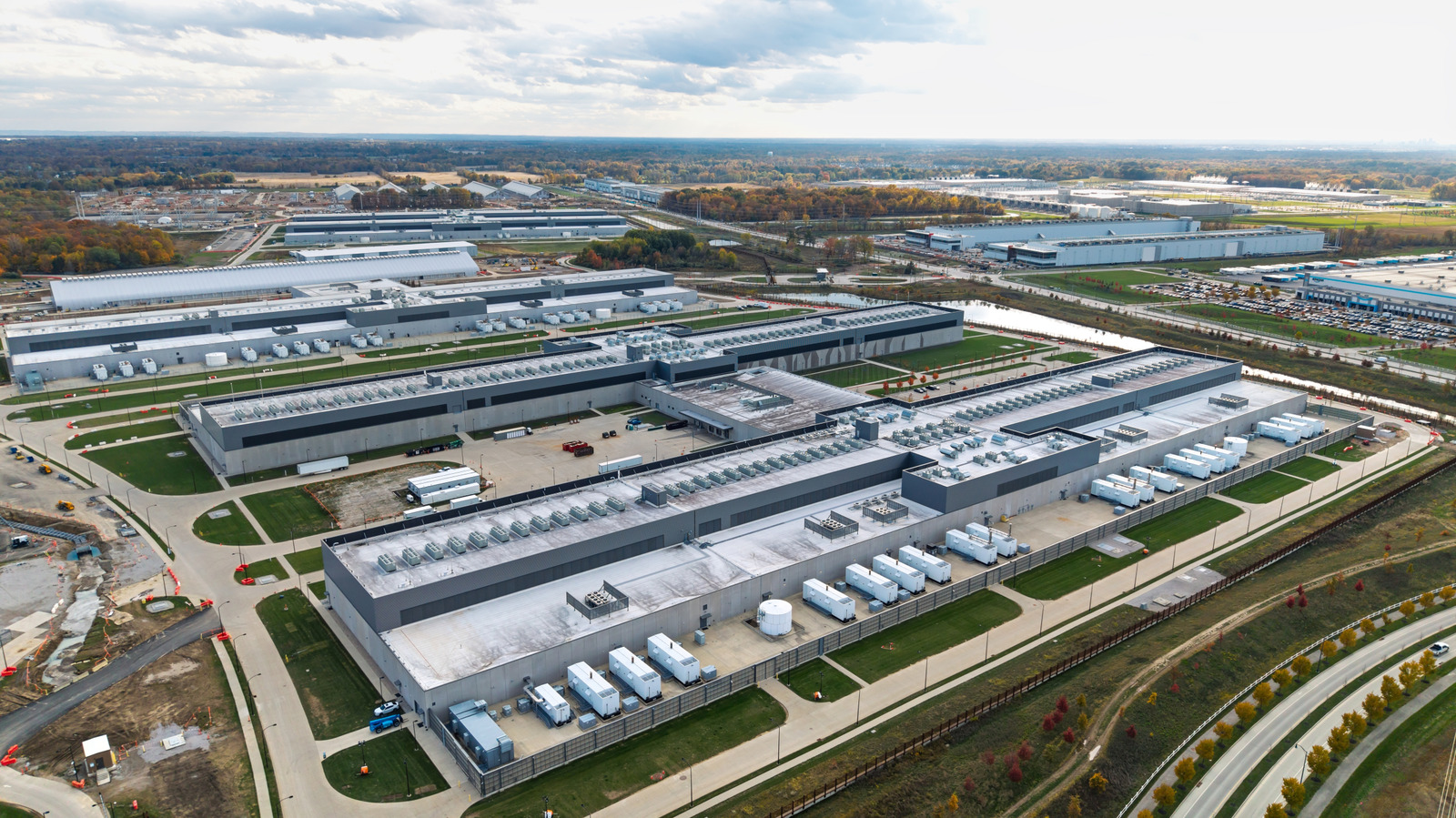
Seattle has moved to pause new large data center construction for a year while it studies the facilities’ effects on power, water, land use, jobs, and public health. The vote responds to concerns about electricity demand, noise, and water use as AI infrastructure grows.
Seattle is putting a pause button on new giant computer warehouses for a year. City leaders want to check whether these places use too much power and water, like asking before letting a huge new factory open next to a neighborhood.
Analysis
What Seattle approved
The Seattle City Council unanimously approved a one-year moratorium on new large data centers. The measure still needs Mayor Katie Wilson’s signature, but the article says she is expected to sign it.
The ban targets facilities that use more than 20 megavolt-amperes of energy, which the article describes as enough to power thousands of homes. The council can extend the moratorium for another six months.
Why the city acted
The move follows concerns that five proposed data center projects could consume up to a third of Seattle’s current electricity demand, according to reporting the article cites from the Seattle Times. Residents also raised worries about water usage and noise pollution.
Seattle’s role in the tech industry makes the vote notable. Microsoft is based in the broader metro area, Amazon is headquartered in the city, and Google and Meta also have offices there. But GeekWire notes that these companies do not actually operate data centers within Seattle, so the moratorium is aimed mostly at developers and providers rather than the giant firms themselves.
What comes next
The council also approved a bill requiring the city to study the impact of AI data centers on electricity and water use, utility rates, land use, local jobs, and public health. One amendment distinguishes traditional data centers from AI hyperscale facilities.
If the mayor signs the bill, Seattle will join cities such as Denver, New Orleans, and Minneapolis in restricting new data center construction, at least temporarily. More than 50 people testified at the latest council meeting, including members of Amazon Employees for Climate Justice, who pushed for renewable energy requirements and labor protections.
Key points
- Seattle’s city council unanimously approved a one-year moratorium on new large AI data centers.
- The ban covers facilities using more than 20 megavolt-amperes of energy and could be extended by six months.
- The city will study effects on electricity, water, land use, local jobs, utility rates, and public health.
- Concerns included potential strain on electricity demand, plus water use and noise pollution.
- The measure is aimed more at developers and providers than at companies like Microsoft, Amazon, Google, or Meta directly.
The pause could give Seattle time to gather clearer facts before allowing more large facilities. If the study leads to stronger rules, the city could protect its power grid, water supply, and neighborhoods while still planning for future tech growth.
The moratorium could slow projects without creating a long-term plan, which would leave developers and utilities uncertain. If demand keeps rising, Seattle may still face pressure over electricity, water use, and land use once the pause ends.