Senate approves bill to fund government into December, but House support remains uncertain
The Senate approved a continuing resolution to keep the government funded through Dec. 11, but the House has a different approach. The bill now goes to the House, where lawmakers have pursued a different approach.
Intelligence analysis by Llama
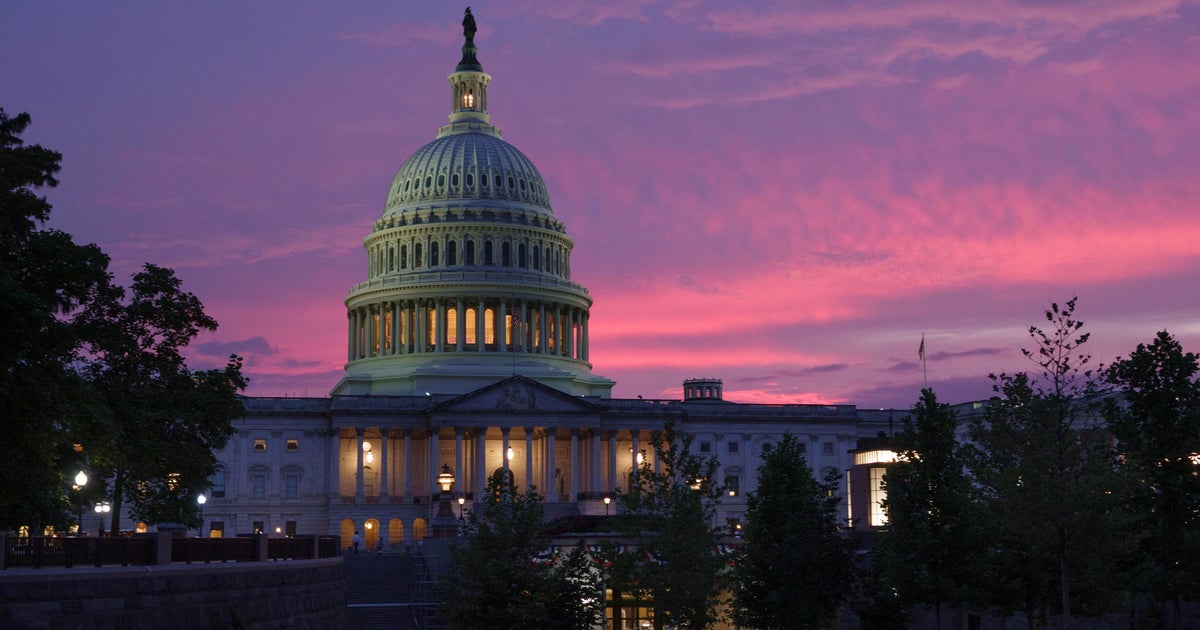
The Senate approved a continuing resolution to fund the government into December, but the House has a different approach. The bill now goes to the House, where lawmakers have pursued a different approach.
Imagine the government is like a big household, and it needs money to keep running. The Senate just approved a plan to keep the government funded until December, but the House of Representatives has a different plan. This could cause a problem because the two groups can't agree on what to do. It's like when you and your sibling can't agree on what game to play, and it causes a big argument.
Analysis
Senate Approval of Continuing Resolution
The Senate's approval of the continuing resolution is a significant step in avoiding a government shutdown ahead of the midterm elections this fall. The bill, which would keep the government funded at current levels with some exceptions for six weeks beyond the Sept. 30 end of the fiscal year, was passed with a 90 to 6 vote. This bipartisan approach acknowledges the need for support across the aisle and demonstrates a willingness to work together to avoid a shutdown.
House Approach Remains Uncertain
However, the House's approach remains uncertain, and the bill's passage is far from guaranteed. The House has pursued a different continuing resolution that would also fund the government into December, but this bill was passed with widespread opposition from Democrats. The GOP-led bill was passed with a 218 to 206 vote, but it is unclear whether it will gain traction in the Senate.
Implications of the Bill
The bill includes language to temporarily prevent political appointees in the administration from implementing a proposed rule about federal grants. Democrats have warned that the rule will allow the administration to cancel grants and 'take even more federal funding hostage,' and have sought to permanently ban the rule. However, even the temporary ban could cause the measure to lose support among Republicans. If House Speaker Mike Johnson moves forward with the Senate bill, it could pick up support from Democrats to propel it to passage. But whether pressure from members of his own conference pushes him to pursue a different course remains to be seen.
Conclusion
The Senate's approval of the continuing resolution is a crucial step in avoiding a government shutdown ahead of the midterm elections this fall. However, the House's approach remains uncertain, and the bill's passage is far from guaranteed. The implications of the bill are significant, and its passage will have far-reaching consequences for the government and the country.
Key points
- The Senate approved a continuing resolution to keep the government funded through Dec. 11.
- The House has a different approach and has pursued a separate continuing resolution.
- The bill includes language to temporarily prevent political appointees from implementing a proposed rule about federal grants.
- Democrats have warned that the rule will allow the administration to cancel grants and 'take even more federal funding hostage'.
- The bill's passage is far from guaranteed, and the House's approach remains uncertain.
If the Senate bill passes in the House, it could bring stability to the government and avoid a shutdown. This would be a positive development for the country and would allow the government to focus on other important issues.
If the House rejects the Senate bill, it could lead to a government shutdown, which would have negative consequences for the country. This would cause uncertainty and instability, and would make it difficult for the government to function effectively.