Senate Punts Clarity Act Vote to September as Democrats Hold Out
The U.S. Senate has postponed a procedural vote on the Clarity Act, a crypto market structure bill, until September due to Democratic opposition. This delay pushes the vote closer to midterm campaigning.
Intelligence analysis by Gemini 2.5 Flash
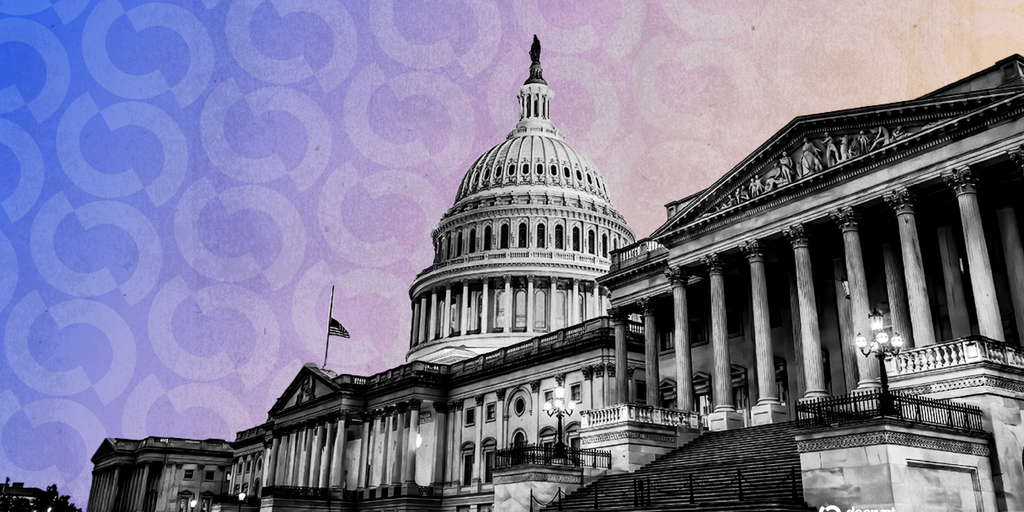
The Senate will not vote on the Clarity Act, a bill aimed at clarifying crypto market regulations, before its August recess. The delay, confirmed by Senate Majority Leader John Thune, is attributed to Democrats' insistence against the vote, pushing the legislative effort into September, just weeks before midterm election campaigns intensify.
Imagine a big rulebook for new digital money, like Bitcoin. Some grown-ups in charge, called the Senate, were supposed to vote on it to make the rules clear. But they couldn't agree, so they decided to wait until after their summer break, pushing the vote to September. It's like delaying a game because not enough players agree on the rules yet.
Analysis
Clarity Act
The Clarity Act is a proposed piece of legislation designed to provide a clearer regulatory framework for the cryptocurrency market in the United States. Its primary objective is to define how various digital assets should be classified, addressing the long-standing ambiguity that has hindered innovation and investment in the crypto space. The bill aims to bring much-needed legal certainty, which proponents argue is essential for the industry's growth and for protecting investors. Without such clarity, businesses and developers face significant challenges in navigating a patchwork of existing laws that were not designed for digital assets.
September Vote
The decision by the U.S. Senate to postpone the procedural vote on the Clarity Act until September marks a significant delay in the legislative process. This deferral, confirmed by Senate Majority Leader John Thune, means the bill will be considered in the weeks leading up to the midterm election campaigning, a period often characterized by heightened political maneuvering and reduced bipartisan cooperation. The delay suggests that securing the necessary 60 votes in the Senate, which would require at least six Democratic crossovers, remains a substantial challenge for the bill's Republican sponsors, including Senator Cynthia Lummis. The political calendar adds pressure, as legislative priorities often shift closer to elections.
Democratic Holdout
The primary reason cited for the delay is the "insistence on no Clarity vote" from Democrats. This opposition highlights the partisan divide on cryptocurrency regulation, with Democrats potentially seeking more comprehensive or different approaches to digital asset oversight. Their reluctance to proceed with a vote suggests a lack of consensus on the bill's current form or its implications. The need for bipartisan support to overcome the 60-vote threshold underscores the difficulty of passing significant legislation in a divided Congress, especially on emerging and complex topics like cryptocurrency. The ongoing political stalemate leaves the crypto industry in a state of regulatory limbo, impacting future development and market stability.
Key points
- The U.S. Senate has delayed a procedural vote on the Clarity Act until September.
- The Clarity Act is a bill aimed at establishing a clear regulatory framework for the crypto market.
- The delay is due to Democrats' "insistence on no Clarity vote," according to Senate Majority Leader John Thune.
- Republicans need roughly six Democratic votes to clear the 60-vote threshold for the bill to advance.
- If passed by the Senate, the bill would still need to go through the House before reaching the President's desk.
The delay to September could provide additional time for bipartisan negotiations, potentially leading to a more refined bill that garners broader support. If a consensus is reached, the Clarity Act could eventually pass, establishing a much-needed regulatory framework that fosters innovation and provides certainty for the crypto industry.
The postponement risks the bill getting lost in the political shuffle as midterm campaigning intensifies, potentially leading to its failure to pass this session. Continued Democratic opposition could prevent the bill from reaching the 60-vote threshold, prolonging regulatory uncertainty for the crypto market and hindering its growth.