Senior Russian banker fired after scathing speech on wartime economy
VEB's chief economist Andrei Klepach was fired after warning that Russia was falling behind China, the US and Ukraine, and that Moscow would not win a prolonged economic war.
Intelligence analysis by Llama
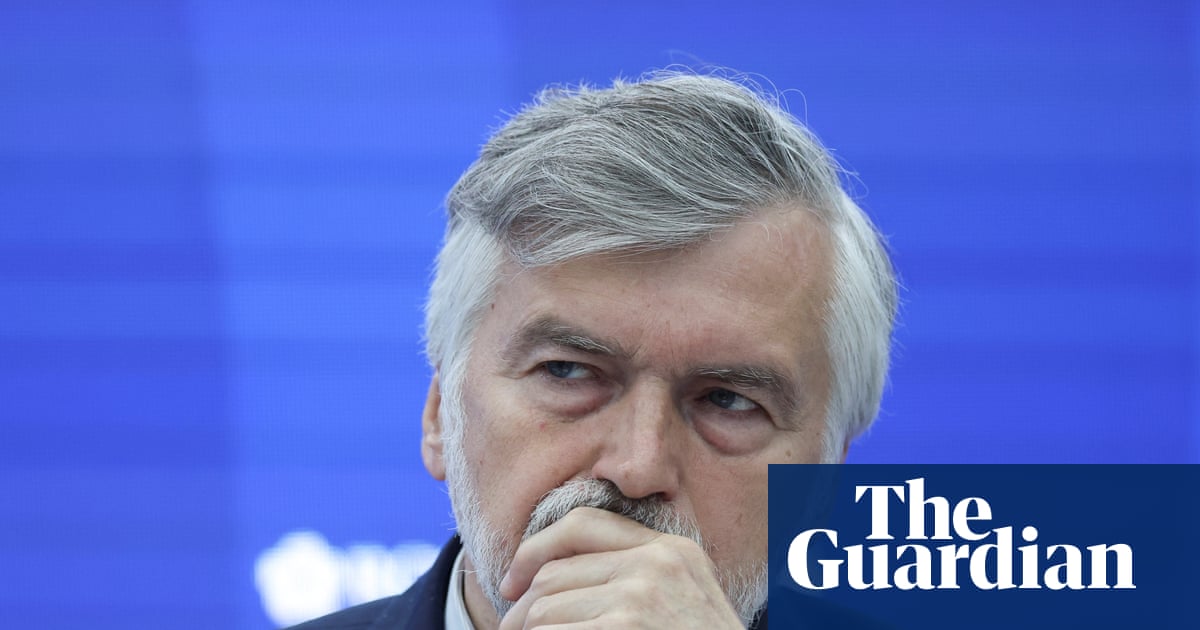
VEB's chief economist Andrei Klepach was dismissed after warning that Russia was falling behind China, the US and 'in some respects' Ukraine, and that a prolonged war would not deliver victory. His ouster underscores the Kremlin's intolerance for dissent even as Russia's budget deficit balloons.
A top Russian bank economist got fired for saying out loud that Russia's economy was struggling and that the country might not win its long fight with Ukraine. It's like a school monitor being told off for telling the truth about a failing test score. The truth doesn't change, but the person who says it sometimes gets punished.
Analysis
Andrei Klepach's exit
VEB's chief economist since 2014, Andrei Klepach was dismissed days after a scathing May speech surfaced in which he argued Russia was losing ground to China, the United States and even Ukraine economically. VEB offered no explanation; the Bell reported, citing sources, that the firing came on Kremlin orders. An acquaintance told the business outlet Vedomosti that the departure stemmed from "harsh assessments of the country's economic and political development, which cannot possibly align with the corporation's position." Alexandra Prokopenko, a former adviser to the Russian central bank and fellow at the Carnegie Russia Eurasia Center, described Klepach as "one of Russia's best macroeconomists" whose forecasts were "based on assessments of reality rather than a desire to please anyone."
5.87tn-rouble deficit
The economic picture Klepach was describing is hard to dispute on the public numbers. Russia's federal budget deficit hit 5.87tn roubles ($81bn) in just the first four months of 2026, far exceeding the 3.79tn-rouble target the government had set for the entire year. Massive wartime expenditure, western sanctions and Ukraine's intensifying strikes on Russian oil and gas infrastructure are squeezing revenue and forcing the Kremlin to extract more from smaller businesses and oligarchs. Some of Putin's closest advisers have privately warned that current wartime spending levels are unsustainable, though Putin has given no public sign of pulling back.
Vladimir Putin's narrowing circle
Klepach's dismissal fits a pattern of tightening ideological discipline inside Russia's elite. The article notes Putin has increasingly surrounded himself with officials reluctant to challenge his views, and that his public claim — that Ukraine's economic exhaustion is "only a matter of time" — is now contradicted by any honest reading of the data. Ukrainian drone strikes on Wildberries warehouses have already destroyed billions of dollars in stock, exposing the limits of Russia's logistical resilience. With oil revenues temporarily cushioning the strain from the US war in Iran, Moscow has fiscal oxygen for now, but the cost of insulating decision-making from reality tends to compound, not dissipate.
Key points
- Andrei Klepach, chief economist at Russia's VEB development bank since 2014, was fired days after his critical May speech was reported
- Klepach warned Russia was 'falling behind' China, the US and 'in some respects' Ukraine, and that a war of attrition would not deliver victory
- VEB gave no reason; the Bell reported, citing sources, that the dismissal came on Kremlin orders
- Russia's budget deficit hit 5.87tn roubles ($81bn) in the first four months of 2026, well above the 3.79tn-rouble annual target
- Some of Putin's closest advisers have privately warned that current wartime spending levels are unsustainable
Oil revenues from the US war in Iran have provided Russia with a fiscal cushion, and the Kremlin has options such as taxing smaller businesses and pressing oligarchs for more. If wartime spending can be scaled back or oil prices remain elevated, the immediate fiscal pressure Klepach warned of could be deferred, and his dismissal, while chilling, does not change the underlying economic data on which policy is supposedly built.
Klepach's warning that Russia's mounting economic pressures would lead to a "social crisis" erupting "when no one particularly expects it" remains in play, with the 5.87tn-rouble deficit running well above the annual target. With dissenting economists purged and the information environment narrowing, the risk of policy miscalculation grows, particularly if oil revenues fall or Ukraine's strikes on energy and logistics intensify. A prolonged war of attrition that Klepach said Russia cannot win would compound the strain.