Serve Robotics launches new business to become the AWS for robots
Serve Robotics is launching a new business line, Physical AI Services, to offer its technology and data tools to other robot developers, aiming to become a foundational platform for the robotics industry.
Intelligence analysis by Gemini 2.5 Flash Lite
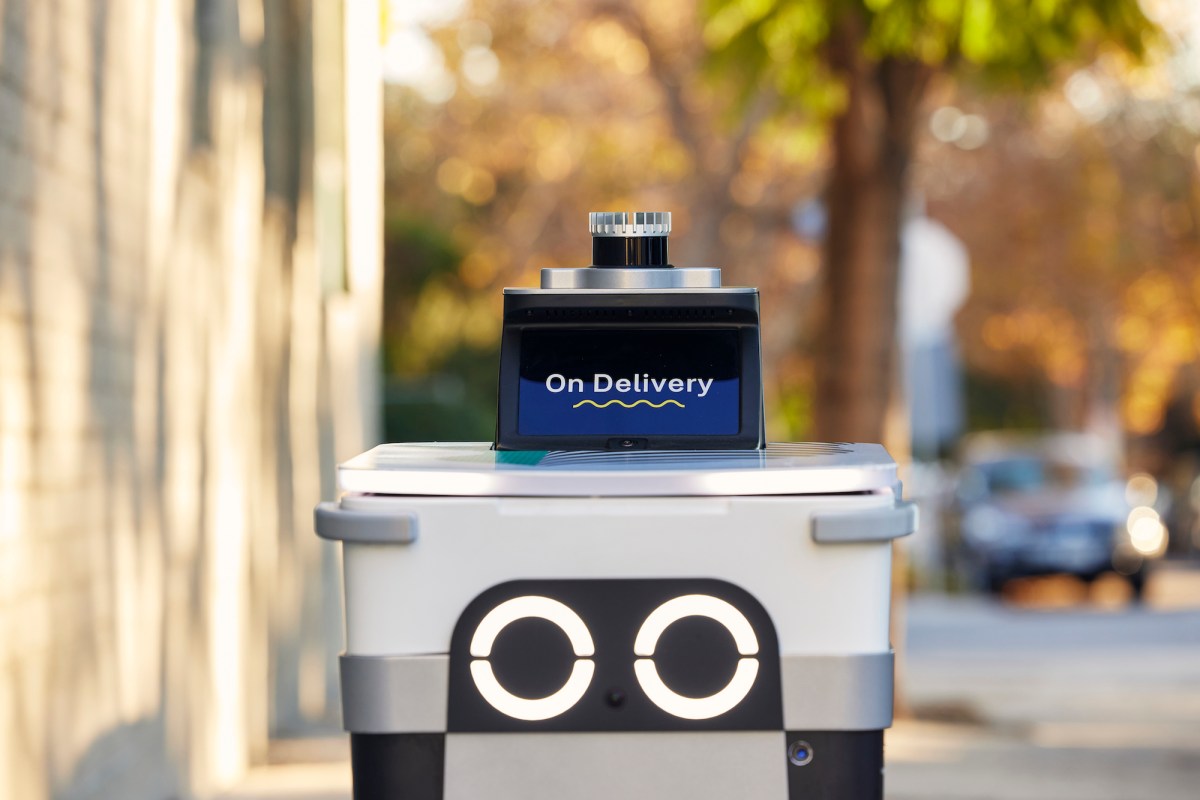
Serve Robotics, known for its sidewalk delivery robots, is pivoting to become a technology supplier for the broader robotics sector. The company's new Physical AI Services division will offer connectivity, data curation, and pre-trained AI models, drawing parallels to Amazon Web Services' role in cloud computing.
Imagine robots are like little helpers that need to learn and talk to a super-smart brain. Serve Robotics is building a special internet for these robots and sharing its best learning tools, like a toolbox and a library of robot experiences, so other companies can easily build their own amazing robots without starting from scratch.
Analysis
Physical AI Services
Serve Robotics is strategically expanding its business model beyond its own fleet of autonomous delivery robots to offer its proprietary technology as a service to other companies. This new venture, dubbed Physical AI Services, aims to provide the essential infrastructure and tools that robot developers need to build and deploy their own autonomous systems. The company's CEO, Ali Kashani, explicitly draws a parallel to Amazon Web Services (AWS), envisioning Serve Robotics as the foundational cloud provider for the burgeoning robotics ecosystem. This ambition suggests a long-term vision of enabling a wider range of robotic applications across various industries by abstracting away complex underlying technologies.
Serve Link
The core offering of Physical AI Services includes Serve Link, a solution designed to bridge the gap between robots operating in the physical world and powerful AI systems housed in data centers. This connectivity layer is crucial for robots that require more sophisticated processing power than can be feasibly embedded onboard. Serve Link is engineered to manage potentially unreliable networks, ensuring a high-performance and reliable connection for data transfer and remote intelligence. This capability allows robots to leverage advanced AI models for tasks such as data collection, exception handling, and complex decision-making, without the prohibitive cost and engineering challenges of integrating all that computing power directly into the robot.
Data Curation and Foundation Models
Beyond connectivity, Serve Robotics is also offering tools for data management and AI model training. A data curator tool will assist companies in identifying and extracting critical edge cases from the vast amounts of real-world data collected by robots. These identified edge cases are vital for refining and improving the performance of AI training models. Furthermore, Serve is providing access to a real-world, foundation-model data catalog derived from its own fleet of sidewalk robots. This catalog offers AI models a robust understanding of complex human environments, a critical component for robots operating in public spaces. This approach, inspired by Amazon's strategy of building end-to-end applications to understand market needs before opening up platforms, positions Serve Robotics as a key enabler for the next generation of robotic innovation.
Key points
- Serve Robotics is launching a new business line called Physical AI Services.
- The service aims to provide connectivity, data tools, and AI models to other robot developers.
- The company is positioning itself as the 'AWS for robots,' offering foundational technology.
- Key offerings include Serve Link for robot-AI connectivity and data curation tools.
- A real-world data catalog from Serve's own robots will be available to train AI models.
Serve Robotics' move could democratize advanced robotics technology, enabling a surge of innovation across various sectors by providing essential AI and connectivity infrastructure. This could lead to faster development cycles and more diverse robotic applications entering the market, ultimately improving efficiency and creating new services.
The success of Physical AI Services hinges on Serve Robotics' ability to scale its infrastructure and attract a critical mass of developers. Competition from established cloud providers or other specialized robotics platforms could limit its market penetration, and the complexity of managing diverse robotic systems may present unforeseen technical challenges.


