She returned to her childhood neighbourhood in Chiang Mai to restore a house from her past
Designer Narisa Watananun restored a heritage home in Chiang Mai's Wat Ket neighbourhood, reviving family history and Thai craftsmanship. The house, known as Little House Chiang Mai, was originally a raised, single-storey structure that was later enclosed to create additi…
Intelligence analysis by Llama
Designer Narisa Watananun restored a heritage home in Chiang Mai's Wat Ket neighbourhood, reviving family history and Thai craftsmanship. The house, known as Little House Chiang Mai, was originally a raised, single-storey structure that was later enclosed to create additional living areas. Watananun updated the kitchen and bathroom, removed selected walls to improve the flow, and intr…
Narisa Watananun restored a house in Chiang Mai's Wat Ket neighbourhood. She wanted to keep the house's original character and make it feel cozy and liveable. She used natural materials and soft lighting to make the house feel warm and inviting.
Analysis
A House with a Rich History
Narisa Watananun's family has a long history in Chiang Mai, dating back to her great-grandfather, William Bain, a Scottish teak trader who became the last manager of the Borneo Company's Chiang Mai operations. The company's earlier representatives included Louis Thomas Leonowens, the son of Anna Leonowens, who taught the children of Siamese King Mongkut and whose memoirs later inspired fictional works including the musical The King and I.
Bain married a Mon woman from Chiang Mai and bought the Borneo Company compound in 1935. He raised his family in its teak house, which now forms the historic centrepiece of the 137 Pillars House Chiang Mai hotel. He later moved into another house on the property, where Watananun would grow up decades later.
A House with a Quiet Character
Despite spending most of her life abroad, Watananun returned to Wat Ket every year. More recently, she found another reason to come back after taking ownership of three small houses on the family estate. Her grandfather, Jack Bain, had bought the houses in rural Chiang Mai, dismantled them and reassembled them in Wat Ket before renting them out.
"It's nice to see them taking on a new life because I remember seeing them around when I was a child," said Watananun. Little House Chiang Mai is the first of the three to be restored. Watananun wanted the interiors to feel assembled over time, with pieces that belonged to the house emotionally as much as visually.
A House with a Softness Under Light
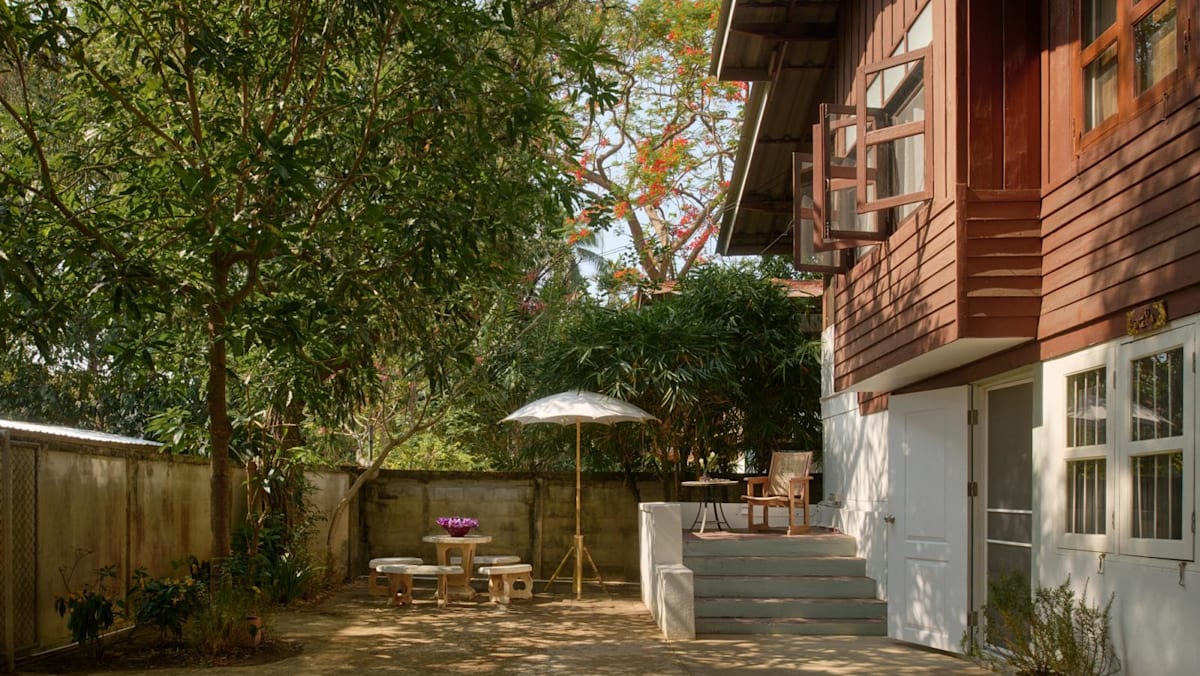
The restoration favoured matte finishes and natural materials, giving the house what Watananun describes as 'a certain softness under light'. The original house was a raised, single-storey structure. Watananun's grandfather later enclosed the space beneath it to create additional living areas. The result was two distinct environments – an intimate, low-ceilinged ground floor opening onto the garden and a loftier upper level.
To brighten the formerly dark lower floor, Watananun removed the ornate wrought-iron grilles and louvres, replaced them with new ones that allowed more natural light to enter. She updated the kitchen and bathroom, removed selected walls to improve the flow, and introduced lighting and furniture that would 'sit naturally in the house'.
Key points
- Designer Narisa Watananun restored a heritage home in Chiang Mai's Wat Ket neighbourhood.
- The house, known as Little House Chiang Mai, was originally a raised, single-storey structure that was later enclosed to create additional living areas.
- Watananun updated the kitchen and bathroom, removed selected walls to improve the flow, and introduced lighting and furniture that would 'sit naturally in the house'.
- The restoration favoured matte finishes and natural materials, giving the house what Watananun describes as 'a certain softness under light'.
- The original house was a raised, single-storey structure. Watananun's grandfather later enclosed the space beneath it to create additional living areas.
The restoration of Little House Chiang Mai is a positive development for the community, as it showcases the importance of preserving cultural heritage and traditional craftsmanship in Thailand. It also highlights the role of designers like Narisa Watananun in reviving and restoring historic buildings.
The restoration of Little House Chiang Mai may face challenges, such as finding the right balance between preserving the house's original character and making it feel modern and liveable. Additionally, the project may be affected by factors such as budget constraints and the availability of skilled craftsmen.