Sindh Announces Rs. 364 Billion Development Budget Prioritizing Infrastructure and Climate Resilience
Sindh has announced a development budget of Rs. 364 billion for 2026-27, focusing on infrastructure, healthcare, and climate resilience. The budget allocates funds to various sectors, including local government, education, and transport.
Intelligence analysis by Llama 3.3 70B
The Sindh government's development budget for 2026-27 prioritizes infrastructure and climate resilience, with a focus on completing ongoing projects and ensuring fiscal sustainability.
The Sindh government has announced a big budget to develop the province's infrastructure and make it more resilient to climate change. This means they will build new roads, hospitals, and schools, and make sure the province is better prepared for natural disasters like floods.
Analysis
Infrastructure Development
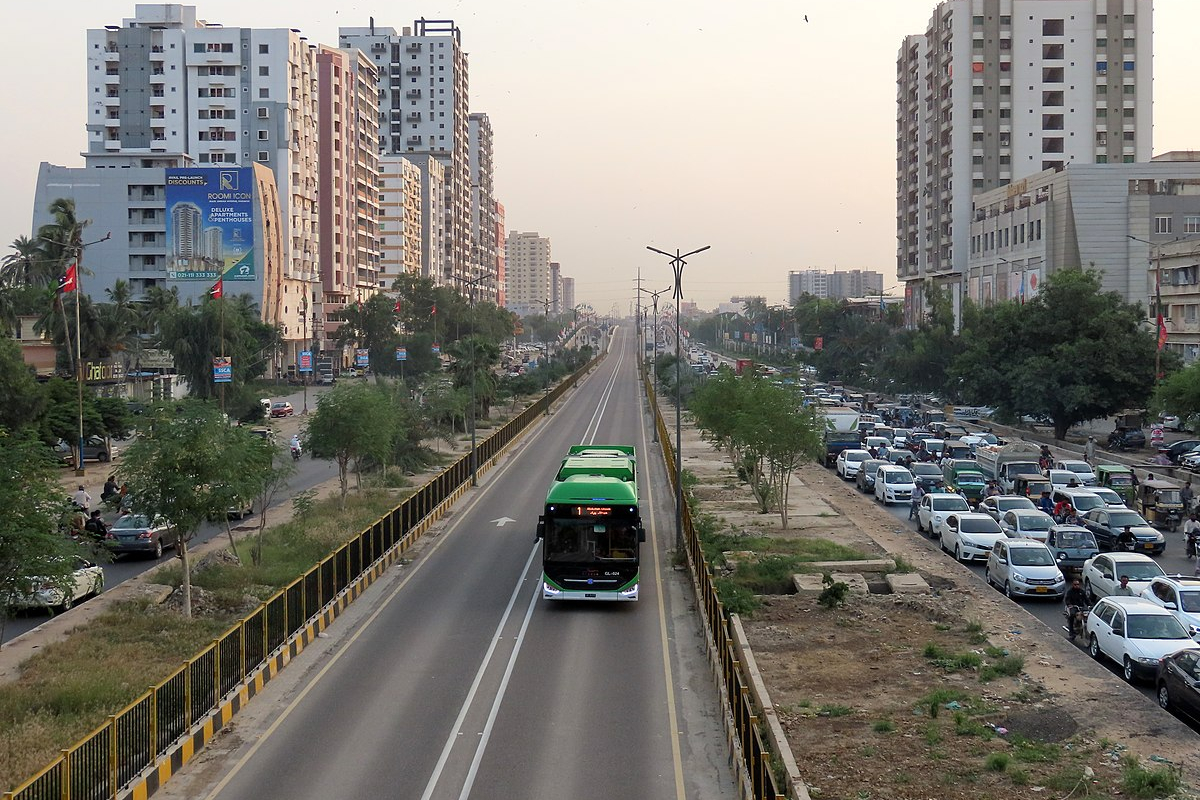
The Sindh government's development budget for 2026-27 allocates a significant amount of funds to infrastructure development, including the construction of a 600-bed hospital at Larkana Phase-I and the up-gradation of Larkana City's drainage system. The budget also includes funds for the construction of a dual carriageway from Qamber to Shahdadkot via Behram and the expansion of more than 100 rural link roads across 23 districts.
The focus on infrastructure development is crucial for Sindh's economic growth and will have a positive impact on the lives of its citizens. The construction of new roads and the up-gradation of existing ones will improve connectivity and facilitate the transportation of goods and people.
The development of infrastructure is also expected to create new job opportunities and stimulate economic activity in the province. The Sindh government's decision to allocate a significant amount of funds to infrastructure development is a step in the right direction and will have long-term benefits for the province.
Climate Resilience
The Sindh government's development budget for 2026-27 also prioritizes climate resilience, with a focus on addressing the province's climate-related challenges. The budget includes funds for the rehabilitation of the Karo Gungro Out-fall Drain System and the restoration of the drainage network in Shaheed Fazil Rahu, Matli, and Tando Muhammad Khan.
The focus on climate resilience is crucial for Sindh, which is vulnerable to climate-related disasters such as floods and droughts. The development of climate-resilient infrastructure will help to mitigate the impact of these disasters and protect the lives and livelihoods of the province's citizens.
The Sindh government's decision to allocate funds to climate resilience is a step in the right direction and will have long-term benefits for the province. The development of climate-resilient infrastructure will also help to reduce the economic costs of climate-related disasters and stimulate economic activity in the province.
Fiscal Sustainability
The Sindh government's development budget for 2026-27 also prioritizes fiscal sustainability, with a focus on ensuring that the province's development projects are financially sustainable. The budget includes funds for the completion of ongoing projects and the implementation of new projects that are financially viable.
The focus on fiscal sustainability is crucial for Sindh, which has faced fiscal challenges in the past. The development of financially sustainable projects will help to reduce the province's fiscal deficit and stimulate economic activity.
The Sindh government's decision to allocate funds to fiscal sustainability is a step in the right direction and will have long-term benefits for the province. The development of financially sustainable projects will also help to reduce the province's reliance on external funding and stimulate economic activity in the province.
Key points
- Rs. 364 billion development budget for 2026-27
- Focus on infrastructure and climate resilience
- Allocation of funds to various sectors, including local government, education, and transport
- Completion of ongoing projects and implementation of new projects
The development budget for 2026-27 has the potential to bring significant benefits to the people of Sindh, including improved infrastructure, better healthcare, and increased economic activity. If implemented effectively, the budget could help to stimulate economic growth and improve the overall quality of life in the province.
However, there are also risks associated with the development budget, including the potential for corruption and mismanagement of funds. If the budget is not implemented effectively, it could lead to wasted resources and failed projects, which would have negative consequences for the people of Sindh.