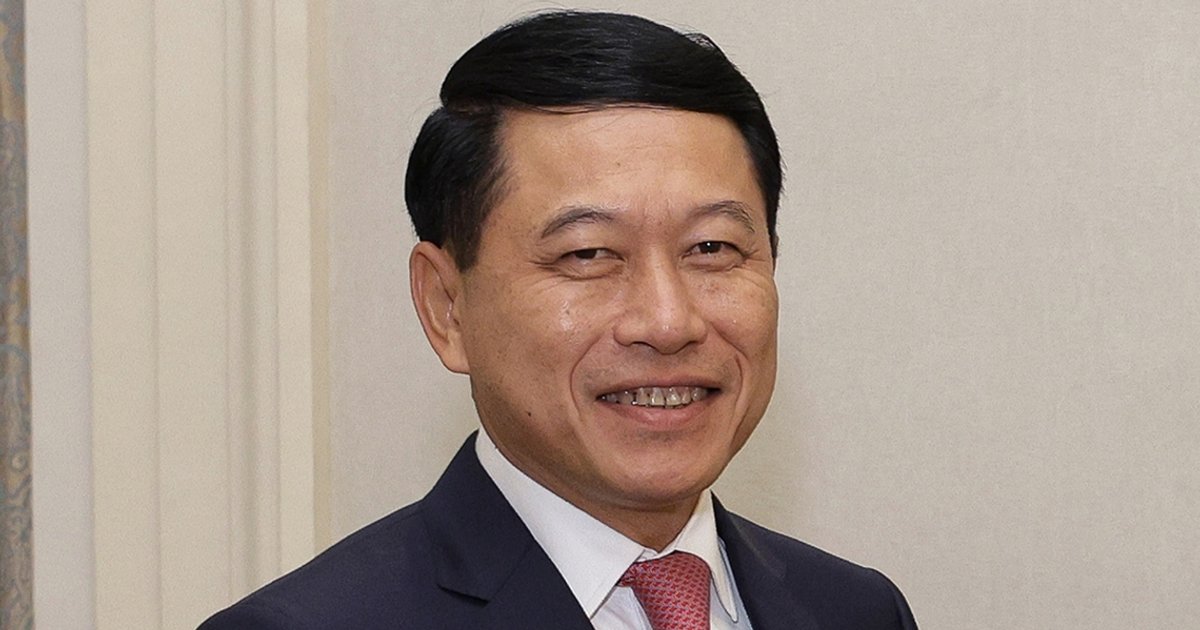
Singapore will have to carefully assess any action aimed at easing US tariff rates: DPM Gan
Deputy Prime Minister Gan Kim Yong stated that Singapore must carefully assess any actions aimed at easing US tariff rates, which currently impact about $9.5 billion of its domestic exports due to allegations of forced labor. The nation is engaging the US and supporting b…
Intelligence analysis by Gemini 2.5 Flash
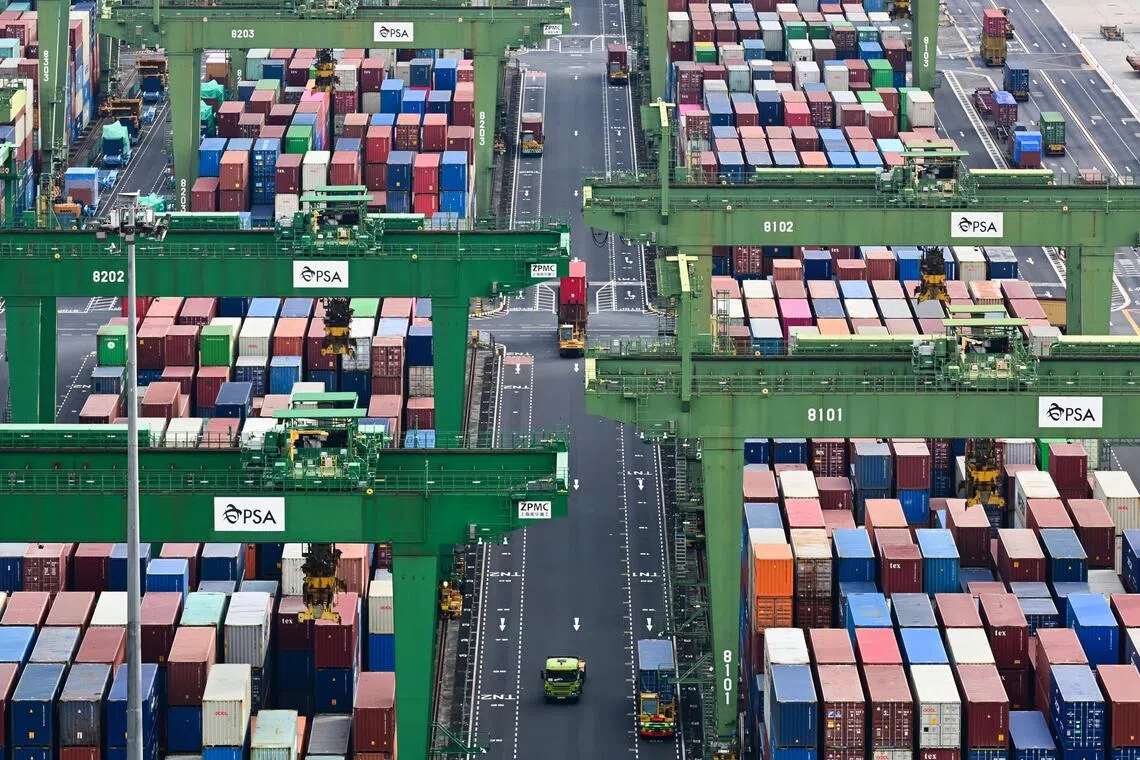
Singapore faces a 12.5% US tariff on a third of its domestic exports, totaling $9.5 billion annually, because it lacks a law prohibiting forced labor imports, despite no evidence of its involvement. DPM Gan Kim Yong emphasized the need for careful assessment of any measures, including a potential Agreement on Reciprocal Trade (ART), due to significant implications for Singapore's exte…
Imagine Singapore is a big shop that sells lots of different toys to America. Now, America has put a special tax, called a tariff, on some of Singapore's toys because they're worried about how some toys might be made, even though Singapore says its toys are fine. Singapore's leaders, like DPM Gan, are trying to figure out how to get rid of this tax without making things complicated for all the other toys they sell to other countries. It's like trying to change one rule in a big game without messing up all the other rules.
Analysis
The imposition of a 12.5 per cent levy on approximately one-third of Singapore's domestic exports to the United States, amounting to an annual value of $9.5 billion, marks a significant development in the bilateral trade relationship. This tariff, enacted on July 24, stems from US allegations of forced labor, despite Singapore's assertion that there is no evidence of its involvement in such trade. The core issue, as identified by Deputy Prime Minister Gan Kim Yong, is Singapore's current lack of a specific law prohibiting the importation of goods produced with forced labor, a legislative gap that has placed it alongside other economies facing similar duties.
DPM Gan Kim Yong
Deputy Prime Minister Gan Kim Yong has articulated a cautious and measured approach to addressing the US tariffs. He emphasized that Singapore will continue to engage the US on lowering these tariffs while simultaneously focusing on helping local businesses and workers adapt to the new trade environment. This dual strategy underscores the government's commitment to protecting its economic interests and supporting its workforce amidst external pressures.
Gan also highlighted the significant implications of any potential import prohibition for Singapore, a major global trading hub with an annual goods and services trade volume of around $2.5 trillion. He warned that businesses could incur substantial compliance costs related to supply-chain due diligence, documentation, and investigations, especially for production occurring outside Singapore's jurisdiction. Furthermore, such measures could adversely affect Singapore's broader trade relationships with other international partners, necessitating a thorough assessment before any definitive course of action is taken.
US Tariff Rates
The 12.5 per cent tariff rate applied to Singaporean exports is a direct consequence of the US stance on forced labor and the absence of a corresponding prohibitive law in Singapore. This situation has prompted Singapore to consider various options, including negotiating an Agreement on Reciprocal Trade (ART) with the US. However, DPM Gan noted that such agreements, based on precedents with other economies, often involve commitments beyond simple import prohibitions, potentially encompassing export controls or restrictions related to third countries.
These wider implications necessitate careful evaluation before Singapore commits to any ART. The government's immediate priority remains to mitigate the impact of higher costs and disruptions in trade flows for businesses and workers. While the initial economic impact has been described as muted, continuous monitoring and adaptive measures are deemed essential to navigate the complexities introduced by these tariffs.
Singapore Economic Resilience Taskforce (SERT)
The Singapore Economic Resilience Taskforce (SERT) plays a pivotal role in the government's strategy to help businesses and workers adjust to the new tariff regime. SERT has been actively collaborating with industry partners and workers to monitor the impact of the tariffs and develop adaptive solutions. This collaborative approach ensures that policy responses are informed by real-world challenges faced by the private sector.
Practical support mechanisms have been implemented, such as the Business Adaptation Grant, launched in October 2025, which assists eligible enterprises in redesigning their operations and strengthening supply chain resilience. Additionally, the current year's Budget has allocated increased grant support under schemes like the Market Readiness Assistance grant, designed to help firms diversify and expand into overseas markets. These initiatives reflect a proactive effort to bolster Singapore's economic robustness and enable its businesses to thrive despite the evolving global trade landscape.
Key points
- About one-third of Singapore's domestic exports to the US, valued at $9.5 billion annually, are now subject to a 12.5% tariff.
- The tariffs were imposed due to US allegations of forced labor, with Singapore lacking a specific law prohibiting such imports.
- DPM Gan Kim Yong emphasized careful assessment of any actions, including a potential Agreement on Reciprocal Trade (ART), due to significant implications for Singapore's trade.
- The Singapore Economic Resilience Taskforce (SERT) is helping businesses and workers adapt through grants and monitoring trade impacts.
- Singapore is actively engaging the Office of the US Trade Representative at political and official levels to address the issue.
Singapore's active engagement with the US and its focus on helping businesses adapt could lead to a resolution that eases tariff rates without compromising its status as a major trading hub. Successful implementation of grants and diversification strategies could strengthen Singaporean businesses, making them more resilient to future trade disruptions and fostering new market opportunities.
If Singapore cannot find a suitable resolution with the US, the tariffs could lead to sustained higher costs for businesses and significant disruptions in trade flows. This might force Singapore to adopt complex import prohibitions or reciprocal trade agreements with wider implications, potentially straining its broader trade relationships and increasing compliance burdens for its extensive supply chains.