Sisi: Egypt faces water challenges as Nile provides over 98% of renewable water resources
President Abdel Fattah al-Sisi highlighted Egypt's severe water challenges, stemming from its heavy reliance on the Nile River for over 98% of its renewable water resources, amidst population growth and climate change impacts.
Intelligence analysis by Gemini 2.5 Flash
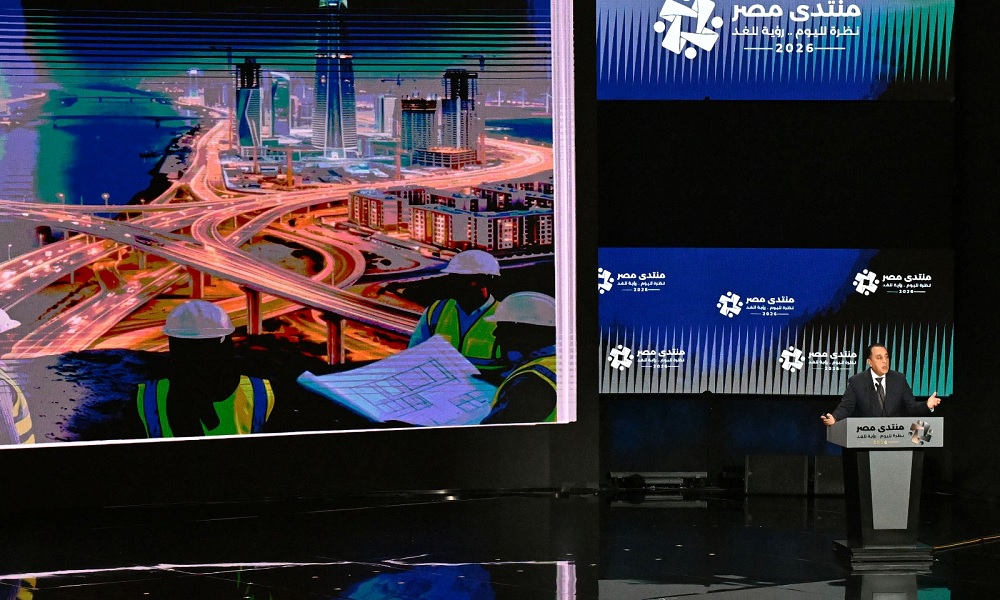
During the Cairo Water Week, President Sisi underscored Egypt's unique water scarcity issues, emphasizing the Nile's critical role as the nation's lifeblood. He called for enhanced international cooperation, technology transfer, and capacity building among Nile Basin countries to manage shared resources responsibly and foster peace and prosperity, rather than conflict.
Imagine if almost all the water your family used for drinking, cooking, and growing food came from just one big river, and that river also flowed through many other families' backyards before it got to yours. That's like Egypt and the Nile River. The President is saying it's super important for everyone who shares the river to talk and work together nicely so there's enough water for everyone, especially as more people need water and the weather changes.
Analysis
President Sisi's address at the Cairo Water Week underscores the profound and multifaceted water challenges confronting Egypt, a nation whose very existence has been inextricably linked to the Nile River for millennia. The country's geographical location, coupled with an escalating population and the pervasive effects of climate change, places immense pressure on its finite water resources. Egypt's reliance on the Nile is not merely significant; it is almost absolute, with the river supplying more than 98 percent of its renewable water. This extreme dependency necessitates a delicate balance between national development aspirations and the imperative of regional cooperation, particularly with other Nile Basin countries.
Nile River
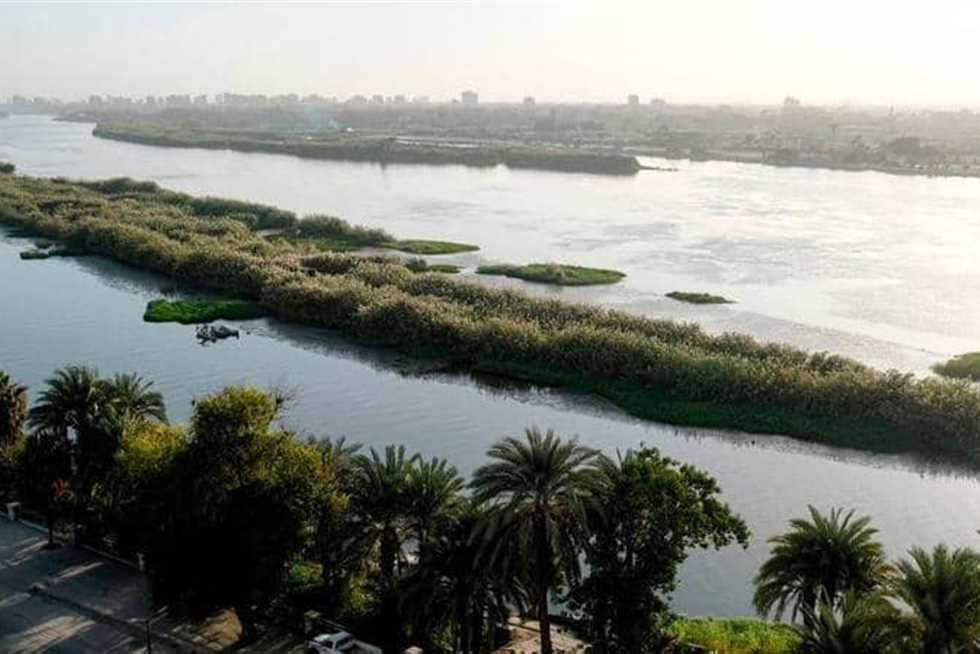
The Nile River has historically been the cradle of Egyptian civilization, serving as the foundation for stability, development, and prosperity. President Sisi articulated this profound connection, describing the Nile not just as a river but as the lifeblood of the country and a vital bridge for communication and cooperation among peoples. This historical and cultural significance amplifies the stakes in any discussions regarding the river's management and allocation of its waters. Egypt's position is firmly rooted in the principle that while all riparian states have a right to development, this right must be exercised responsibly, without causing harm to downstream nations or jeopardizing their water security. The President explicitly rejected the notion that a country housing the headwaters has unilateral control over a shared resource, advocating instead for a cooperative framework based on international law.
Cairo Water Week
The ninth edition of Cairo Water Week serves as a critical international platform for dialogue, expertise exchange, and partnership building, reflecting Egypt's proactive approach to water diplomacy. The theme, 'Water as a Catalyst for Peace, Shared Prosperity and a Sustainable Planet,' encapsulates Egypt's belief in water's potential to foster development and strengthen regional stability. Sisi's participation highlights the high priority water issues hold on Egypt's foreign policy agenda, framing them as drivers of cooperation rather than tools for conflict. The event provides a forum for discussing global water scarcity, drought risks, and the increasing demand for water, food, and energy, emphasizing that water security is a shared responsibility requiring genuine international collaboration, funding mobilization, and technology transfer.
98 Percent
The staggering statistic that the Nile provides over 98 percent of Egypt's renewable water resources illustrates the nation's extreme vulnerability to any changes in the river's flow or management. This overwhelming reliance means that any unilateral actions by upstream countries, particularly regarding large-scale projects like dams, could have catastrophic consequences for Egypt's agricultural sector, economy, and overall societal stability. Sisi's assertion that Egypt will not accept a 'fait accompli' or compromise its water security underscores the gravity of the situation. The country has consistently advocated for cooperation based on international law, consultation, coordination, and good-neighborly relations, stressing the principle of causing no harm. This approach, demonstrated through practical cooperation in the southern Nile Basin, aims to extend to the eastern Nile Basin, involving Sudan and Ethiopia, to ensure shared benefits and safeguard the rights of all nations united by the Nile.
Key points
- Egypt relies on the Nile River for over 98% of its renewable water resources, facing unique challenges due to geography, population growth, and climate change.
- President Sisi emphasized water issues as a top foreign policy priority, advocating for cooperation and shared prosperity over conflict.
- The Cairo Water Week serves as an international platform for dialogue on water security, with a theme focused on water as a catalyst for peace and sustainable development.
- Egypt supports the right to development for all Nile Basin countries but stresses responsible exercise of this right without harming others or jeopardizing water security.
- Sisi reiterated Egypt's commitment to dialogue and international law, rejecting any 'fait accompli' that would compromise its water security.
President Sisi's call for genuine international cooperation, technology transfer, and capacity building among Nile Basin countries could lead to shared development projects and effective water management strategies. Such collaboration, based on mutual respect and international law, has the potential to transform the Nile into a source of shared prosperity and stability for all riparian peoples.
The heavy reliance on the Nile, coupled with population growth and climate change, presents significant risks. If cooperation falters and unilateral actions prevail, it could escalate conflicts over water resources, jeopardize Egypt's water security, and undermine regional stability, leading to increased tensions and potential humanitarian challenges.