Six US states sue Trump administration over deal to kill windfarm project
Six states are suing over a $1bn deal to end offshore wind leases off New York, saying it breaks federal law and threatens jobs and cleaner power.
Intelligence analysis by GPT-5.4 Mini
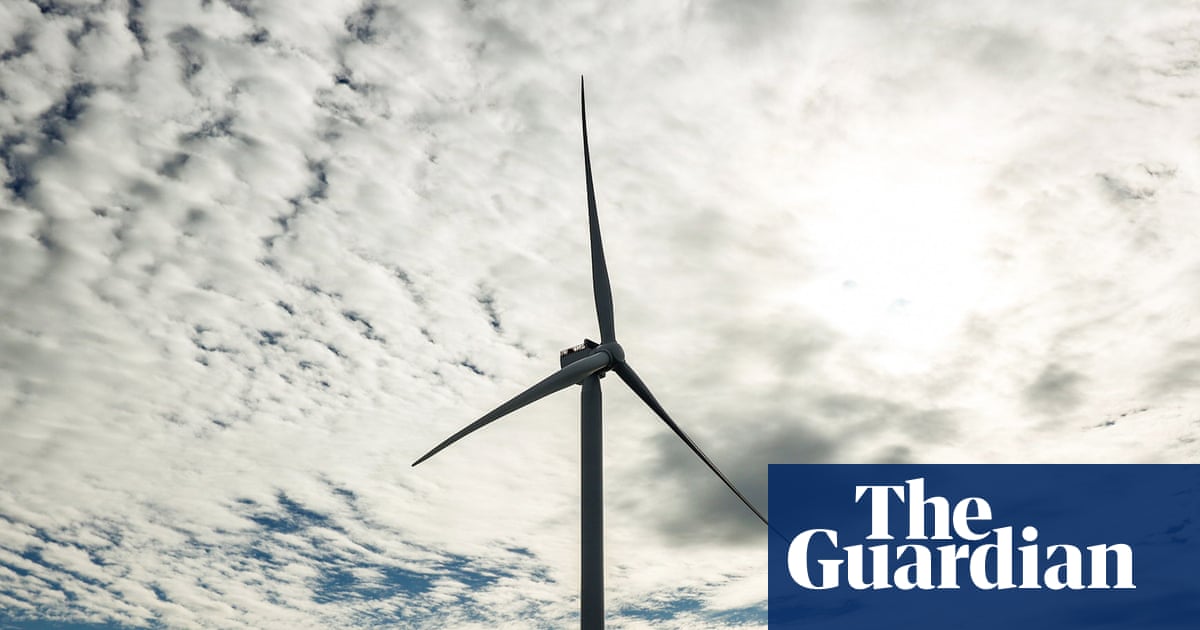
New York and five other states are challenging a Trump administration agreement that would pay TotalEnergies nearly $1bn to abandon offshore wind projects. They argue the deal is unlawful and designed to block clean energy in favor of oil and gas.
A group of states is telling a court that the government paid a company to give up a wind power project, like paying someone to tear up a half-built bridge. They say that is against the rules and could cost jobs and raise power bills.
Analysis
What happened
Six states led by New York have sued the Trump administration over a March agreement with French energy company TotalEnergies. Under that deal, the federal government would pay nearly $1bn in taxpayer money for the company to stop work on two offshore wind projects planned off New York and North Carolina.
The states say the agreement is illegal. Their lawsuit argues that the Interior Department exceeded its authority under the Outer Continental Shelf Lands Act, which limits when offshore wind leases can be canceled. They also say the deal conflicts with the Judgment Fund Act, which governs federal payments tied to judgments, awards and settlements.
Why the states are fighting it
New York attorney general Letitia James says the administration is trying to shut down clean energy projects and erase union jobs. The lawsuit claims the agreement could wipe out more than a thousand jobs and deny residents access to cheaper, cleaner electricity.
The administration had already been losing in court over executive orders and stop-work directives aimed at offshore wind. Federal judges had repeatedly ruled those efforts unlawful or arbitrary, according to the article.
The broader energy fight
Interior Secretary Doug Burgum defended the deal in March as a win for affordable and reliable energy. He called offshore wind expensive, unreliable, environmentally disruptive and subsidy-dependent. TotalEnergies also agreed not to pursue new offshore wind projects in the United States and to invest hundreds of millions of dollars in oil and gas projects instead.
Green groups and offshore wind advocates pushed back, saying removing homegrown power from the mix could leave consumers paying more for electricity. The lawsuit now asks a court to strike down the agreement, stop the lease cancellation and block further implementation.
Key points
- Six states are suing over a Trump administration deal that would pay TotalEnergies to abandon offshore wind projects.
- The states argue the agreement violates federal law, including rules on offshore lease cancellations and settlement payments.
- New York says the deal could erase more than a thousand union jobs and reduce access to clean, affordable electricity.
- The administration says offshore wind is costly and unreliable, and has framed the agreement as a win for affordable energy.
- The lawsuit asks a court to void the deal, halt the lease cancellation and stop further implementation.
If the lawsuit succeeds, the offshore wind lease could survive and the projects could continue toward development. The states say that would protect union jobs and keep another source of cleaner, cheaper electricity in play.
If the deal stands, the wind projects would be canceled and the company would stay out of new offshore wind work in the United States. The article says that could mean lost jobs and fewer clean-energy options for consumers.