SK Hynix Approved $38 Billion of New Memory Fabs That Won't Produce a Chip Before December 2028
SK Hynix approved $38 billion of new memory fabs that won't produce a chip before December 2028. The company's board signed off on 54.3 trillion won of spending, split across two new plants. The timelines are the striking part, with the soonest either plant opens its firs…
Intelligence analysis by Llama
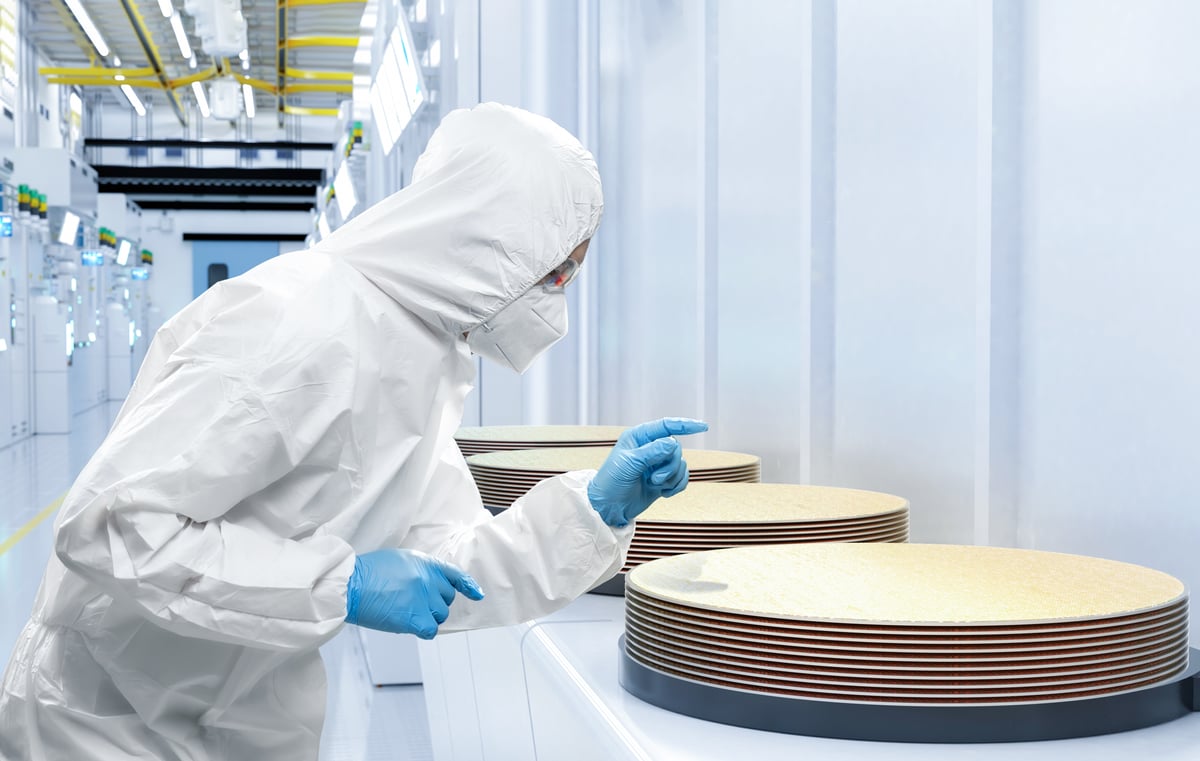
SK Hynix is putting a historic amount of money into new capacity. The company's board signed off on 54.3 trillion won of spending, split across two new plants. The timelines are the striking part, with the soonest either plant opens its first cleanroom in nearly two and a half years.
Imagine you're building a really big house, and you need a lot of special materials to finish it. SK Hynix is like the company that makes those special materials, and they just approved a huge amount of money to build two new factories. These factories will take a long time to finish, and they won't start producing materials until 2028 or 2029. This means that the prices of these special materials might stay high for a while because there won't be enough of them to go around.
Analysis
SK Hynix's Historic Investment in New Capacity
SK Hynix's board has approved a historic amount of money for new memory fabs, with 54.3 trillion won of spending split across two new plants. The company's decision to invest in new capacity is a response to the growing demand for memory, particularly in the artificial intelligence (AI) space. The new fabs will produce high-bandwidth memory (HBM) and next-generation DRAM, which are critical components in AI processors.
The Timelines Are the Striking Part
The timelines for the new fabs are the striking part of the announcement. The M17 facility in Cheongju will break ground in February 2027, with its first cleanroom opening in December 2028. The Y2 fab in Yongin will break ground in July 2027, with its first cleanroom opening in June 2029. The wait between approving capacity and producing from it may be the most important number in the announcement.
The Urgency of the Memory Market
The urgency of the memory market is evident in SK Hynix's second-quarter revenue, which came in at 79.3 trillion won, up 51% from the first quarter and 257% from a year earlier. The company's operating profit reached 60.5 trillion won, good for an operating margin that expanded to 76%. The company also began mass shipments of HBM4, its newest high-bandwidth memory in mass production, during the quarter. Even that wasn't enough to fill orders, with customer demand exceeding the company's supply capabilities.
Key points
- SK Hynix approved $38 billion of new memory fabs that won't produce a chip before December 2028.
- The company's board signed off on 54.3 trillion won of spending, split across two new plants.
- The timelines are the striking part, with the soonest either plant opens its first cleanroom in nearly two and a half years.
- SK Hynix's second-quarter revenue came in at 79.3 trillion won, up 51% from the first quarter and 257% from a year earlier.
- The company's operating profit reached 60.5 trillion won, good for an operating margin that expanded to 76%.
If the new fabs are completed on time, SK Hynix may be able to meet the growing demand for memory, which could lead to lower prices and increased profitability. Additionally, the company's investment in new capacity could position it for long-term success in the AI memory market.
However, the construction schedule for the new fabs suggests that supply may not meet demand until 2029 or later, which could keep prices high for an extended period. This could be a challenge for SK Hynix and other memory manufacturers, and may impact the company's profitability and stock price.