Skhirat Attack, "Aviators' Coup"... The Curse of Azrou
The Azrou College, initially established by the French Protectorate to cultivate a docile Berber elite, unexpectedly became a breeding ground for independence activists and influential figures, some of whom were implicated in the traumatic 1971 and 1972 coup attempts agai…
Intelligence analysis by Gemini 2.5 Flash
This article explores the paradoxical legacy of Azrou College in Morocco, an institution founded by the French Protectorate with the aim of creating a loyal, francophone Berber elite. Instead, it produced a generation of leaders, including generals, ministers, and magistrates, some of whom played central roles in the failed coups of the early 1970s, profoundly impacting modern Morocca…
Imagine a special school built a long time ago by grown-ups from another country. They wanted to teach kids to be loyal helpers for them. But something funny happened: the kids learned so much that they became super smart leaders, and some even tried to change the country's king! This school, called Azrou, ended up being part of big, scary events where people tried to take over the government, which was a huge surprise to everyone.
Analysis
The Azrou College, conceived by the French Protectorate, was intended to be a cornerstone of a "Berber policy" in Morocco. Its primary objective was to forge a compliant Amazigh elite, fluent in French and detached from the burgeoning nationalist movements in cities like Fès and Rabat. This carefully curated group was destined to serve the colonial administration and military, ensuring a loyal cadre within the kingdom's institutions. However, the trajectory of history diverged sharply from this initial design, leading to an unforeseen and complex legacy.
The Azrou College
From its inception, the Azrou College was envisioned as a tool for social engineering, designed to integrate a specific segment of Moroccan society into the colonial framework. The curriculum and environment were crafted to instill loyalty to France and distance students from indigenous nationalist sentiments. Yet, the very education provided at Azrou, intended to create subservience, inadvertently empowered its students with knowledge and critical thinking skills.
This empowerment led to a remarkable transformation, as the college's alumni defied their intended roles. Instead of merely serving colonial interests, they emerged as influential figures across various sectors of independent Morocco. Among its graduates were not only ministers, governors, and magistrates but also thirteen generals, many of whom would play significant roles in the nation's post-independence political and military landscape, some loyal to the monarchy, others becoming its most formidable challengers.
Skhirat and the 1971 Coup
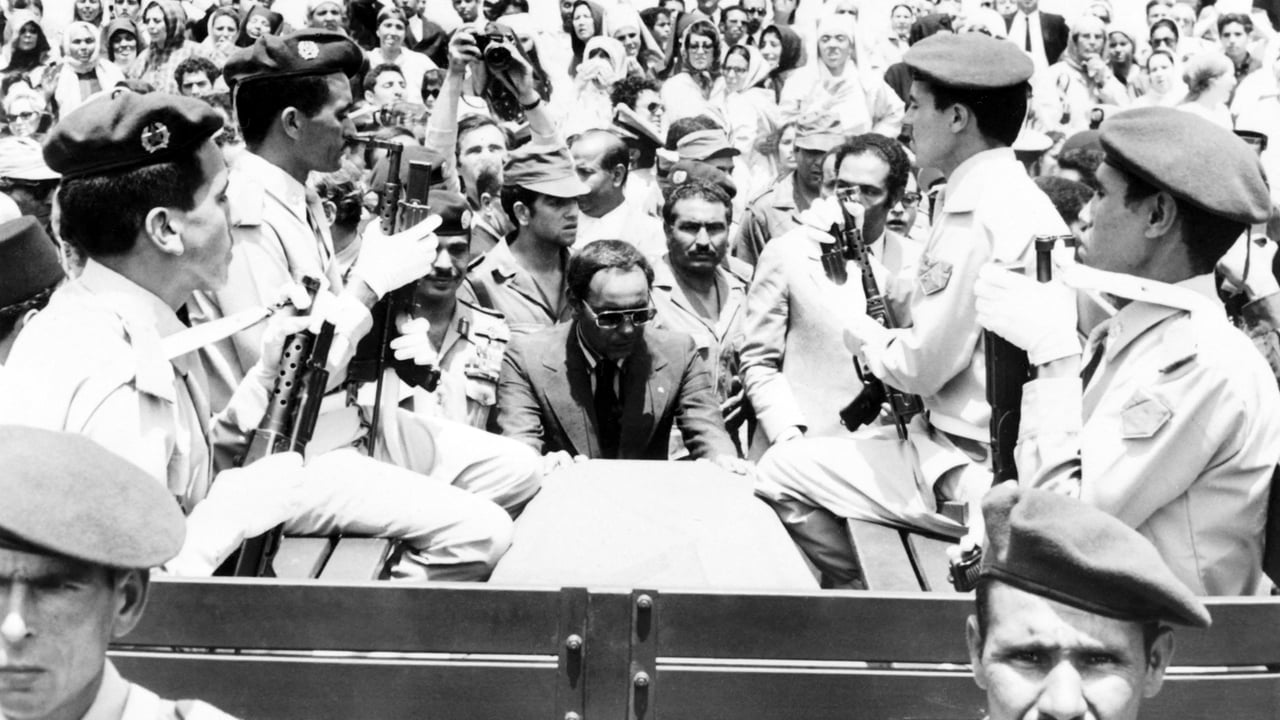
The attempted coup d'état at Skhirat on July 10, 1971, against King Hassan II, represents one of the most traumatic episodes in Morocco's contemporary history. This event, often referred to as the "aviators' coup," plunged the royal palace into chaos and exposed deep fissures within the kingdom's power structures. The article highlights that the influence of Azrou College alumni was pervasive during this crisis.
Remarkably, individuals on both sides of the conflict—among the mutineers who sought to overthrow the monarch and among the loyalists who defended the throne—were products of Azrou. This intricate web of connections underscored the college's profound, albeit often contradictory, impact on the nation's elite. The involvement of its former students in such a pivotal and violent challenge to the monarchy cemented Azrou's controversial reputation for decades, overshadowing its broader contributions to Moroccan society.
Hassan II's Challenges
The coup attempts of 1971 and 1972, in which Azrou alumni were prominently involved, posed an existential threat to the reign of King Hassan II. These events were not merely isolated incidents but represented a profound challenge to the stability and legitimacy of the Moroccan monarchy. The king's ability to navigate and ultimately suppress these insurrections was a defining moment of his rule, shaping the political trajectory of the kingdom for years to come.
The aftermath of these failed coups cast a long shadow over Azrou College, earning it a "sulfurous reputation" that persisted for decades. This perception obscured the more nuanced and complex history of the institution, which had also produced numerous figures who contributed positively to Morocco's development and served its independent governments. The "curse of Azrou" thus became a shorthand for the unexpected and often tragic outcomes of a colonial project that ultimately empowered those it sought to control, leading to direct confrontations with the very power structures it was designed to support.
Key points
- Azrou College was established by the French Protectorate to create a docile, francophone Berber elite for administration and military service.
- Contrary to its original purpose, the college produced independence activists, ministers, governors, magistrates, and thirteen generals.
- Alumni of Azrou College were significantly involved in the 1971 Skhirat coup attempt and the 1972 'aviators' coup against King Hassan II.
- These coup attempts marked a traumatic period in Morocco's contemporary history and challenged the monarchy.
- The college's association with these events led to a 'sulfurous reputation' that overshadowed its complex role in shaping modern Moroccan leadership.
The legacy of Azrou College, marked by its alumni's involvement in the 1971 and 1972 coup attempts, highlights the potential for deep-seated institutional failures and political instability when foundational educational systems are designed with conflicting objectives. This history suggests that even well-intentioned or strategically planned institutions can inadvertently foster dissent and challenge established power structures, leading to traumatic national episodes.