Slaves and Rebels: The First State Born from the Zanj Revolution, These African Workers of the Caliphate
The Zanj revolt, an uprising of East African slaves against the Abbasid Caliphate from 869 to 883, led to the creation of the first slave-founded state in history, predating Haiti by nine centuries.
Intelligence analysis by Gemini 2.5 Flash
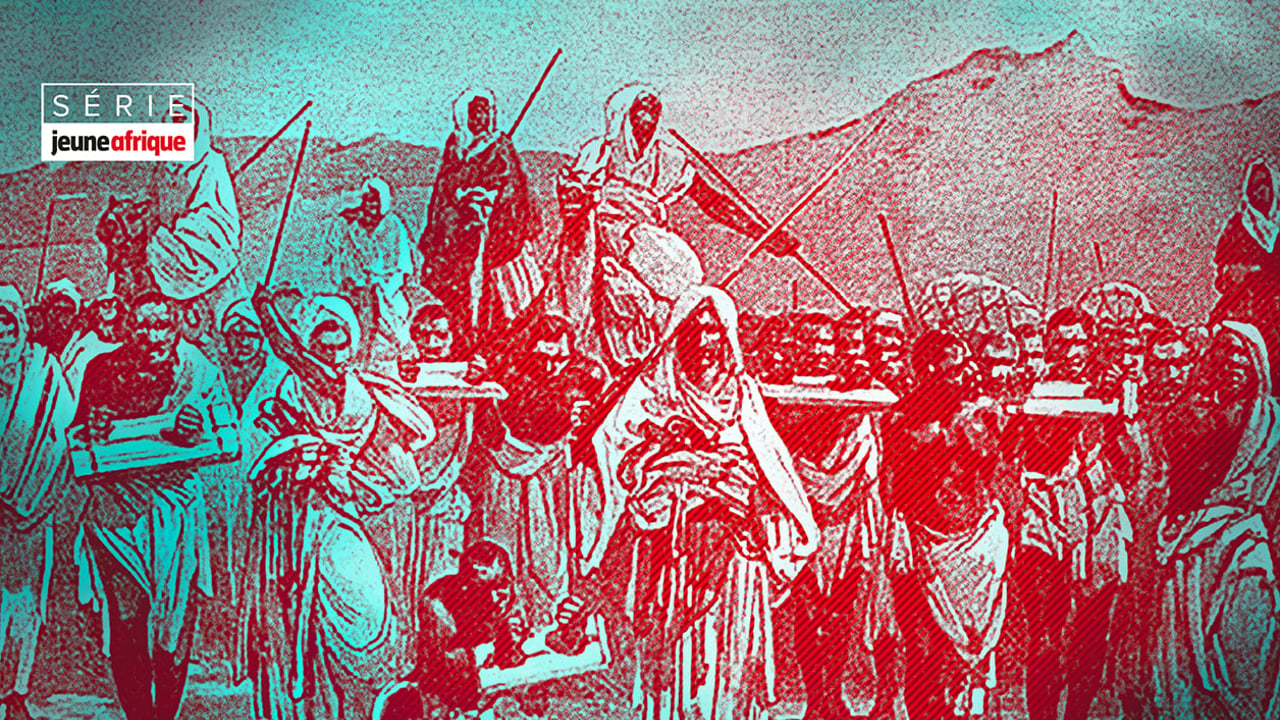
Amidst the political turmoil of the 9th-century Abbasid Caliphate, thousands of East African slaves, known as Zanj, revolted in lower Iraq under the charismatic leadership of Ali Ibn Muhammad. They established an independent state, a unique historical achievement that challenged the prevailing power structures and offered a rare instance of successful slave liberation and self-governa…
Imagine a very long time ago, some people from Africa were forced to work incredibly hard in a faraway land, draining swamps. They were treated very badly, but then a brave leader named Ali told them they could be free and even own land. They fought for 15 years and actually built their own country, which was super rare and amazing, like building a whole new village just for themselves when everyone else said they couldn't!
Analysis
The Abbasid Caliphate's Instability
The 9th century saw the once-mighty Abbasid Caliphate, headquartered in Baghdad, grappling with severe internal strife and weakening central authority. The article details a period of intense political instability, marked by assassinations and power struggles among caliphs and their Turkish guards. Just months before the Zanj revolt began in July 869, Caliph Al-Mutazz was assassinated and replaced by Al-Muhtadi, creating a climate of uncertainty and vulnerability in the capital. This internal disarray within the ruling elite provided a critical window of opportunity for the oppressed to mobilize and challenge the established order.
The caliphs had retreated to a new capital, Samarra, seeking protection from a turbulent populace and an increasingly uncontrollable soldiery in Baghdad. However, the struggles for influence followed them, further eroding the caliphate's ability to maintain control over its vast empire. This political vacuum and the preoccupation of the central government with its own survival were instrumental in allowing the Zanj rebellion to gain traction and establish a foothold in the marshy regions of lower Iraq, a traditional refuge for rebels and outlaws.
The Rise of the Sahib al-Zanj
The Zanj were East African slaves, brought by the thousands to Mesopotamia to perform the most arduous labor, primarily draining marshes and reclaiming arable land for wealthy landowners. Their conditions were dire, marked by misery and exploitation. It was into this environment of profound suffering that Ali Ibn Muhammad, known as the "Sahib al-Zanj" (Master of the Zanj), emerged as a charismatic leader. The historian Tabari, a contemporary, recounts Ali's promises of guidance, command, possessions, and property, along with a solemn oath of benevolence and non-betrayal.
Ali Ibn Muhammad's appeal resonated deeply with the Zanj, who yearned for freedom, dignity, and ownership. His politico-mystical leadership, combined with the collective anger of the oppressed, ignited a formidable resistance movement. The article emphasizes that this confluence of factors led to a "fifteen-year open war" between government forces and Africans determined to defend their liberty, as noted by Caribbean historian Oruno Denis Lara. The Zanj's resilience and their leader's vision transformed a desperate uprising into a sustained struggle for self-determination.
A Precedent for Freedom
The state founded by the Zanj in 869 near Baghdad holds a unique place in human history as the first state created by slaves. As historian Salah Trabelsi highlights, the only other comparable instance is the state of Haiti, established nine centuries later. This historical fact underscores the extraordinary nature of the Zanj achievement, challenging the common perception of slaves as passive victims and demonstrating their capacity for organized resistance and state-building. The article also touches upon the complex relationship between Islamic teachings and the practice of slavery.
While the Quran affirms human equality, forbids enslaving Muslims, and encourages emancipation, the economies of the era, mirroring those of antiquity, heavily relied on slave labor. The Arab-Muslim slave trade, reportedly beginning in 652, supplied the caliphate with captives from various regions, including thousands of Zanj from East Africa (Zanjobar, the land of the Zanj). These Zanj were specifically chosen for their perceived robustness for the most grueling tasks. The Zanj state, despite its eventual fall, stands as a powerful testament to the enduring human desire for freedom and the potential for the oppressed to forge their own destiny, even against overwhelming odds.
Key points
- The Zanj revolt (869-883) led to the creation of the first slave-founded state in history.
- This state, established near Baghdad, predates Haiti's similar achievement by nine centuries.
- The Zanj were East African slaves forced into arduous labor, primarily draining marshes in lower Iraq.
- Ali Ibn Muhammad, known as the "Sahib al-Zanj," led the rebellion, promising freedom, dignity, and property.
- The revolt occurred amidst significant political instability and internal power struggles within the Abbasid Caliphate.
The Zanj revolt serves as a powerful historical testament to the enduring human spirit's capacity for resistance and self-determination, demonstrating that even under extreme oppression, the pursuit of freedom and dignity can lead to the formation of independent polities. This historical precedent offers inspiration for understanding the agency of marginalized groups throughout history.
The article implicitly highlights the brutal realities of slavery and the immense challenges faced by those seeking liberation, as the Zanj state ultimately fell after 15 years of intense conflict. It underscores the fragility of such movements against established powers and the high cost of freedom.