Slovenia's parliament approves Jansa's centre-right government
Slovenia approved Janez Jansa's centre-right cabinet, which promises tax cuts, targeted spending and an anti-corruption push.
Intelligence analysis by GPT-5.4 Mini
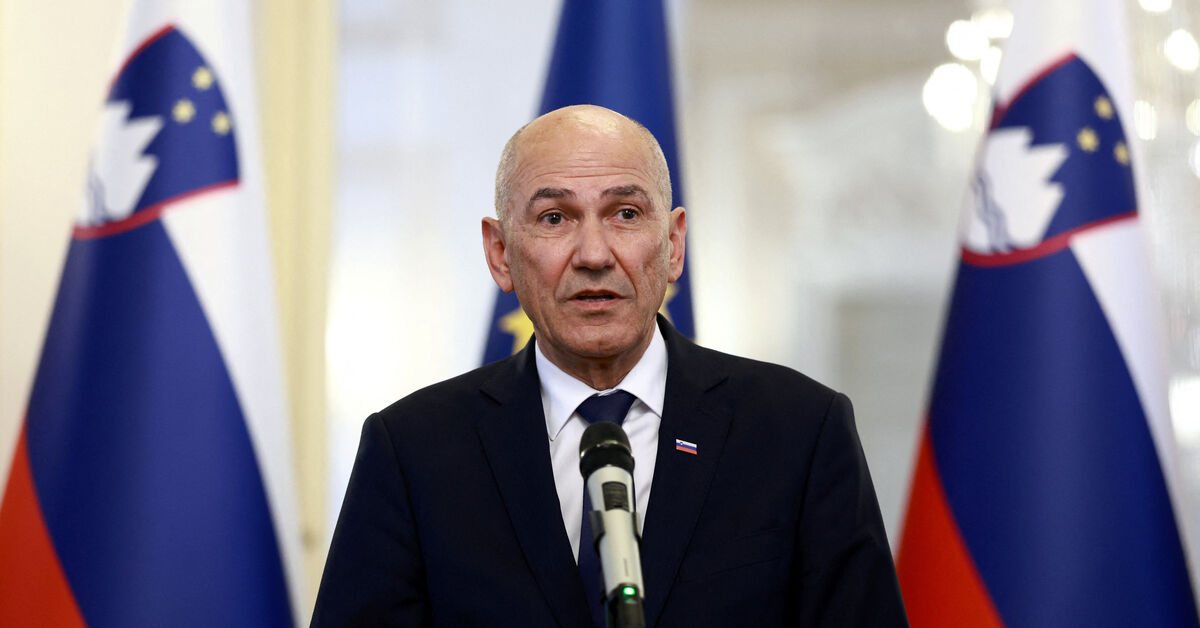
Jansa returned to office with a slim parliamentary majority after an inconclusive election. The new government says it will cut taxes, trim bureaucracy and reset foreign policy after a liberal cabinet that took a harder line on Israel and recognized a Palestinian state.
Slovenia chose a new team to run the country, like picking a new captain after a close game. That team wants to lower taxes and cut red tape, and it may also change how Slovenia talks about Israel and Palestine.
Analysis
What happened
Slovenia's parliament approved Janez Jansa's centre-right government by 49 votes to 30, giving him a fourth term as prime minister after the March election failed to produce a stable governing majority. The 15-member cabinet is built mostly around Jansa's SDS party, with coalition partners NSi, Democrats and Focus also included. The fifth coalition partner, SLS, did not receive a ministerial post.
What the new cabinet says it will do
Jansa told lawmakers his government will focus on tax cuts, targeted spending, an anti-corruption drive and reducing bureaucracy. He also said he wants to devolve more power to local governments. In parliament, he described the ministers as experienced and said they would represent the whole country.
Political balance
The coalition controls 43 seats in Slovenia's 90-seat parliament and is backed by the right-wing Resnica party, which is not formally part of the government. Deputies representing national minorities also supported the cabinet. Jansa said he will invite opposition parties next week to help draft major legislation, calling it an offered hand but stressing cooperation would depend on them too.
Regional angle
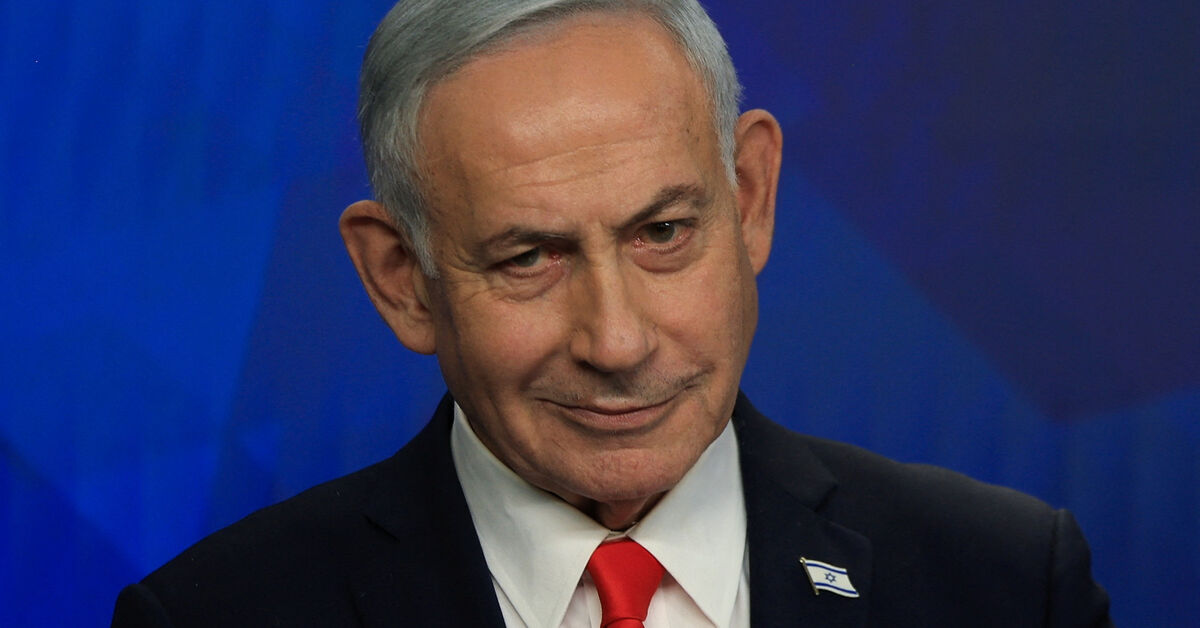
Analysts quoted in the article say the new government is likely to change foreign policy direction from the previous liberal administration. That earlier government recognized a Palestinian state and imposed travel bans on Israeli Prime Minister Benjamin Netanyahu and two far-right ministers. The shift suggests Slovenia may become less confrontational toward Israel and less aligned with the previous cabinet's Middle East posture.
Key points
- Slovenia's parliament approved Janez Jansa's centre-right government by 49 votes to 30.
- The cabinet says it will cut taxes, target spending, fight corruption and reduce bureaucracy.
- Most ministers come from Jansa's SDS party, with partners from three other parties in the cabinet.
- The five-party coalition has 43 seats and is backed by the right-wing Resnica party without it formally joining the government.
- Analysts say the new government is likely to move Slovenia's foreign policy away from the previous cabinet's pro-Palestinian line.
If Jansa's government follows through on its promises, it could make governing more stable and simplify policy-making through a larger coalition. Its pledge to invite opposition parties into talks could also help reduce gridlock on major laws.
The coalition is not fully unified: it governs with outside support and one partner did not get a ministry, which could make it harder to hold together. A shift in foreign policy could also draw criticism at home or abroad if it reverses Slovenia's earlier stance on Palestine and sanctions on Israeli officials.