Smaller dialysis operators warn out-of-pocket fees may rise as Middle East conflict drives up costs
Smaller dialysis operators in Singapore are warning that out-of-pocket fees for patients may rise due to the ongoing Middle East conflict, which is driving up operating costs. The conflict has led to higher energy prices and disruptions to global medical supply chains, ma…
Intelligence analysis by Llama
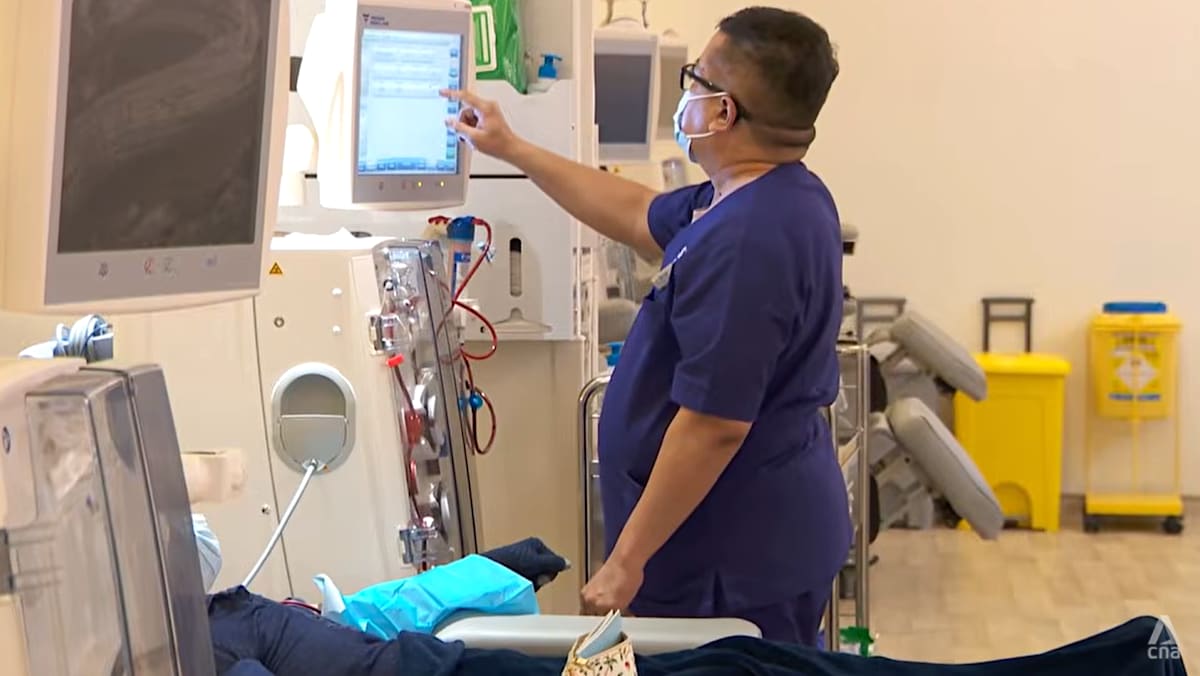
Smaller dialysis operators in Singapore are warning that out-of-pocket fees for patients may rise due to the ongoing Middle East conflict, which is driving up operating costs. The conflict has led to higher energy prices and disruptions to global medical supply chains, making it difficult for providers to absorb the costs.
Imagine you need a special machine to clean your blood because your kidneys aren't working properly. This machine uses a lot of energy and needs special parts that come from far away. If there's a problem in the Middle East, it can make it harder for these parts to get to Singapore, and that can make it more expensive for people to get the treatment they need. But don't worry, the government and charities are working together to make sure everyone can get the treatment they need, even if it's more expensive.
Analysis
Rising Operating Costs and Disruptions to Global Medical Supply Chains
The ongoing Middle East conflict has led to a significant increase in operating costs for smaller dialysis centers in Singapore. The conflict has resulted in higher energy prices and disruptions to global medical supply chains, making it difficult for providers to absorb the costs. The Kidney Dialysis Foundation (KDF) has seen its electricity bills increase by about S$2,000 a month across its four dialysis centers. The foundation's CEO, Peter Lee, explained that the cost of running and providing dialysis will certainly go up due to the logistics, medical consumables, and supplies that are not locally sourced and depend on the global supply chains.
Impact on Patients and Providers
The potential increase in out-of-pocket fees for dialysis patients is a concern for those who rely on these services. About 92 percent of KDF's patients are fully subsidized, while those who are not typically pay no more than S$200 a month out of pocket. However, patients who receive little or no subsidy could face higher out-of-pocket expenses if disruptions persist. Some dialysis providers have already raised their fees, with SATA CommHealth increasing dialysis fees by S$5 this month. Before subsidies, patients pay between S$300 and S$800 a month for treatment.
Government and Charities' Response
The government and charities are working together to ensure that essential services like dialysis are not denied to patients, regardless of the situation. The Ministry of Health's dialysis subsidies have been enhanced recently, which will help cushion the fee increase for many patients. However, those receiving lower levels of subsidy may still pay between S$100 and S$500 out of pocket each month.
Key points
- The ongoing Middle East conflict is driving up operating costs for smaller dialysis centers in Singapore.
- Higher energy prices and disruptions to global medical supply chains are making it difficult for providers to absorb the costs.
- Patients who receive little or no subsidy could face higher out-of-pocket expenses if disruptions persist.
- The government and charities are working together to ensure that essential services like dialysis are not denied to patients, regardless of the situation.
- The recent enhancements to the Ministry of Health's dialysis subsidies will help cushion the fee increase for many patients.
The government and charities are working together to ensure that essential services like dialysis are not denied to patients, regardless of the situation. The recent enhancements to the Ministry of Health's dialysis subsidies will help cushion the fee increase for many patients.
If the disruptions to global medical supply chains persist, patients who receive little or no subsidy could face higher out-of-pocket expenses. This could lead to a situation where patients are denied life-saving treatment because they cannot afford to pay.