Smart-driving chips: the weapon of choice in China’s EV tech war
Chinese carmakers are designing their own smart-driving chips to reduce reliance on foreign companies. Li Auto unveiled a 5-nanometre AI chip for autonomous driving.
Intelligence analysis by Llama 3.3 70B
China's electric-vehicle tech war has led to carmakers designing custom smart-driving chips, aiming to reduce dependence on Nvidia and Horizon Robotics.
Imagine a super-fast computer that helps a car drive itself. Chinese car companies are making their own special computer chips to make their cars smarter and more efficient.
Analysis
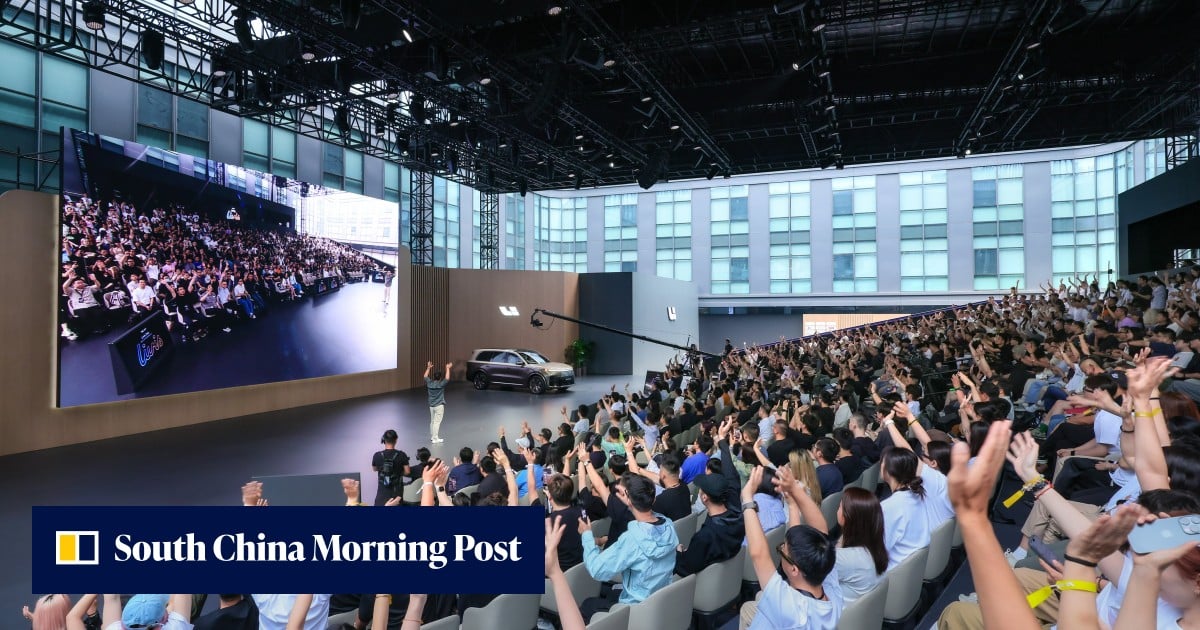
Background: China's electric-vehicle tech war has been intensifying, with carmakers striving for more control over computing hardware. The latest development in this war is the design of custom smart-driving chips, which can process vast amounts of data from various sources such as radar and lidar sensors. ## What Changed: Recently, Li Auto unveiled the Mach M100, a 5-nanometre artificial-intelligence chip tailored for autonomous driving. This chip displayed single-unit computing power of 1,280 trillion operations per second (TOPS) and achieved a highly efficient 82 per cent utilisation rate. Other carmakers, such as BYD, Nio, and Xpeng, have also made breakthroughs in smart-driving chip technology. ## What's Next: The development of custom smart-driving chips is expected to continue, with carmakers aiming to improve the performance and efficiency of their electric vehicles. This could lead to increased competition in the industry and potentially change the landscape of China's electric-vehicle market. The use of custom chips can also reduce reliance on foreign companies, such as Nvidia and Horizon Robotics, and promote domestic innovation.
Key points
- Chinese carmakers are designing custom smart-driving chips
- Li Auto unveiled a 5-nanometre AI chip for autonomous driving
- BYD, Nio, and Xpeng have also made breakthroughs in smart-driving chip technology
The development of custom smart-driving chips could lead to improved safety and efficiency in electric vehicles, making them more attractive to consumers. This could also promote domestic innovation and reduce reliance on foreign companies, potentially boosting China's economy. Additionally, the increased competition in the industry could drive down prices and make electric vehicles more accessible to a wider range of consumers.
The development of custom smart-driving chips is a complex and challenging process, and carmakers may face significant technical hurdles. Additionally, the reliance on custom chips could lead to compatibility issues and increased costs, potentially making electric vehicles more expensive for consumers. Furthermore, the intense competition in the industry could lead to consolidation and job losses, potentially having a negative impact on the economy.