SMIC Weighs More Capacity as AI-Related Chip Demand Exceeds Forecasts
SMIC, China's largest foundry, is increasing capacity to meet surging demand for mature-node chips used in AI processors. The demand is driven by a global AI infrastructure boom, leading to shortages across AI-related supporting chips.
Intelligence analysis by Llama
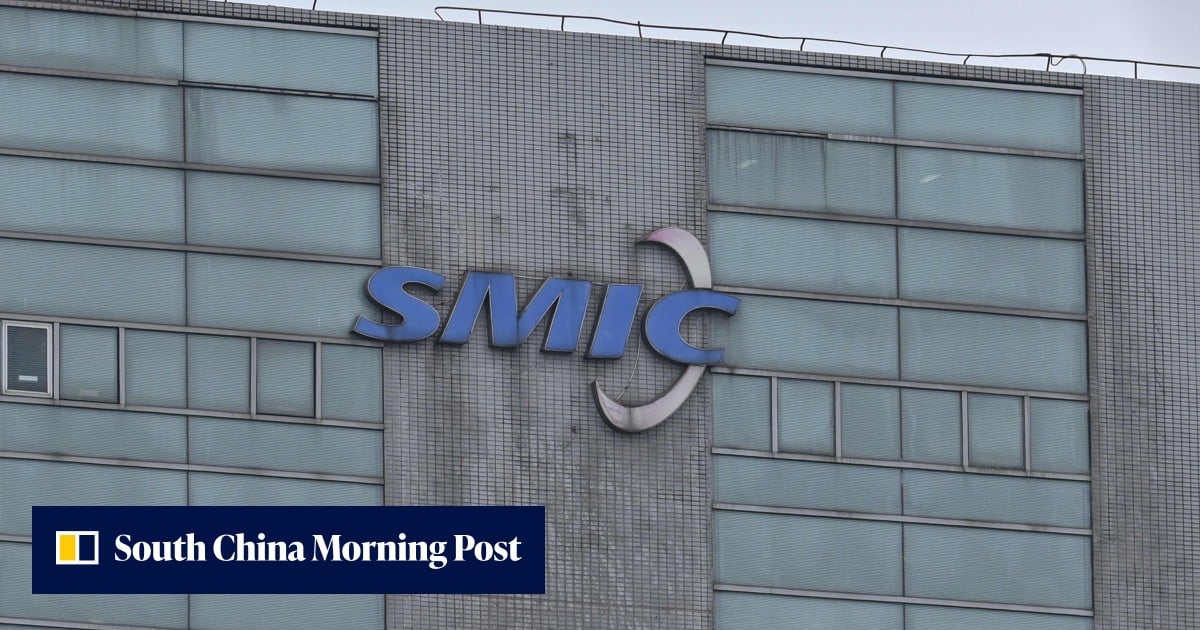
SMIC is expanding its capacity to meet the increased demand for mature-node chips used in AI processors, driven by a global AI infrastructure boom. The company's co-CEO, Zhao Haijun, stated that future wafer starts are exceeding their previous expectations, and they are adjusting their expansion plans to meet the demand.
Imagine you're building a really powerful computer to help with things like self-driving cars or medical research. You need special chips to make it work, and these chips are in high demand. SMIC, a company that makes these chips, is working hard to make more of them to meet the demand.
Analysis
SMIC's Capacity Expansion Plans
SMIC's decision to increase capacity is a response to the unexpected surge in demand for mature-node chips used in AI processors. The company's co-CEO, Zhao Haijun, stated that future wafer starts are far exceeding their previous expectations, indicating a significant increase in demand. This demand is driven by a global AI infrastructure boom, which is leading to shortages across AI-related supporting chips.
Implications of the Demand Surge
The surge in demand for AI-related chips has significant implications for the global semiconductor industry. The increased demand is putting pressure on supply chains, with potential impacts on market dynamics. SMIC's capacity expansion plans are a response to this demand surge, and the company is adjusting its expansion plans to meet the demand.
Outlook for the Industry
The outlook for the industry is uncertain, with potential risks and opportunities arising from the demand surge. On one hand, the increased demand for AI-related chips could lead to new opportunities for companies like SMIC. On the other hand, the pressure on supply chains could lead to potential risks and challenges for the industry.
Key points
- SMIC is increasing capacity to meet the increased demand for mature-node chips used in AI processors.
- The demand surge is driven by a global AI infrastructure boom, leading to shortages across AI-related supporting chips.
- SMIC's co-CEO, Zhao Haijun, stated that future wafer starts are far exceeding their previous expectations.
- The company is adjusting its expansion plans to meet the demand, with further details to be disclosed in upcoming announcements or briefings.
If SMIC is successful in meeting the demand for AI-related chips, it could lead to new opportunities for the company and the industry as a whole. The increased demand could also drive innovation and investment in the field of AI and semiconductors.
However, the pressure on supply chains could lead to potential risks and challenges for the industry. Delays or shortages in the supply of AI-related chips could impact the development and deployment of AI technologies, leading to potential setbacks and challenges.