Social care in England: how could we pay to fix a ‘broken system’?
The adult social care system in England is broken and needs fixing, according to the prime minister, Andy Burnham. There is no consensus on how to fund change, but reform proposals aim to rebalance the burden of the cost of care between the state and the individual.
Intelligence analysis by Llama
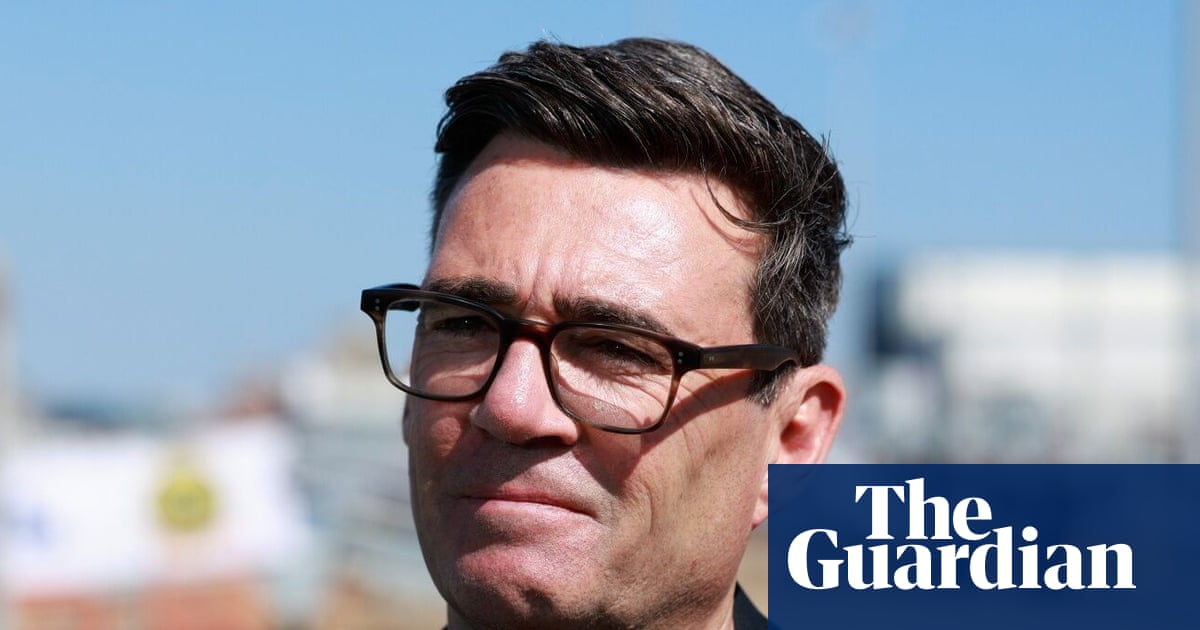
The adult social care system in England is broken and needs fixing, according to the prime minister, Andy Burnham. Reform proposals aim to rebalance the burden of the cost of care between the state and the individual, but there is no consensus on how to fund change.
Imagine you or a family member needs help with daily tasks like eating, bathing, or getting dressed. In England, the system that helps people with these needs is broken and needs fixing. Reform proposals aim to make it fairer and more helpful, but there's no agreement on how to pay for it.
Analysis
A Broken System in Need of Reform
The adult social care system in England is broken and needs fixing, according to the prime minister, Andy Burnham. This is a view commonly shared by policymakers across the political spectrum, though there are sharper differences on how to pay for reform to what is widely seen as an outdated, fragile system held together by “sticking plasters and glue” and propped up by an army of unpaid carers.
Reform Options
Reform proposals tend to look for ways to improve the lives and wellbeing of vulnerable individuals while protecting them against excessive social care costs. Options seek to rebalance the burden of the cost of care between the state and the individual by providing some care for free regardless of income, or by limiting the financial impact on individuals and families of catastrophic care bills.
A Universal NHS-Style System
Burnham has talked about a national care service for England run on the “NHS principle”. He has not said what this means but an NHS-style free-at-the-point-of-use care system would cost an estimated £18.5bn a year by 2035-36. This would be by far the most expensive option but would transform what is currently one of the world’s stingiest care systems into one of the most generous.
Introducing a Level of Free Personal Care
One alternative would be a free personal care service along Scottish lines. Scotland provides free personal care for adults at home or in residential care – meaning the state pays for hygiene, meals, medication and general wellbeing. This does not include support with housework, laundry, shopping or the cost of attending day care centres, which are means-tested. According to the Health Foundation thinktank, free personal care for over-65s in England would cost an extra £7.5bn by 2035-36.
Key points
- The adult social care system in England is broken and needs fixing, according to the prime minister, Andy Burnham.
- Reform proposals aim to rebalance the burden of the cost of care between the state and the individual.
- Options include introducing a universal NHS-style system, a level of free personal care, or a cap on care costs.
- Reform proposals would require significant extra government investment over the long term, most likely through increases in taxation.
If the government invests in a new social care system, it could lead to better care for millions of people in England. This could also create jobs and stimulate the economy. However, this would require significant extra government investment over the long term, most likely through increases in taxation.
If the government fails to reform the social care system, it could lead to catastrophic care bills for individuals and families. This could also lead to a shortage of carers and a decline in the quality of care. The current system is already struggling to meet the needs of vulnerable individuals, and without reform, it could get even worse.