Social housing lists ‘would take 119 years to clear at current building rate’
Shelter says England’s social housing waiting lists would take 119 years to clear at current building rates, with demand far outstripping new supply.
Intelligence analysis by GPT-5.4 Mini
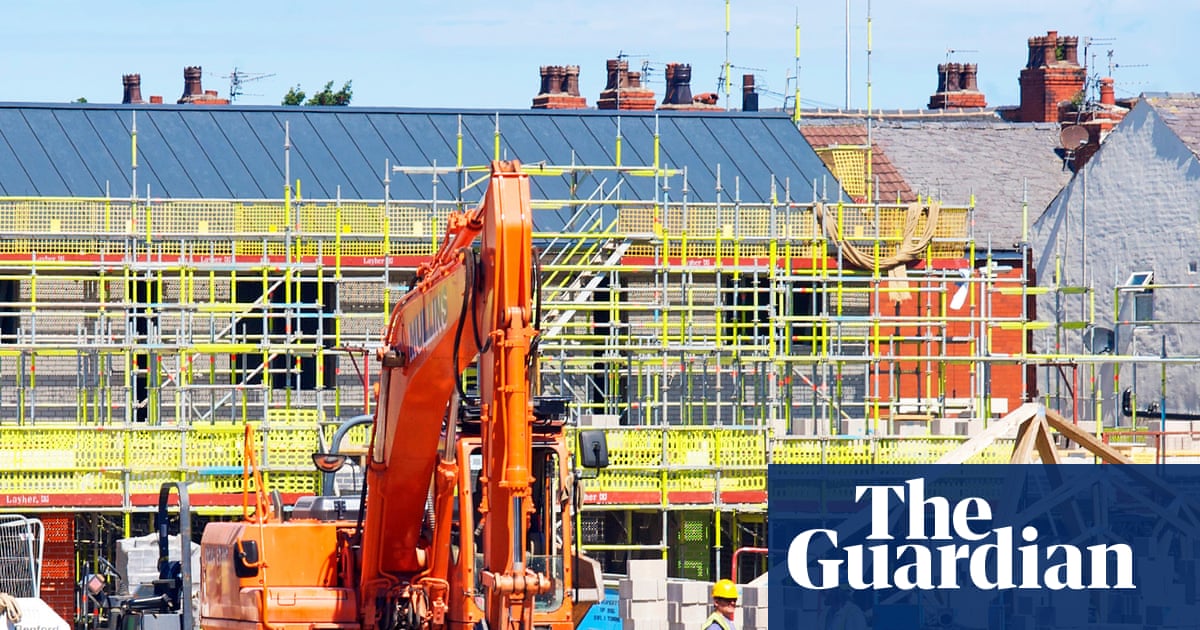
Shelter argues the social housing system in England is moving far too slowly to meet demand. The charity says more than 1.3 million households are waiting, while last year’s output was only 12,198 homes, leaving generations at risk of homelessness.
There are far more families waiting for affordable homes than there are new homes being built. It is like a huge line at a tiny bakery that only makes a few loaves a day, so the line barely moves.
Analysis
What Shelter found
Shelter says England’s social housing waiting lists are so large that, at the current pace of delivery, it would take 119 years to clear them. The charity says more than 1.3 million households are on waiting lists, while only 12,198 social homes were built across England last year by councils, housing associations, or private developers. That works out to roughly 110 households waiting for every new social home delivered.
The charity’s case is that the shortage is not just a short-term backlog but a structural failure. Shelter says the number of new social rent homes built each year has fallen 64% over the past 15 years, while the number of homeless households in temporary accommodation has risen 155%. It also says the problem is unevenly spread: in 20% of council areas in England, no social homes were built in the last two years, and in 30% of areas fewer than 10 were built.
The policy dispute
Shelter and housing campaigners blame a £29bn housing debt that was transferred to local authorities in 2012, arguing that servicing the interest makes it hard for councils to build at scale. They also say right-to-buy sales have reduced council stock faster than it can be replaced.
The government says it wants a “council housing revolution” and has promised 300,000 new social and affordable homes, with 60% set aside for social rent. Shelter says that still falls short of what is needed and calls for 90,000 social rent homes a year for 10 years, alongside debt relief for councils.
The Ministry of Housing, Communities and Local Government says its Social Housing Bill and £39bn programme are designed to change the system and support councils to build again.
Key points
- Shelter says England has more than 1.3 million households waiting for social housing.
- Only 12,198 social homes were built last year, which Shelter says is far too few for demand.
- The charity says it would take 119 years to clear the waiting lists if delivery stayed at the same rate.
- Shelter blames council debt, right-to-buy losses, and weak social rent supply for the shortage.
- The government says its housing plans and funding programme will help councils build more homes.
If the government’s promised building programme is delivered, more social and affordable homes could start easing the backlog. Debt relief for councils could also let local authorities build more quickly and reduce pressure on temporary accommodation.
If building stays at the current pace, the waiting list will keep growing and families may remain stuck in temporary accommodation for years. Continued right-to-buy losses and debt costs could leave councils unable to replace the homes they lose.