Social media on trial: Four important cases to watch
BBC examines four U.S. lawsuits that could reshape how social platforms design products, protect minors and defend against liability.
Intelligence analysis by GPT-5.4 Mini
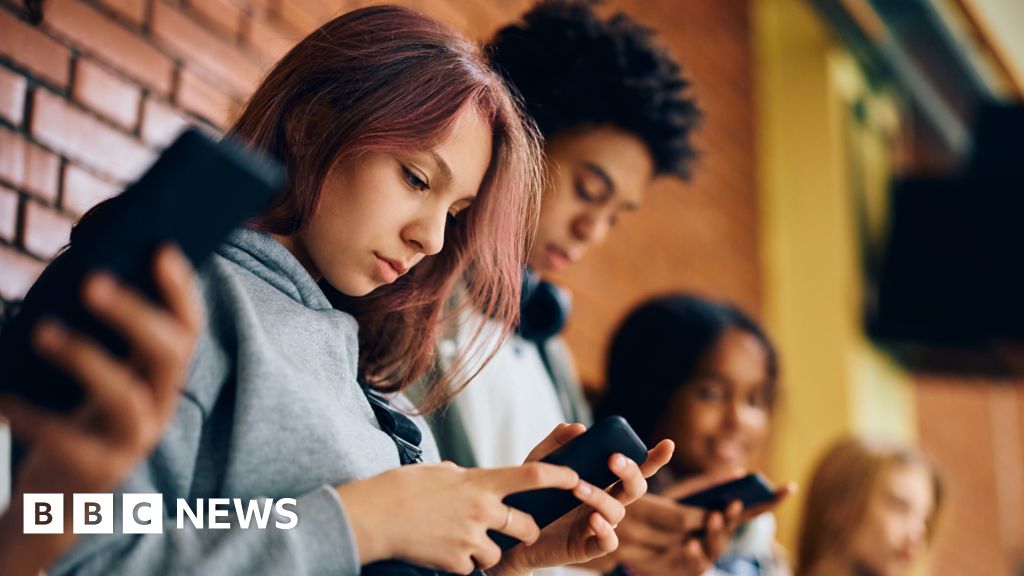
The BBC says a wave of U.S. cases is testing whether social platforms can be held liable for addictive design, child safety failures and scam ads. Four trials or appeals stand out because their outcomes could shape platform rules far beyond the defendants.
The story follows four court fights over whether social apps should be blamed when kids get hurt or scammers use them. It is like checking whether a playground needs better fences and stricter gatekeepers.
Analysis
What the BBC is tracking
The article argues that social platforms are facing a legal reckoning after years of being treated as harmless connectors. It says the lawsuits now moving through U.S. courts could change how platforms operate, especially in California, where many of the major firms are based and where state-level legal changes can have nationwide effects.
The four cases
The first case is a multidistrict litigation involving more than 1,000 school districts. The schools allege that Instagram, YouTube, Snapchat and TikTok were intentionally designed to be addictive and that the platforms harmed children and cost schools money and resources. A trial for some claims is set to begin in February after one school district settled.
The second case is People of the State of California v. Meta. California and Colorado led a group of 29 states in a 2023 lawsuit against Meta and Instagram, accusing Meta of violating the federal children’s privacy law known as COPPA. The states want Meta to do more to keep under-13 users off its platforms and to remove data collected from those users. The article notes Meta uses that data for ad targeting and to train AI models and tools.
The third case, John Doe, a minor v. Roblox et al, was brought by a 13-year-old in San Mateo County. He says he was groomed and solicited through Roblox and Discord by an adult predator. If the companies lose their appeal over arbitration, the case could reach trial later this year and may affect age-gating and stranger contact features.
The fourth case, Forrest v. Meta, was brought by Australian billionaire Andrew Forrest. He says Meta failed to stop scam ads that used his name and image to push fake investments. The case is important because it tests whether Section 230 can shield Meta from liability for those ads.
Key points
- The BBC says social media companies are facing thousands of lawsuits in the U.S. over child safety, addictive design and scam ads.
- More than 1,000 school districts are part of a case alleging that Instagram, YouTube, Snapchat and TikTok were designed to be addictive.
- A separate case led by 29 states accuses Meta of violating children’s privacy protections and wants stronger age restrictions.
- Roblox and Discord face a lawsuit from a 13-year-old who says he was groomed through their platforms.
- Andrew Forrest’s case against Meta could test whether Section 230 protects the company from liability over scam ads.
If the plaintiffs win some claims, platforms could be pushed to tighten age checks, reduce addictive design, and improve moderation against scams and predator contact. The article suggests that could make social media safer for children and young users. A ruling that limits harmful design or unsafe access could also create clearer rules for the industry, which may reduce uncertainty over time.
If the platforms keep winning appeals or narrow the cases, the litigation could drag on for years without meaningful design changes. The article also suggests that a win for Meta on Section 230 or arbitration could preserve current defenses and delay safety reforms.