Social Media: "We don't have to accept anything that is addictive" – EU announces social media ban for children
The EU plans to legally restrict children's and adolescents' access to social media, with EU Commission President Ursula von der Leyen announcing a proposed law to ban social media for those under 13 and limit accounts for 13-15 year olds. The move aims to combat addictio…
Intelligence analysis by Gemini 2.5 Flash
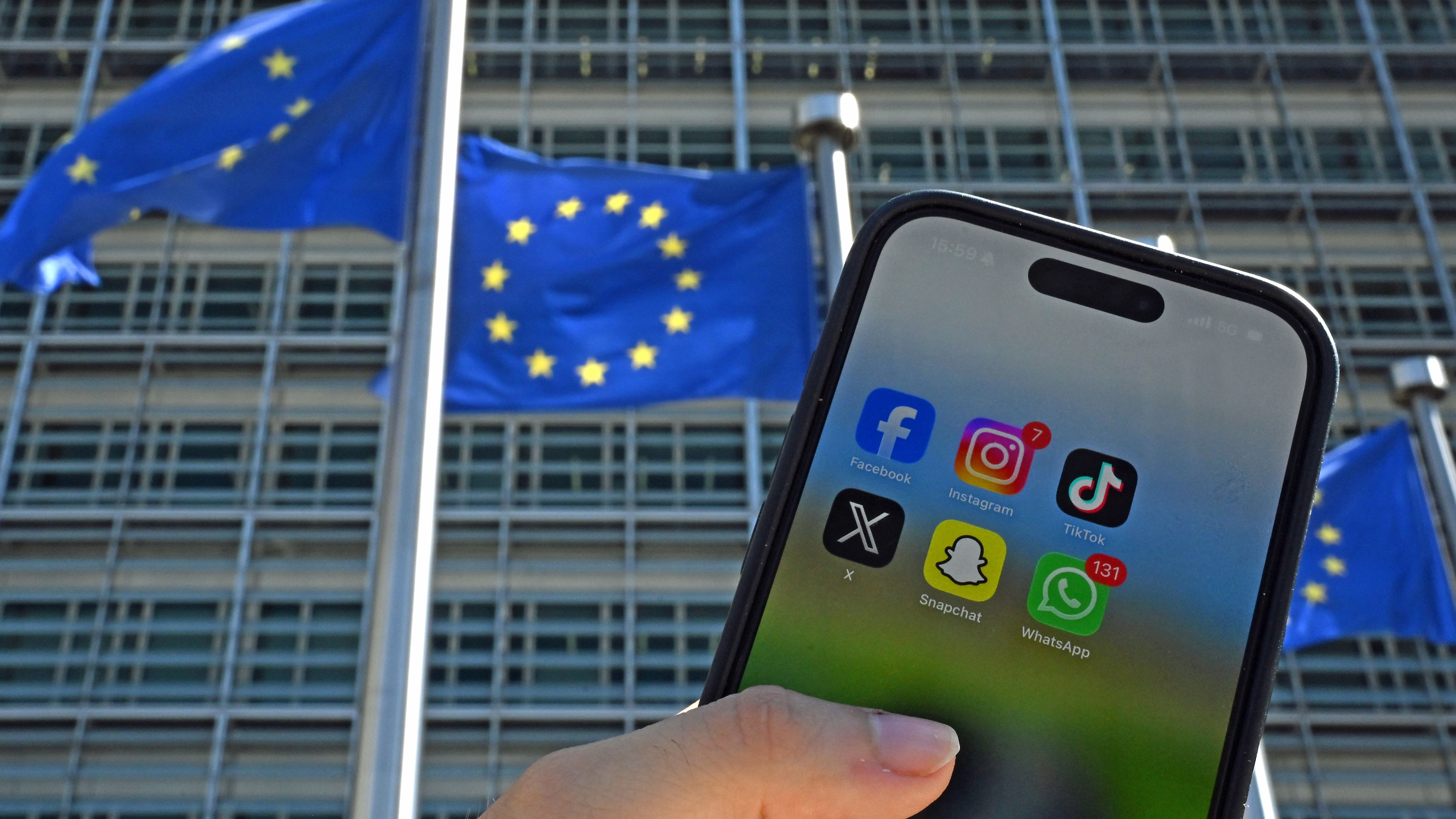
Following Australia's lead, the EU is set to introduce strict age limits for social media use, prohibiting access for children under 13 and requiring parental supervision for 13-15 year olds. This initiative, championed by figures like Emmanuel Macron, addresses concerns about the addictive nature of platforms and their negative impact on youth mental health, with the EU also targetin…
Imagine social media apps are like super fun playgrounds, but some parts can be a bit too much for really young kids, like a roller coaster that's too fast. The grown-ups in Europe, led by Ursula, want to make a rule that kids under 13 can't go on these playgrounds alone, and kids up to 15 need a grown-up to help them use special, safer parts. This is because scientists found that spending too much time on these apps can make kids feel sad or have trouble concentrating, like eating too much candy. They want to make sure kids can grow up healthy and happy without getting stuck scrolling all the time.
Analysis
Ursula von der Leyen
EU Commission President Ursula von der Leyen has taken a firm stance on regulating social media access for minors, announcing a forthcoming law to restrict children's and adolescents' engagement with these platforms. Her declaration, made during her State of the Union address in Strasbourg, highlights a growing concern among European leaders regarding the detrimental effects of "endless scrolling" and the pervasive nature of social media on young minds. Von der Leyen emphasized that the EU "must not accept features that are addictive," signaling a proactive approach to protect vulnerable users.
The proposed legislation goes further than initial expert recommendations, which had suggested a 13-year age limit. Instead, the EU's plan aims to prohibit social media use for those under 13 entirely, while introducing supervised "youth accounts" and time limits for 13-15 year olds. This tiered approach reflects a comprehensive strategy to gradually introduce adolescents to digital platforms under controlled conditions, acknowledging the developmental stage of their brains and the associated risks.
Digital Services Act
The new social media restrictions for children are not an isolated measure but build upon existing regulatory frameworks, particularly the Digital Services Act (DSA). Von der Leyen explicitly stated that platform operators will not be exempt from their obligations under the DSA, which is designed to make digital services safer and more accountable. This continuity underscores the EU's broader strategy to rein in the power of "Big Tech" and ensure that online platforms prioritize user safety, especially for minors.
The DSA already imposes significant responsibilities on large online platforms, including measures to combat illegal content, protect fundamental rights, and enhance transparency. The forthcoming age restrictions will complement these existing rules, adding a specific layer of protection for children and adolescents. By linking the new policy to the DSA, the EU reinforces its commitment to a holistic regulatory environment that addresses various facets of online safety and platform governance.
Emmanuel Macron
While the EU Commission is spearheading this initiative, the article notes that French President Emmanuel Macron has been a significant driving force behind the push for a minimum age for social media within the EU. His advocacy highlights a growing consensus among some European leaders that stricter measures are needed to safeguard youth from the potential harms of digital platforms. Macron's influence suggests a political will across key member states to move beyond mere recommendations and implement concrete legal restrictions.
The EU's previous hesitation to adopt an Australian-style minimum age model appears to have been overcome, partly due to such political pressure. The development of an age verification app by the EU Commission, which shares only an age range with platforms to protect privacy, further demonstrates the practical steps being taken to enable these new regulations. This collaborative effort, with Macron's vocal support, indicates a unified European front in tackling the complex challenges posed by social media's impact on younger generations.
Key points
- The EU plans to introduce a law banning social media for children under 13.
- Youth aged 13-15 will require special, supervised accounts with time limits.
- The policy aims to combat addiction and mental health issues like depression and anorexia linked to social media.
- The EU is developing an age verification app that protects user privacy.
- The new rules will also apply to access to Artificial Intelligence (AI).
- French President Emmanuel Macron has been a key advocate for these stricter age limits.
The new EU regulations could significantly improve the mental health and well-being of children and adolescents by reducing exposure to addictive content and fostering healthier digital habits. By setting clear age limits and promoting supervised usage, the policy could empower parents and educators while pushing tech companies to design safer, less exploitative platforms for younger users.
Implementing and enforcing these age restrictions could prove challenging, potentially leading to workarounds by tech-savvy youth or difficulties in accurate age verification without compromising privacy. There's also a risk that overly strict bans could push children towards less regulated or private online spaces, making them harder to monitor and protect.