Social Security Benefit Cuts Have a Less Obvious but Very Scary Consequence
Social Security's Old-Age and Survivors Insurance Trust Fund is expected to be depleted in late 2032, potentially cutting benefits by 22%. This reduction could also lead to smaller cost-of-living adjustments.
Intelligence analysis by Llama 3.3 70B
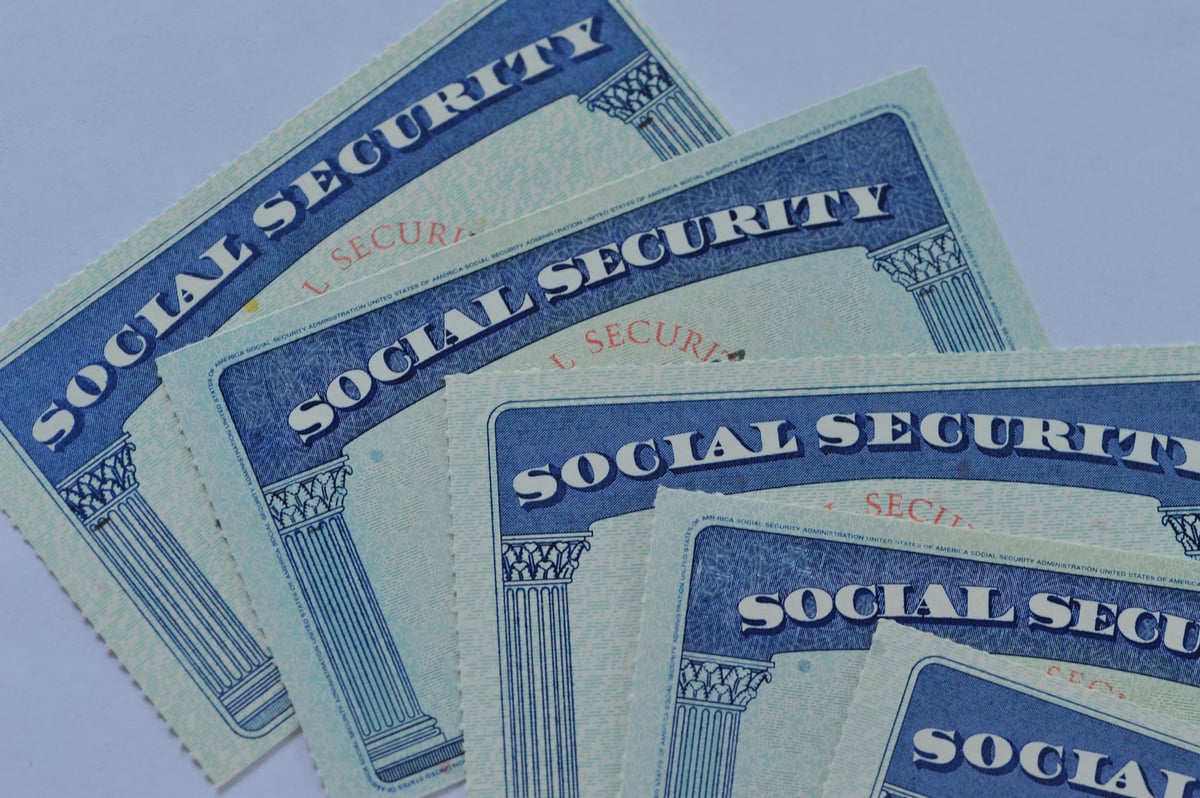
The Social Security Trustees have warned about the program's financial struggles, and a potential 22% benefit cut could have far-reaching consequences for retirees, including reduced monthly checks and smaller cost-of-living adjustments.
Imagine you're getting a monthly allowance, but one day it's reduced by 22%. You'll have less money to spend, and the extra money you get each year to keep up with prices might also be smaller. That's what could happen to some people's Social Security benefits if the program runs out of money.
Analysis
Understanding the Social Security Trust Fund Depletion
The Social Security Trustees have been warning about the program's financial struggles for years. The 2026 update revealed that the Old-Age and Survivors Insurance Trust Fund is expected to be depleted in late 2032. Although Social Security can still pay benefits after the trust fund is empty, the program will only be able to cover 78% of scheduled benefits.
The Impact of Benefit Cuts on Retirees
A 22% reduction in Social Security benefits would significantly affect retirees' monthly checks. For instance, if the average monthly benefit is $2,083, a 22% cut would result in a monthly check of approximately $1,625. This reduction would not only affect retirees' financial stability but also influence their cost-of-living adjustments.
The Consequence of Smaller Cost-of-Living Adjustments
The annual cost-of-living adjustments (COLAs) are a vital component of Social Security benefits, helping retirees keep up with inflation. However, if benefits are reduced, the COLAs will also be smaller in dollar terms. Using the previous example, a 3% COLA on a $2,083 monthly check would result in a $62.49 increase, whereas a 3% COLA on a reduced $1,625 monthly check would only amount to a $48.74 increase. Although the difference may seem negligible, it highlights the potential long-term effects of benefit cuts on retirees' financial stability.
Key points
- Social Security's Old-Age and Survivors Insurance Trust Fund is expected to be depleted in late 2032
- A potential 22% benefit cut could lead to reduced monthly checks and smaller cost-of-living adjustments
- Retirees may need to prepare for potential benefit cuts by reducing spending, pursuing part-time work, or exploring alternative financial strategies
Lawmakers have previously managed to prevent Social Security benefit cuts, and there's a chance they will find a solution to the current financial challenges. If Congress can address the issue, retirees may not have to face reduced benefits, and the program can continue to provide financial stability for those who rely on it.
The potential solutions to prevent Social Security benefit cuts, such as raising the payroll tax rate or pushing back full retirement age, could have significant consequences for workers and companies. If these solutions are implemented, they may lead to higher taxes, reduced benefits, or increased financial burdens on certain groups.