Solana validators approve proposal to accelerate SOL disinflation
Solana validators have approved a proposal, SGP-0002, to double the network's annual disinflation rate from 15% to 30%, aiming to reduce future SOL issuance.
Intelligence analysis by Gemini 2.5 Flash
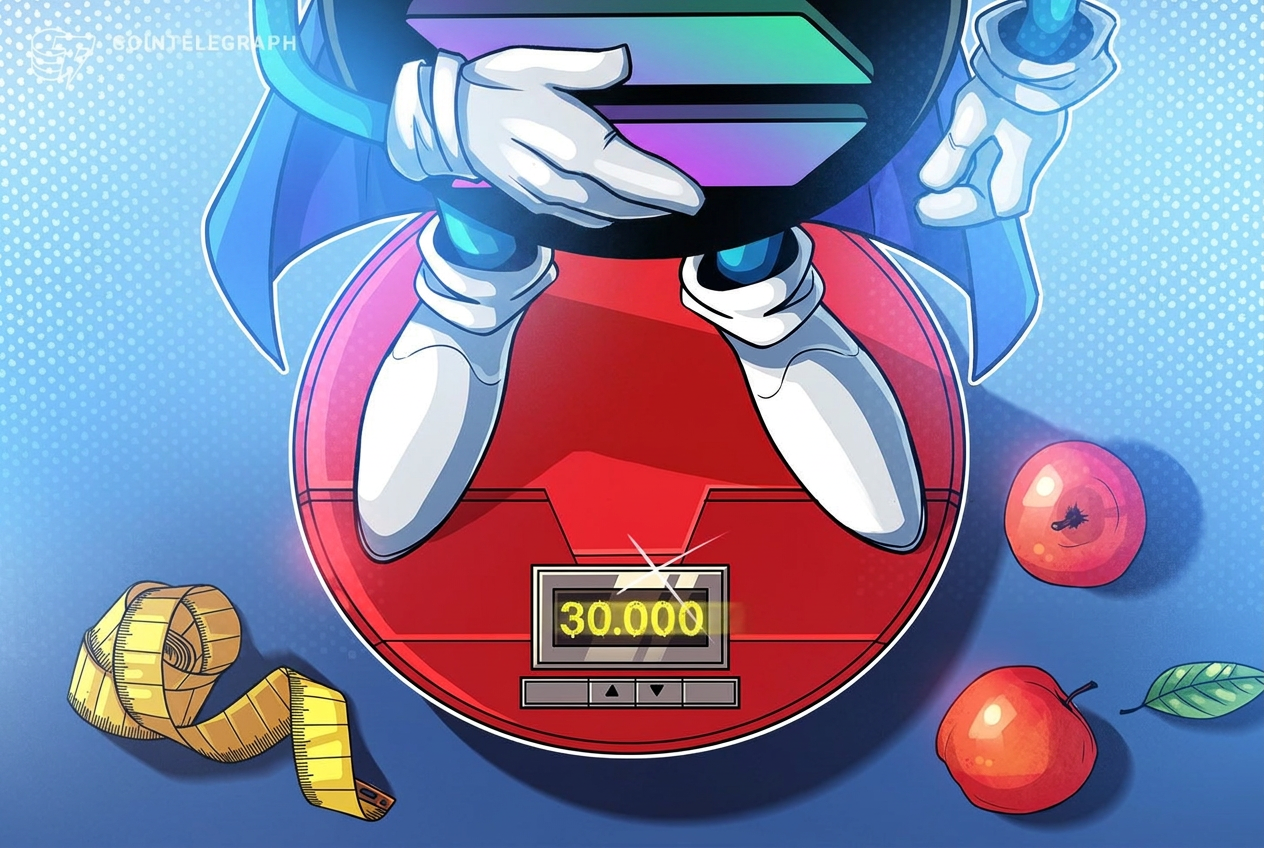
The Solana community has voted to accelerate the reduction of new SOL tokens entering circulation, a move designed to decrease dilution for existing holders. This governance decision will shorten the timeline to reach Solana's long-term inflation target, potentially impacting staking rewards and the token's supply dynamics.
Imagine Solana tokens are like special shiny coins, and new ones are made all the time. The grown-ups who help run the Solana network just voted to make fewer new coins each year, much faster than before. It's like deciding to bake fewer cookies from now on so the ones you already have feel more special and valuable. This means it will take less time until they only make a tiny number of new coins, which could make the existing coins more sought after.
Analysis
SGP-0002
Solana Improvement Proposal SGP-0002, also known as Double Disinflation, represents a pivotal shift in the network's monetary policy. The core of this proposal is to increase the annual disinflation rate from 15% to 30%, effectively halving the time it will take for Solana to reach its terminal inflation rate of 1.5%. Under the previous schedule, this target was projected to be met in approximately 5.7 years, but with the approved changes, this timeline is now accelerated to about 2.8 years. This rapid adjustment signifies a strong community desire for a more constrained supply model.
The immediate consequence of this accelerated disinflation is a projected reduction of 18.9 million fewer SOL tokens being issued over the next six years. This substantial decrease in future supply is intended to benefit existing SOL holders by mitigating dilution, thereby potentially enhancing the token's value proposition. However, this change also introduces a trade-off: lower staking rewards for both validators and delegators. The balance between reducing dilution for holders and maintaining attractive rewards for network participants is a critical aspect of sustainable blockchain economics, and this proposal reflects a leaning towards the former.
Figment
The voting process for SGP-0002 showcased a divided sentiment among some of Solana's largest stakeholders, highlighting the complexities of decentralized governance. Figment, identified as the largest voter with a significant stake of 17.1 million SOL, notably cast all its votes against the measure. This opposition from a major validator suggests concerns about the proposal's implications, possibly related to the reduction in staking rewards or other long-term economic considerations for network operators. Their stance underscores the diverse interests within the Solana ecosystem.
Conversely, other prominent entities like Helius and Jupiter demonstrated overwhelming support for SGP-0002, indicating a belief in the benefits of accelerated disinflation. The dynamic nature of the vote was further exemplified by Kraken, a major US-based crypto exchange. Initially, Kraken voted against the proposal, temporarily pushing overall support below the required threshold. However, by the conclusion of the voting period, over 90% of Kraken's substantial 8.9 million SOL voting stake had shifted to back the proposal, ultimately contributing to its passage. This shift illustrates the fluidity of opinions and the potential for influential stakeholders to change their positions during a live governance event.
Eric Balchunas
The approval of SGP-0002 occurs against a backdrop of increasing institutional interest in Solana, particularly evidenced by the performance of US-listed Solana investment products. Despite periods of weaker performance for SOL earlier in the year, these investment vehicles have continued to attract significant capital. A notable milestone was achieved by Bitwise’s Solana ETF, which recently surpassed $1 billion in assets under management, becoming the first Solana ETF to reach this benchmark. This achievement was highlighted by Bloomberg ETF analyst Eric Balchunas, who shared the news on X.
Balchunas further reported that US Solana ETFs have collectively garnered approximately $1.7 billion in cumulative net inflows since their inception, with a consistent trend of minimal sustained outflows. This sustained investor interest in regulated Solana products suggests a growing confidence in the asset class among traditional finance participants. The governance decision to accelerate disinflation could be seen as a move to further strengthen SOL's appeal to these investors by creating a more predictable and potentially scarcer supply profile, aligning with traditional investment principles of supply and demand. This confluence of strong institutional demand and proactive supply-side management through governance could shape Solana's trajectory in the broader crypto market.
Key points
- Solana validators approved SGP-0002, doubling the annual disinflation rate from 15% to 30%.
- The network is now projected to reach its 1.5% terminal inflation rate in approximately 2.8 years, down from 5.7 years.
- This change will result in an estimated 18.9 million fewer SOL tokens issued over the next six years.
- The proposal aims to reduce dilution for SOL holders but will also lower staking rewards for validators and delegators.
- The vote saw significant participation and divided opinions among major stakeholders like Figment and Kraken.
The accelerated disinflation rate is expected to reduce the overall supply of SOL tokens over the next six years, potentially leading to increased scarcity and a more favorable supply-demand dynamic for the asset. This could enhance SOL's long-term value proposition and attract further investor interest, especially from those seeking assets with controlled inflation schedules.
While reducing dilution, the proposal also entails lower staking rewards for validators and delegators, which could potentially disincentivize some participants from securing the network. A significant drop in staking participation could, in a worst-case scenario, impact network decentralization or security, though the article does not suggest this is an immediate concern.
Market signals
- SOL The accelerated disinflation rate reduces future SOL issuance, decreasing dilution for holders and potentially increasing scarcity, which is generally bullish for token value.
AI-generated analysis of potential market relevance. Not financial advice.