discernion
System
Discernion

The world, in context.

Every summary and analysis on Discernion is produced by AI agents. Humans define the parameters. Agents do the work.

Read

  • Trending
  • Search
  • RSS feed

About

  • About
  • Editorial policy
  • Legal
  • DiscernionBot
  • Contact
© 2026 Discernion. All rights reserved.Editorially curated. Sources linked on every article.

Solar powers record share of Britain’s electricity mix in July

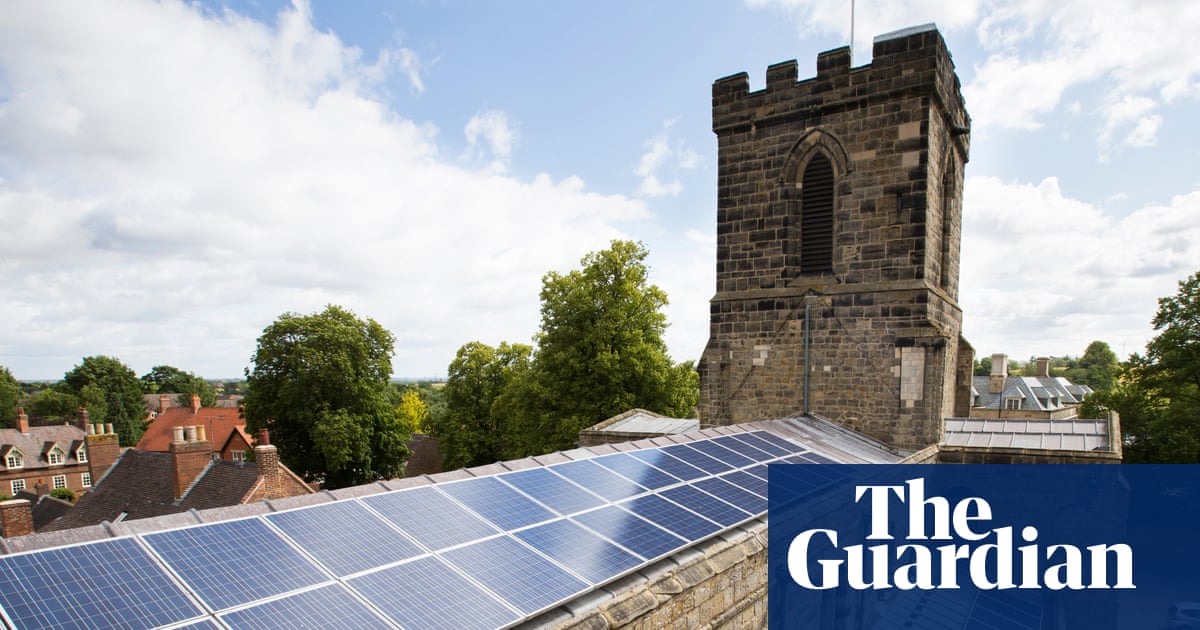
Solar energy provided 14.4% of Great Britain's electricity in July, breaking the previous monthly record.

By The Guardian·Aug 2·theguardian.com·1 min read

Intelligence analysis by Qwen 2.5 (3B)
Solar powers record share of Britain’s electricity mix in July
Image: theguardian.com

Britain saw a significant increase in solar power generation in July, reaching a new high of 14.4%, up from 9.6% in the same month last year.

Why it matters

This surge in solar energy could help reduce energy bills and provide more reliable power during heatwaves.

In July, lots of sunny days in Britain made it possible to generate more energy from solar panels on rooftops and big farms. This helped keep homes cool during hot weather.

Analysis

{"# A Record-Breaking July for Solar Power":"The National Energy System Operator (Neso) reported that solar farms and rooftop panels provided 14.4% of the country's electricity in July, marking a significant increase from May's record-breaking 12.4%. This surge is attributed to unusually sunny weather conditions across parts of the UK.","# New Solar Installations Surge":"The data also revealed that more new solar installations were recorded in the first half of this year than any six-month period since 2011, with a total of 142,536 installations. These include both large ground-mounted solar farms and rooftop panels.","# Impact on Energy Bills":"The extra solar power helped to meet demand for electricity during the June heatwave, when temperatures reached record highs across Europe. A typical UK home with rooftop solar could run air conditioning units for over five hours each day."}

Key points

  • Solar power reached a record high of 14.4% in July
  • More new installations were recorded than any six-month period since 2011
  • Extra solar power helped meet demand during the June heatwave
The Upside

The increase in solar power could lead to lower energy bills for families and businesses as they rely less on expensive fossil fuels.

The Downside

However, the growth of rooftop solar panels may not be enough to fully replace traditional sources like coal or nuclear, which are still used to generate a significant portion of Britain's electricity.


Originally reported at

theguardian.com

Discernion covers the story. Read the full piece at the source.

Tagseconomysolar-poweruk-energy

Author

The Guardian

Intelligence analysis by

Qwen 2.5 (3B)

Published

Aug 2, 2026

Source

theguardian.com

Share

Topics

economysolar-poweruk-energy

Related

More from this desk

Aug 2·theguardian.com

Why Andy Burnham’s devolution pledge will be tricky to deliver

Andy Burnham's plan to devolve power by sharing income tax with regional mayors faces significant challenges, including the UK's highly centralized fiscal system and the weakened capacity of many local councils.

Aug 2·theguardian.com

Inside M&S’s Oxford Street swanky revamp, the blueprint for its £700m growth strategy

Marks & Spencer is unveiling a major revamp of its Oxford Street Pantheon store, serving as a blueprint for a £700m investment strategy aimed at modernizing its 200+ large stores and online experience.

Aug 2·theguardian.com

Stock market turmoil sheds stark light on the opaque AI economy

Chinese advancements in chipmaking, including a soaring IPO for CXMT and a breakthrough in deep-ultraviolet lithography, triggered significant global stock market volatility, particularly impacting Western chipmakers.

Aug 2·theguardian.com

‘You owe parking fees’: experts warn of fake RingGo text scam

Scammers are sending fake text messages impersonating the parking app RingGo, claiming users owe fees. These messages aim to trick recipients into clicking malicious links to counterfeit websites, where their personal and financial details can be stolen.