Some 75 earthquakes hit Iran in a week
Iran recorded dozens of small quakes in one week, with most below magnitude 3 and none above 4. Golestan province saw the strongest event at 3.9.
Intelligence analysis by GPT-5.4 Mini
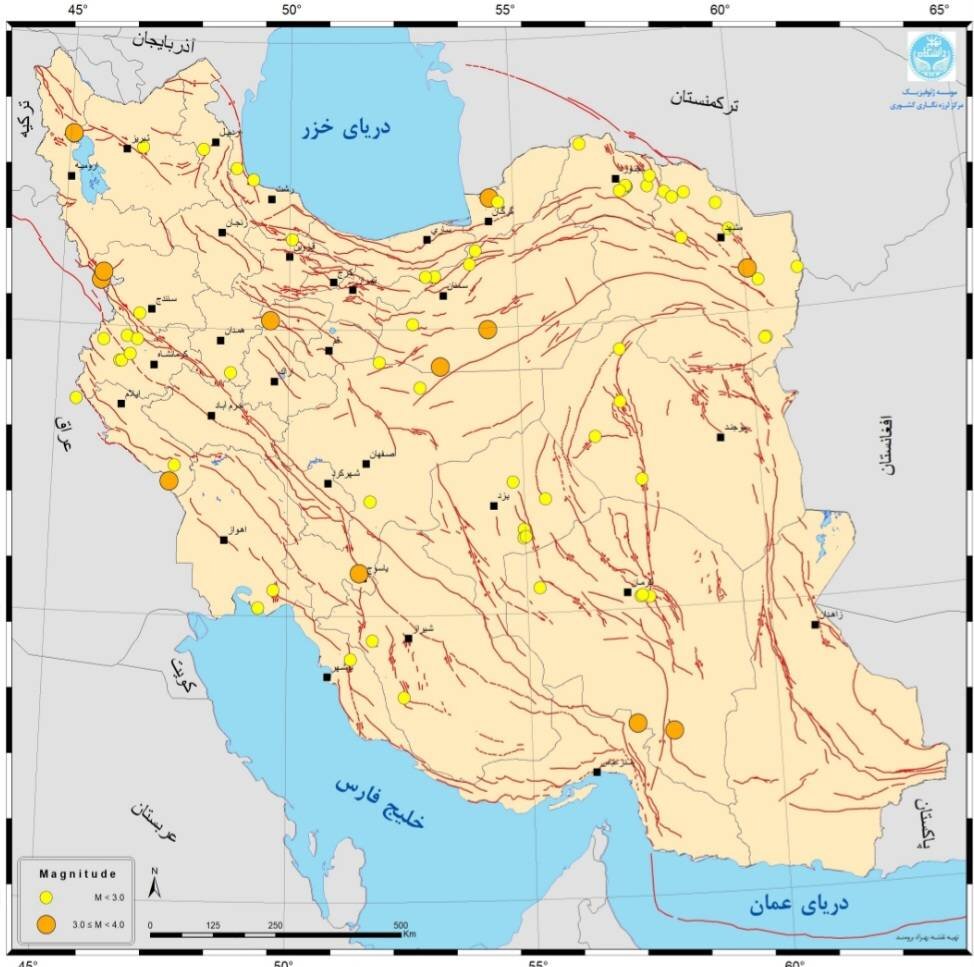
The article frames the week’s seismic activity as a reminder that Iran sits on a very active fault zone. Most tremors were minor, but the clustering in several provinces shows how routine earthquake monitoring remains central to public safety.
Iran had lots of tiny earth shakes in one week, kind of like a floor that keeps tapping under a house. Most were too small to cause big trouble, but the report shows the ground there is always moving and people need to stay ready.
Analysis
A Quiet Week, Not a Quiet Fault Line
Iran’s latest earthquake tally is small in scale but large in meaning. The article says 74 quakes were recorded between July 11 and 17, with most below magnitude 3 and none above 4. That means the week did not bring a major disaster, but it did show the country’s fault lines are active almost continuously.
The headline’s number and the body’s number do not fully match, but the broader picture is clear: this was a normal week in a place where seismic activity is never far away. The article frames the activity through the Institute of Geophysics at the University of Tehran, which matters because it places the reporting on measured network data rather than rumor or anecdote.
Where The Shaking Clustered
The most notable event in the report was a 3.9-magnitude quake in Golestan province on July 15. Beyond that, Khorasan Razavi and North Khorasan each logged 10 earthquakes, followed by Kermanshah with 7, and Kerman and Yazd with 6 each. That distribution suggests the tremors were not random noise spread evenly across the map.
Just as important is where nothing happened. Tehran and several western and southern provinces had no recorded earthquakes in that period, which shows how uneven seismic activity can be from week to week. For readers, that unevenness is a reminder that earthquake risk is national, but local conditions can vary sharply.
What The Numbers Say About Preparedness
The longer-term data in the article adds the real weight. Over the past calendar year, the same networks recorded 2,380 earthquakes above magnitude 2.5, including 910 above 3, 130 above 4, and 15 above 5. Those figures place this weekly report in a much larger pattern of persistent geological movement.
That context is why the closing line about the Iranian plateau matters. The source describes Iran as part of a very seismically active region and notes that the country has accounted for a significant share of the world’s earthquake victims in the past century. The editorial takeaway is not panic, but vigilance: in Iran, earthquake monitoring is not a one-off science story, it is part of everyday risk management.
Key points
- Iran recorded 74 earthquakes between July 11 and 17, according to the article.
- Most of the quakes were below magnitude 3, and none were above 4.
- The strongest reported quake was a 3.9-magnitude event in Golestan province.
- Khorasan Razavi and North Khorasan saw the most activity, with 10 quakes each.
- The article places the week’s activity in the context of Iran’s long-standing seismic risk.
The data gives officials and residents a clearer picture of where quakes are happening, which can support better monitoring and preparedness. Because most of the recorded tremors were small, the week did not bring major damage or a larger disaster.
The report also underlines that Iran remains in a highly active seismic zone, where small quakes can be a warning sign of ongoing risk rather than an isolated event. The article’s historical context suggests the country cannot afford to treat this kind of activity as routine noise.