Some religious national monuments offered longer lease renewals to support long-term upkeep
Singapore has introduced a new policy offering longer 60-year lease renewals to religious organizations whose places of worship are also gazetted national monuments, doubling the typical tenure.
Intelligence analysis by Gemini 2.5 Flash
The Singapore Land Authority (SLA) and National Heritage Board (NHB) have tweaked their policy to grant extended lease renewals for religious national monuments. This aims to provide greater certainty and support for these non-profit institutions, enabling them to undertake significant long-term investments required for the upkeep and restoration of their historically significant buil…
Imagine you have a really old, special toy house that needs lots of careful fixing up to keep it looking nice, like a museum piece. Usually, you only get to keep it for a short time, so it's hard to spend a lot of money on big repairs. But now, the grown-ups in charge are letting the owners of these super old, special toy houses keep them for much, much longer – twice as long as usual! This means the owners can feel safe spending lots of money to fix them perfectly, knowing they won't have to give them back anytime soon, and everyone can enjoy these beautiful old toy houses for many more years.
Analysis
60-year leases
Singapore's authorities, specifically the Singapore Land Authority (SLA) and the National Heritage Board (NHB), have implemented a significant policy adjustment concerning the lease renewals for places of worship that hold the status of national monuments. This tweak allows for lease tenures of up to 60 years, a substantial increase from the standard 30-year renewals typically offered to religious organizations. The primary rationale behind this extended tenure is to provide enhanced stability and certainty for these non-profit institutions.
The longer lease period is designed to facilitate long-term financial planning and investment in the upkeep and restoration of these historically significant structures. The agencies emphasized that such buildings often require specialized and costly preservation work, adhering to stringent heritage requirements. By extending the lease, the government aims to alleviate some of the financial pressures on these organizations, allowing them to focus on their religious and community missions while safeguarding Singapore's built heritage.
St Joseph's Church
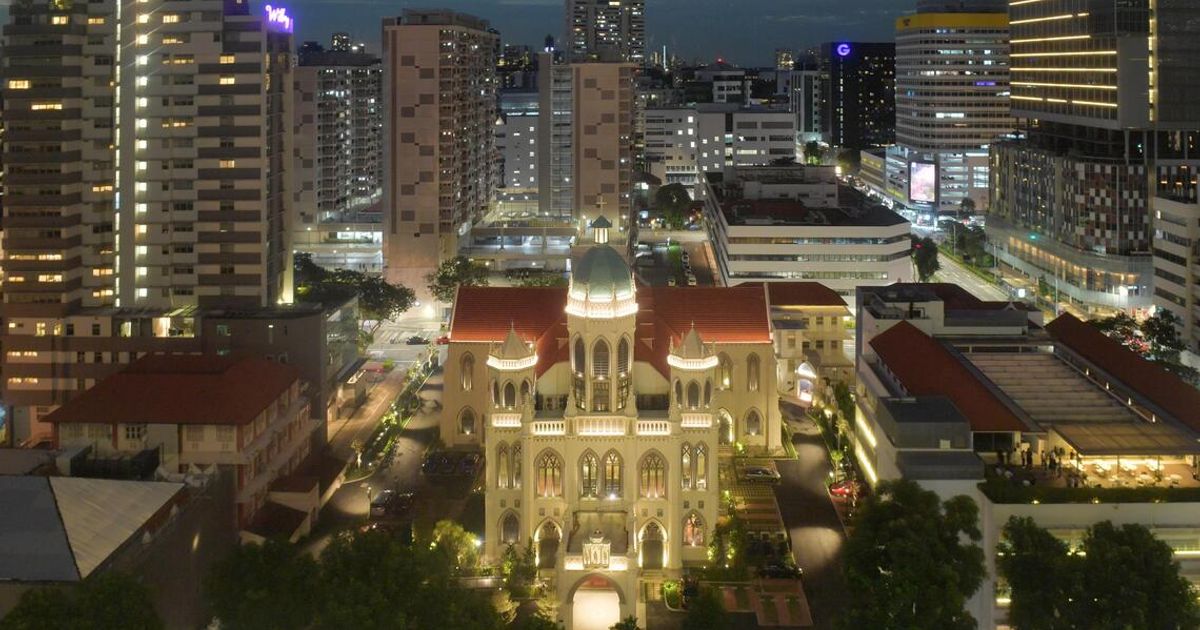
St Joseph's Church in Victoria Street serves as a prime example of a beneficiary of this new policy. After undergoing an extensive $25 million restoration project, the Roman Catholic church faced another substantial expense: its lease renewal. Its original 99-year lease was set to expire in February 2028, but it successfully secured a 60-year renewal earlier in 2026, taking effect on July 15 and costing over $5 million.
According to the Archdiocesan Land and Properties Singapore (ALPS), which advises the Archbishop, the longer lease provides crucial security of tenure. This security is vital for monument owners who are obligated to maintain and safeguard their buildings for the wider public good. The ALPS highlighted that conservation works on monuments often exceed those for normal buildings, requiring compatible materials, traditional techniques, specialist craftsmen, and additional costs for expert advice and documentation.
National Monuments
Singapore currently boasts 77 national monuments, with 30 of these being places of worship. This policy specifically targets these 30 sites, recognizing their dual importance as religious centers and heritage landmarks. Beyond St Joseph's Church, at least two other monuments, St George’s Church in Minden Road and Tan Si Chong Su in Magazine Road, have also been offered 60-year leases, indicating a broader application of this new framework.
In land-scarce Singapore, the government generally grants shorter lease renewals to maintain planning flexibility for future socio-economic needs. However, for national monuments, the government acknowledges their unique heritage value and the higher maintenance costs involved. The extended 60-year leases represent a strategic balance between providing long-term certainty for these specific places of worship and retaining some degree of planning flexibility for the nation's evolving landscape. This approach underscores Singapore's commitment to preserving its cultural and historical assets amidst rapid urban development.
Key points
- Singapore's authorities now offer 60-year lease renewals for places of worship designated as national monuments.
- This new policy doubles the typical 30-year lease tenure usually granted to religious organizations.
- The change aims to provide greater certainty and support for long-term investments in the upkeep and restoration of historically significant buildings.
- St Joseph's Church, St George’s Church, and Tan Si Chong Su are among the first beneficiaries of these extended leases.
- The government recognizes the higher costs and specialized requirements involved in maintaining national monuments, balancing heritage preservation with land-use planning.
The longer lease renewals will provide much-needed financial stability and certainty for religious national monuments, enabling them to undertake comprehensive, long-term restoration and maintenance projects. This ensures the preservation of Singapore's invaluable built heritage and allows these institutions to continue serving their communities effectively without constant worry over lease expirations.
While beneficial for monument owners, granting longer leases for these specific sites could slightly reduce the government's long-term planning flexibility in land-scarce Singapore. This might limit future options for urban redevelopment or reallocation of land resources, potentially creating trade-offs with other evolving socio-economic needs.