South Korean lawmakers seek expanded FIU powers over unregistered crypto firms
South Korean lawmakers have introduced a bill to amend an existing financial law and expand the Financial Intelligence Unit's (FIU) authority to investigate unregistered crypto businesses. The proposal would let the FIU investigate suspected violations and refer unregiste…
Intelligence analysis by Llama
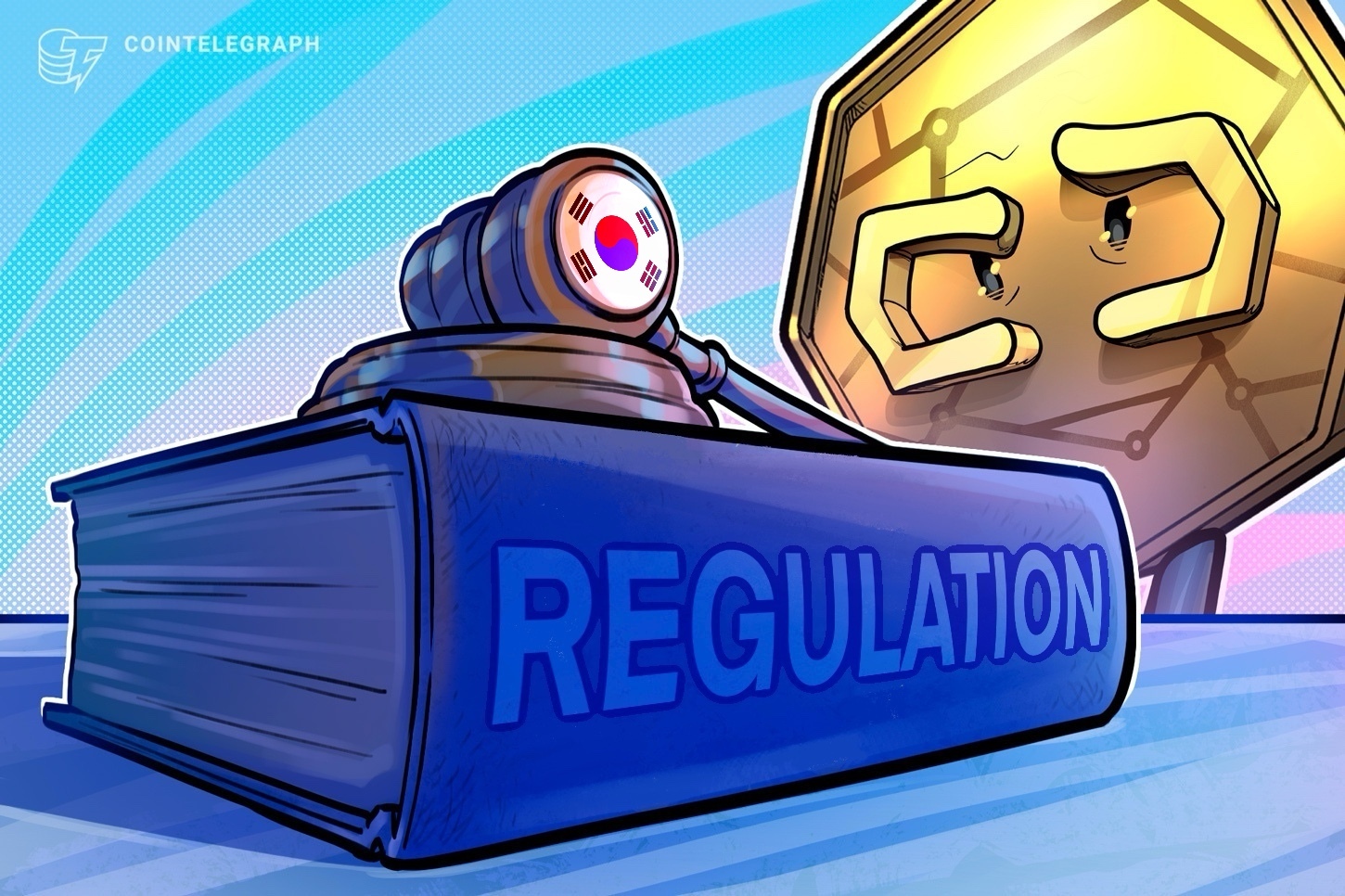
A group of South Korean lawmakers has introduced a bill to expand the Financial Intelligence Unit's (FIU) authority to investigate unregistered crypto businesses. The proposal would let the FIU investigate suspected violations and refer unregistered crypto operators directly to law enforcement.
Imagine you're playing a game where you can trade virtual items with other players. But some players are cheating by trading without following the rules. The government wants to make sure everyone follows the rules, so they're giving the game moderators more power to catch the cheaters and stop them from playing.
Analysis
South Korean Lawmakers Seek Expanded FIU Powers Over Unregistered Crypto Firms
A group of South Korean lawmakers has introduced a bill to amend an existing financial law and expand the Financial Intelligence Unit's (FIU) authority to investigate unregistered crypto businesses. The proposal would let the FIU investigate suspected violations and refer unregistered crypto operators directly to law enforcement.
Under the current system, the FIU identifies suspected unregistered operators but relies on police and other authorities to pursue investigations. Police suspended investigations or preliminary inquiries into 23 of 25 unregistered virtual asset service providers referred by the FIU between August 2022 and August 2025, according to Yonhap. The companies and related individuals were reportedly based overseas.
Crypto companies serving South Korean customers must register with the FIU. The regulator said in June that 28 providers were registered and that it had referred 40 suspected illegal operators to investigative authorities.
The bill remains at the introduction stage and must pass the National Assembly before it can amend the existing law. If passed, the bill would mark a significant step towards regulating the crypto industry in South Korea and preventing unregistered operators from operating in the country.
Implications of the Proposal
The proposal to expand the FIU's authority to investigate unregistered crypto businesses has significant implications for the crypto industry in South Korea. If passed, the bill would give the FIU more power to investigate and refer unregistered operators to law enforcement, which could lead to a reduction in the number of unregistered operators in the country.
However, the proposal has also raised concerns about the potential for over-regulation and the impact on the crypto industry. Some experts have argued that the proposal could lead to a decrease in the number of registered operators, which could have a negative impact on the industry as a whole.
What's Next
The bill remains at the introduction stage and must pass the National Assembly before it can amend the existing law. If passed, the bill would mark a significant step towards regulating the crypto industry in South Korea and preventing unregistered operators from operating in the country.
Key points
- South Korean lawmakers have introduced a bill to amend an existing financial law and expand the Financial Intelligence Unit's (FIU) authority to investigate unregistered crypto businesses.
- The proposal would let the FIU investigate suspected violations and refer unregistered crypto operators directly to law enforcement.
- The bill remains at the introduction stage and must pass the National Assembly before it can amend the existing law.
If the bill passes, it could lead to a reduction in the number of unregistered operators in South Korea, which could make the crypto industry safer and more trustworthy for investors.
However, the proposal has also raised concerns about the potential for over-regulation and the impact on the crypto industry. If the bill is passed too quickly, it could lead to a decrease in the number of registered operators, which could have a negative impact on the industry as a whole.