SpaceX IPO: how can I buy shares, and what are the risks?
SpaceX plans a huge Nasdaq listing on 12 June, with some retail access through brokers. The Guardian explains how to buy, what you may get, and the main risks.
Intelligence analysis by GPT-5.4 Mini
The article explains how investors could get exposure to SpaceX’s planned IPO, including through brokers, funds, and trackers, and warns that access and allocation are uncertain. It also stresses that this is a high-risk bet: Musk keeps control, the price may be rich, and company-specific setbacks could hit the shares.
SpaceX is about to sell parts of itself like slices of a giant cake. People can try to buy those slices through brokers, but there may not be enough for everyone, and the price could fall later if the market changes.
Analysis
What is happening
SpaceX is preparing for a major stock market listing on 12 June, with the article saying the company plans to sell 555.6 million shares and raise $75bn. Some reports say up to a quarter of the shares may be set aside for individual investors, which would be unusual for a large IPO.
How investors may access it
The shares will trade on Nasdaq in New York. Even people who do not buy directly may still end up with exposure because index trackers and other fund managers could add the stock. In the UK, some investment trusts already hold stakes, including Edinburgh Worldwide and Baillie Gifford US Growth.
Retail investors who want direct access would need a broker platform that is participating in the offer. The article says UK platforms such as AJ Bell and Hargreaves Lansdown are offering clients a chance to bid, while in the US access is being offered through firms including Charles Schwab, Fidelity, Robinhood, SoFi Technologies, and Morgan Stanley’s E*Trade. As Jason Hollands of BestInvest notes, UK retail access to US IPOs is usually difficult, though this one is drawing strong demand.
What to watch
The article says the official price will be set on 11 June based on investor interest. If the offer is oversubscribed, allocations may be uneven and some applicants could receive less than they asked for, or nothing at all.
The risk case
The piece warns that buying a single company is riskier than using a fund because there is no diversification to soften losses. It also notes that Musk will retain 82.4% of the voting power, so shareholders will have little say in how the company is run.
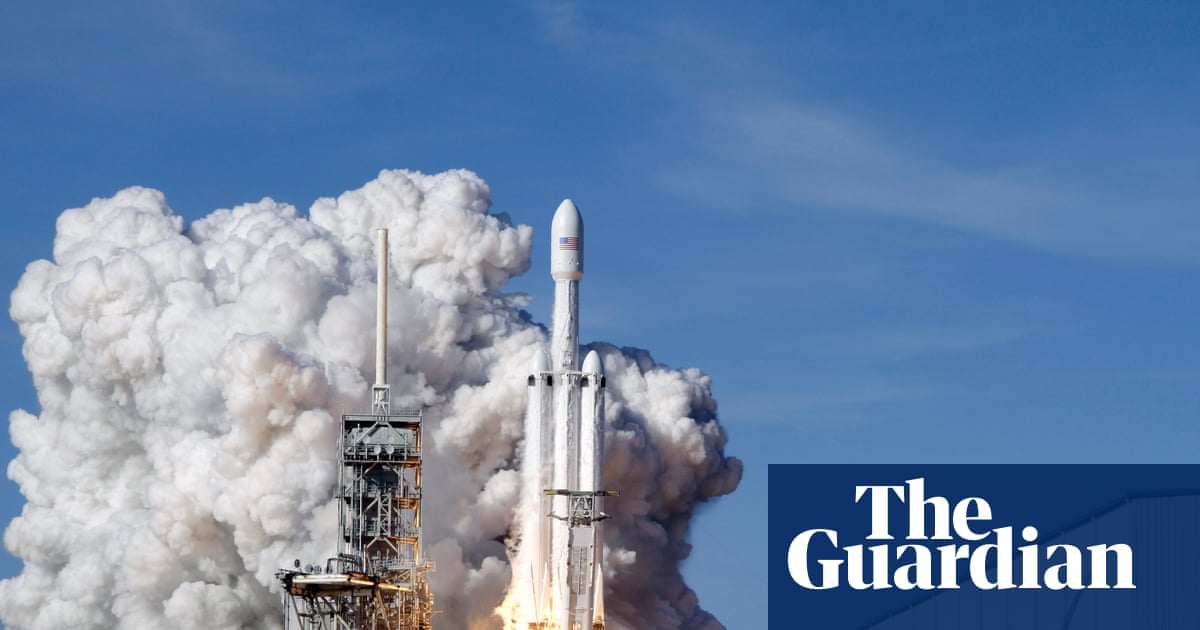
The upside case is tied to SpaceX’s growth opportunities, especially US government defence work and the Starship reusable launch system. But the article also points to risks such as launch failures, regulation, rivals catching up, and reputational damage from Musk’s public comments.
Key points
- SpaceX is set for a major Nasdaq listing on 12 June, with a planned sale of 555.6 million shares.
- The company aims to raise $75bn, and some shares may be reserved for individual investors.
- Retail investors may be able to buy through selected brokers in the UK and US, but allocations are uncertain if the offer is oversubscribed.
- Musk is not selling shares and will keep 82.4% of the voting power.
- The article highlights both upside drivers, like Starship and defence work, and risks such as overvaluation and launch failures.
If SpaceX executes well, the article says investors could benefit from its US government defence work and from Starship becoming fully operational. That could improve both its strategic importance and its commercial reach, especially for cargo and long-distance travel.
The article warns that the shares may be priced too high at the IPO, so they could drift lower after the launch. It also flags launch failures, regulation, competition, reputational damage from Musk’s comments, and governance concerns because Musk keeps most of the voting power.