SpaceX's 13th Starship flight test launches with Starlink's next-gen satellites
SpaceX's 13th Starship flight test has launched with the company's next-generation V3 Starlink satellites on board. The satellites will test their ability to connect with the rest of the Starlink constellation using high-capacity lasers.
Intelligence analysis by Llama
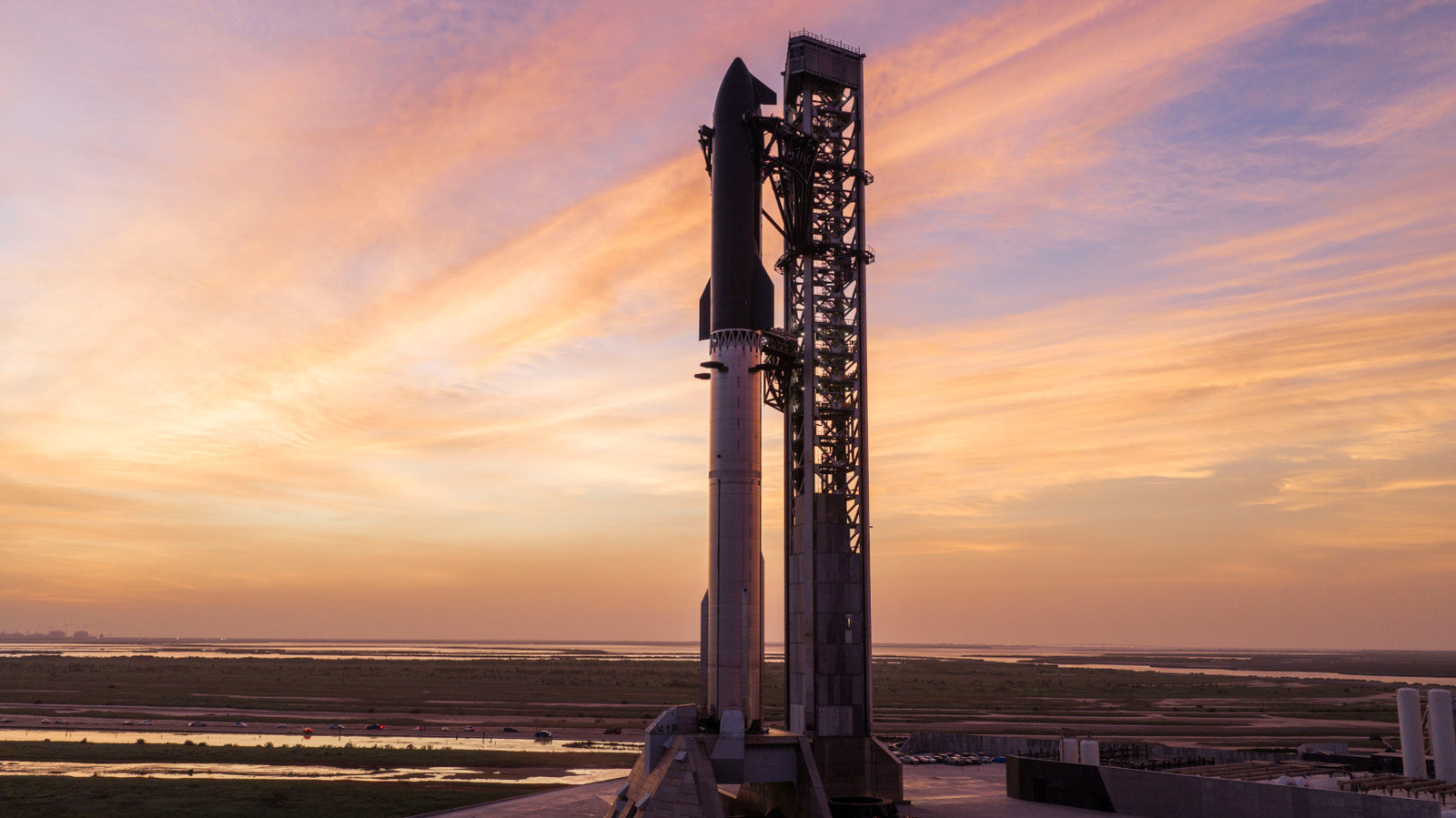
SpaceX's 13th Starship flight test has launched with the company's next-generation V3 Starlink satellites on board. The satellites will test their ability to connect with the rest of the Starlink constellation using high-capacity lasers. The flight is a test of the Starship's heat shield and the satellites' ability to deploy and re-enter the atmosphere.
SpaceX is testing a new spaceship called Starship. It's like a big rocket that can take people and satellites to space. The spaceship has a special heat shield that protects it from getting too hot when it comes back to Earth. The test is to see if the heat shield works properly and if the satellites can connect with the rest of the space network.
Analysis
A $60B Vote of Confidence
The launch of SpaceX's 13th Starship flight test is a significant milestone in the company's efforts to create a fully and rapidly reusable Starship. The flight is a test of the Starship's heat shield and the satellites' ability to deploy and re-enter the atmosphere. The success of this test could pave the way for future Starship flights and the deployment of the next-generation Starlink satellites.
The Starlink satellites on board the Starship are the company's next-generation V3 satellites, which were designed to provide meaningful increases to its service's performance. The satellites can support up to 1 Tbps of downlink, 10 times more than what the V2 satellites are capable of, and 160 Gbps of uplink that represents an increase of 22 times from V2. While Starship will deploy 20 satellites this flight, Starlink customers won't be feeling those improvements yet. This is just a test flight for the satellites, which will extend their solar arrays and antennas to check if they can connect with the rest of the Starlink constellation using their high-capacity lasers.
The flight is also a test of the Starship's heat shield, which is a critical component of the spacecraft. The heat shield is designed to protect the spacecraft from the intense heat generated during re-entry into the Earth's atmosphere. The success of this test will be crucial in ensuring that the Starship is ready for more flights.
Why Cursor?
The launch of SpaceX's 13th Starship flight test is a significant milestone in the company's efforts to create a fully and rapidly reusable Starship. The flight is a test of the Starship's heat shield and the satellites' ability to deploy and re-enter the atmosphere. The success of this test could pave the way for future Starship flights and the deployment of the next-generation Starlink satellites.
The Starlink satellites on board the Starship are the company's next-generation V3 satellites, which were designed to provide meaningful increases to its service's performance. The satellites can support up to 1 Tbps of downlink, 10 times more than what the V2 satellites are capable of, and 160 Gbps of uplink that represents an increase of 22 times from V2. While Starship will deploy 20 satellites this flight, Starlink customers won't be feeling those improvements yet. This is just a test flight for the satellites, which will extend their solar arrays and antennas to check if they can connect with the rest of the Starlink constellation using their high-capacity lasers.
The Road Ahead
The success of this test will be crucial in ensuring that the Starship is ready for more flights. The flight is also a test of the Starship's heat shield, which is a critical component of the spacecraft. The heat shield is designed to protect the spacecraft from the intense heat generated during re-entry into the Earth's atmosphere. The success of this test will be crucial in ensuring that the Starship is ready for more flights.
Key points
- SpaceX's 13th Starship flight test has launched with the company's next-generation V3 Starlink satellites on board.
- The satellites will test their ability to connect with the rest of the Starlink constellation using high-capacity lasers.
- The flight is a test of the Starship's heat shield and the satellites' ability to deploy and re-enter the atmosphere.
- The success of this test could pave the way for future Starship flights and the deployment of the next-generation Starlink satellites.
If the test is successful, it could pave the way for future Starship flights and the deployment of the next-generation Starlink satellites. This could lead to faster and more reliable internet connectivity for people around the world.
If the test fails, it could set back the development of the Starship and the deployment of the next-generation Starlink satellites. This could lead to delays in the deployment of faster and more reliable internet connectivity.


