S'pore restaurant involved in Changi coastal foraging controversy apologises
A Singapore restaurant, Havelock Palace, has apologised for its involvement in a coastal foraging controversy. The restaurant had accepted and cooked marine life brought to it after it was foraged from an intertidal area in Singapore.
Intelligence analysis by Llama
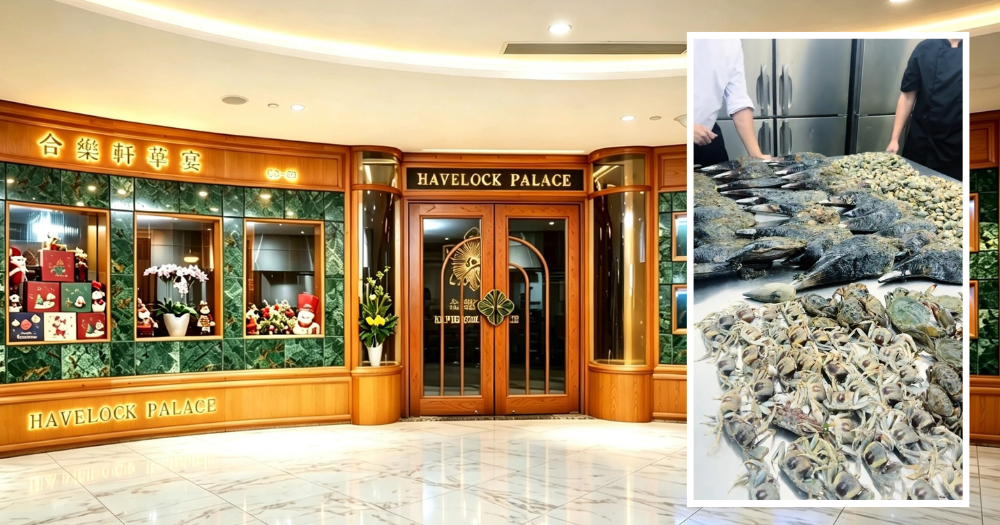
Havelock Palace has apologised for its role in the coastal foraging controversy. The restaurant had accepted and cooked marine life brought to it after it was foraged from an intertidal area in Singapore. The restaurant has tightened its procedures and apologised for not meeting the standards it expects of itself.
Imagine you're at the beach, and you see some cool creatures like clams and crabs. Some people might think it's fun to pick them up and take them home to eat. But, this can hurt the beach and the creatures that live there. It's like taking a toy from a friend's house without asking. The restaurant in this story made a mistake by taking these creatures from the beach and cooking them. They said sorry and promised to be more careful in the future.
Analysis
Havelock Palace's Apology and Response to the Controversy
Havelock Palace's apology and response to the coastal foraging controversy is a significant development in the ongoing debate about responsible food sourcing and handling. The restaurant's statement acknowledges that it had accepted and handled ingredients outside its approved sourcing channels, which did not meet the standards it expects of itself. This admission is a crucial step towards accountability and transparency in the food industry.
The restaurant's apology also highlights the need for stricter controls on food sourcing and receiving. Havelock Palace has tightened its procedures by strengthening supplier documentation and traceability, prohibiting food from unauthorised or unverified sources from entering the kitchen, and conducting refresher training for its management and kitchen teams on food safety and proper food handling. These measures demonstrate a commitment to upholding higher standards in food safety and responsible sourcing.
The Impact of Coastal Foraging on Marine Biodiversity and Ecosystem Services
The coastal foraging controversy has also raised concerns about the impact of coastal foraging on marine biodiversity and ecosystem services. Karenne Tun, a Group Director at the NParks National Biodiversity Centre, has highlighted the importance of protecting intertidal biodiversity and the need for public education on best practices for interacting with marine wildlife. The removal of wildlife from their habitats, including intertidal zones, can have far-reaching consequences on ecosystem services such as pollination, seed dispersal, and nutrient cycling.
The Role of Public Education and Awareness
Public education and awareness are crucial in preventing similar incidents in the future. The NParks National Biodiversity Centre has been working to educate the public on best practices for interacting with marine wildlife and the importance of protecting intertidal biodiversity. This effort is essential in promoting responsible food sourcing and handling practices.
Conclusion
The coastal foraging controversy has highlighted the importance of responsible food sourcing and handling practices. Havelock Palace's apology and response to the controversy demonstrate a commitment to upholding higher standards in food safety and responsible sourcing. The incident also raises concerns about the impact of coastal foraging on marine biodiversity and ecosystem services, emphasizing the need for public education and awareness.
Key points
- Havelock Palace apologised for its involvement in the coastal foraging controversy.
- The restaurant had accepted and cooked marine life brought to it after it was foraged from an intertidal area in Singapore.
- Havelock Palace has tightened its procedures to prevent similar incidents in the future.
- The coastal foraging controversy raises concerns about the impact of coastal foraging on marine biodiversity and ecosystem services.
- Public education and awareness are crucial in preventing similar incidents in the future.
The incident highlights the importance of responsible food sourcing and handling practices. Havelock Palace's apology and response demonstrate a commitment to upholding higher standards in food safety and responsible sourcing. This development could lead to improved food safety and handling practices in the industry, ultimately benefiting consumers and the environment.
The coastal foraging controversy raises concerns about the impact of coastal foraging on marine biodiversity and ecosystem services. If left unchecked, this practice could lead to the degradation of marine ecosystems and the loss of biodiversity. This could have far-reaching consequences for the environment and human health.