Starmer warns against ‘looking backwards’ to Brexit after rivals back UK’s return to EU
Keir Starmer warns against revisiting Brexit, reaffirming Labour's pledge not to rejoin the EU. He cites progress in UK-EU relations, built through quiet diplomacy.
Intelligence analysis by Llama 3.3 70B
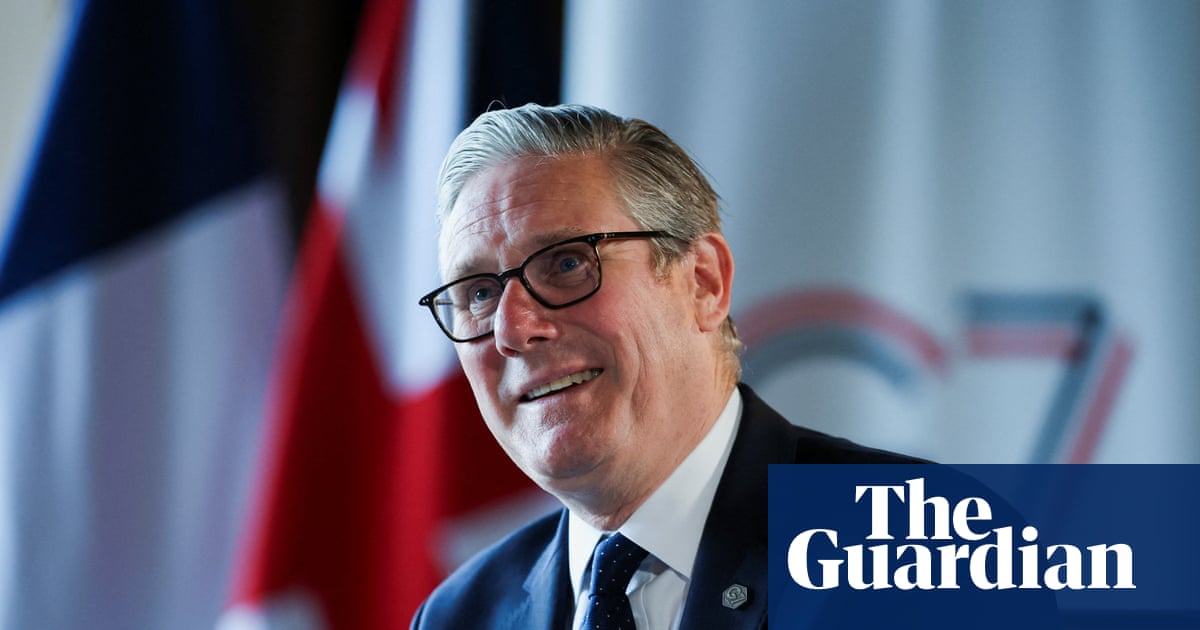
Starmer emphasizes the importance of moving forward, rather than dwelling on the past, in UK-EU relations, as he faces pressure from rivals to reconsider rejoining the EU.
Imagine you're playing with a friend, but you had a big argument and aren't playing together anymore. That's kind of like what happened with the UK and the EU when the UK decided to leave. Now, the UK's leader, Keir Starmer, wants to be friends with the EU again, but not in the same way as before. He wants to work together and be nice to each other, but not be part of the same team.
Analysis
A New Chapter in UK-EU Relations
The UK's decision to leave the EU, commonly known as Brexit, has had far-reaching consequences for the country's economy, politics, and society. As the UK navigates its new relationship with the EU, Keir Starmer's government has committed to not rejoining the bloc. However, some of Starmer's rivals, including Andy Burnham and Wes Streeting, have expressed a desire to see the UK rejoin the EU in the future.
Starmer's approach to UK-EU relations has been characterized by a desire to move forward, rather than dwelling on the past. He has emphasized the importance of building a closer relationship with the EU, based on mutual respect and cooperation. This approach has yielded some positive results, including the announcement of a 'reset' summit between the UK and EU, scheduled to take place in July.
The Importance of Quiet Diplomacy
Starmer has attributed the progress made in UK-EU relations to the adoption of a more professional and quiet approach to diplomacy. By avoiding megaphone diplomacy and instead engaging in constructive dialogue, the UK and EU have been able to make significant strides in areas such as trade and security. This approach has also helped to build trust and confidence between the two parties, which is essential for the development of a strong and enduring relationship.
A Brighter Future for UK-EU Relations
As the UK and EU continue to navigate their new relationship, there are reasons to be optimistic about the future. The 'reset' summit scheduled for July provides an opportunity for the two parties to reaffirm their commitment to cooperation and mutual respect. Additionally, the progress made in areas such as trade and security demonstrates that the UK and EU can work together effectively, even in the aftermath of Brexit. By building on these positive developments, the UK and EU can create a brighter future for themselves and for the people of Europe.
Key points
- Keir Starmer warns against revisiting Brexit
- UK-EU relations are improving through quiet diplomacy
- A 'reset' summit is scheduled for July
If the UK and EU can continue to build a strong and cooperative relationship, it could lead to increased trade and economic growth, as well as improved security and stability. This, in turn, could have a positive impact on the lives of people in the UK and EU, creating new opportunities and improving living standards.
However, there are also risks and challenges associated with the UK's new relationship with the EU. If the two parties are unable to come to an agreement on key issues, such as trade and security, it could lead to increased tensions and conflict. Additionally, the UK's decision to leave the EU has already had significant economic and social consequences, and it may take time for the country to fully recover.