State Bank of Pakistan Introduces New Shariah Rules for Islamic Banking
SBP introduces new Shariah rules for Islamic banking in Pakistan.
Intelligence analysis by Qwen 2.5 (3B)
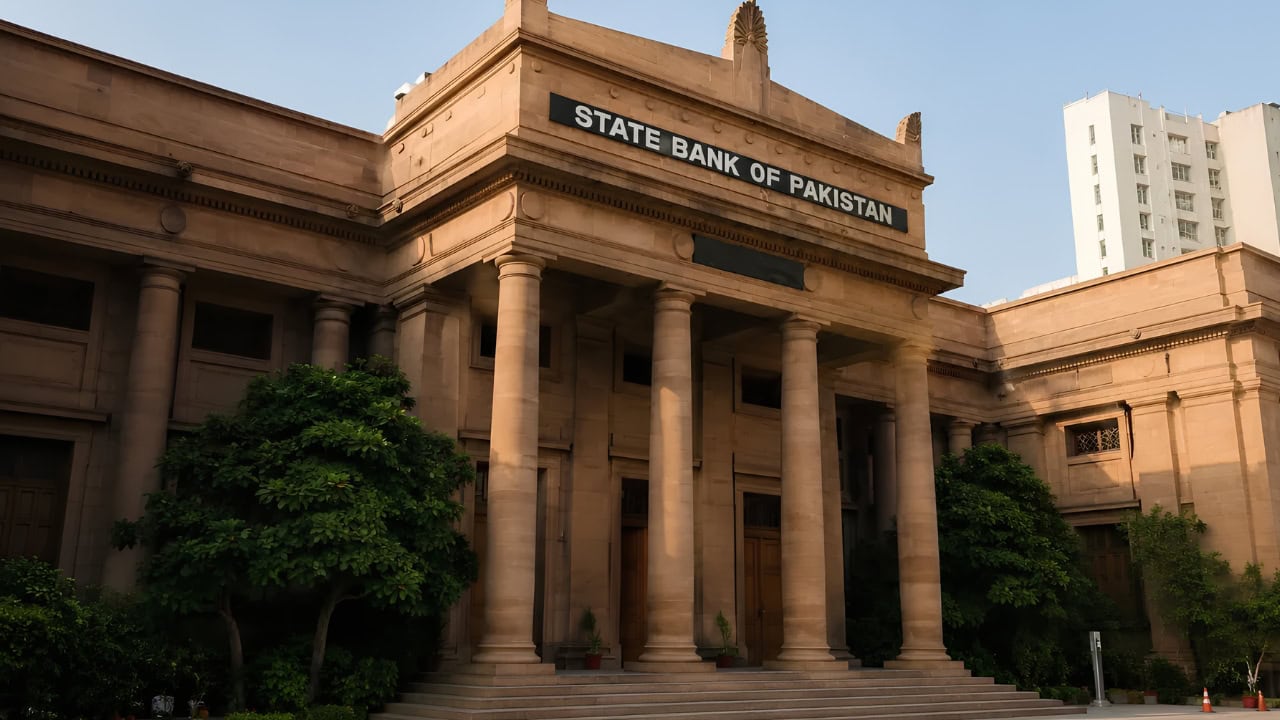
State Bank of Pakistan (SBP) has adopted Shariah Standard No. 30 on Monetization (Tawarruq) to strengthen Shariah compliance and improve consistency across Pakistan's Islamic banking sector.
The State Bank of Pakistan is making new rules for Islamic banks to make sure they follow the right religious practices. This will help make sure all Islamic banks in Pakistan do the same things.
Analysis
{"heading":"Impact on Islamic Banking Sector","subheading":"Enhanced Regulatory Oversight and Compliance","paragraph":["The introduction of the new Shariah rules by SBP is expected to enhance regulatory oversight and compliance within the Islamic banking sector. This move is aimed at ensuring that Islamic banking transactions adhere to the prescribed Shariah framework.","The guidelines issued by SBP include the principle of Ḥajah (need) to Tawarruq-based transactions, which is intended to reinforce the regulatory environment and ensure that these transactions are conducted in accordance with Shariah principles.","The SBP's warning to banks that fail to comply with the new instructions may face penalties under the Banking Companies Ordinance, 1962, underscores the importance of adhering to these new standards."]}
Key points
- SBP introduces new Shariah rules for Islamic banking in Pakistan
- The new rules aim to bring Islamic banking practices into closer alignment with established Shariah standards
- The guidelines include the principle of Ḥajah (need) to Tawarruq-based transactions
- Banks that fail to comply with the new instructions may face penalties under the Banking Companies Ordinance, 1962
The new rules could lead to more consistent and transparent Islamic banking practices, which could attract more investors and improve the sector's reputation.
However, some banks might find it difficult to comply with the new rules, which could lead to penalties and potentially affect their operations.