Status of US-Iran talks uncertain as ship struck in Hormuz
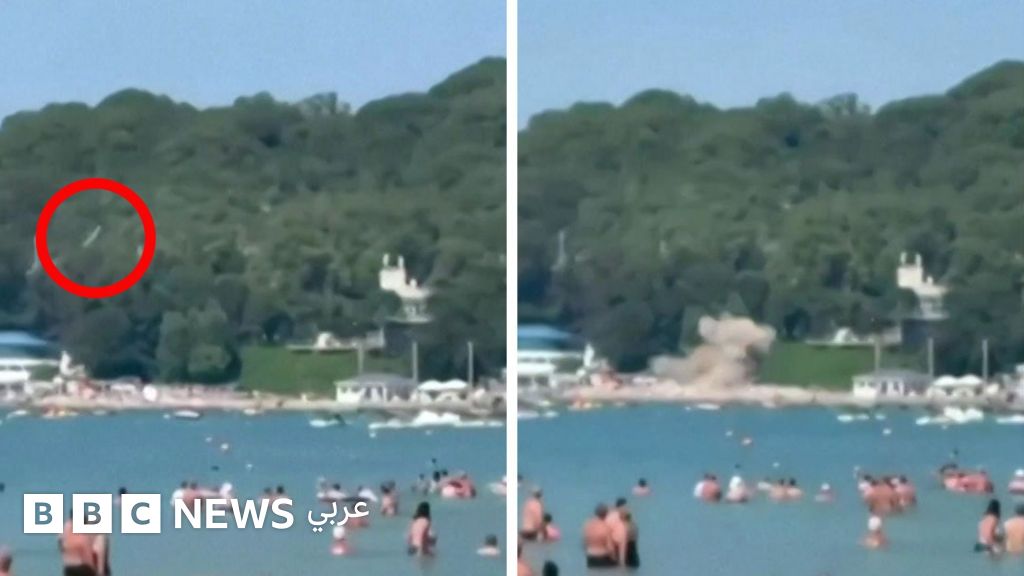
Conflicting signals from the United States and Iran over the status of talks to end their five-month-old war boosted uncertainty on Tuesday, with the latest attack on shipping in the Strait of Hormuz highlighting risks to global energy flows.
Intelligence analysis by Llama
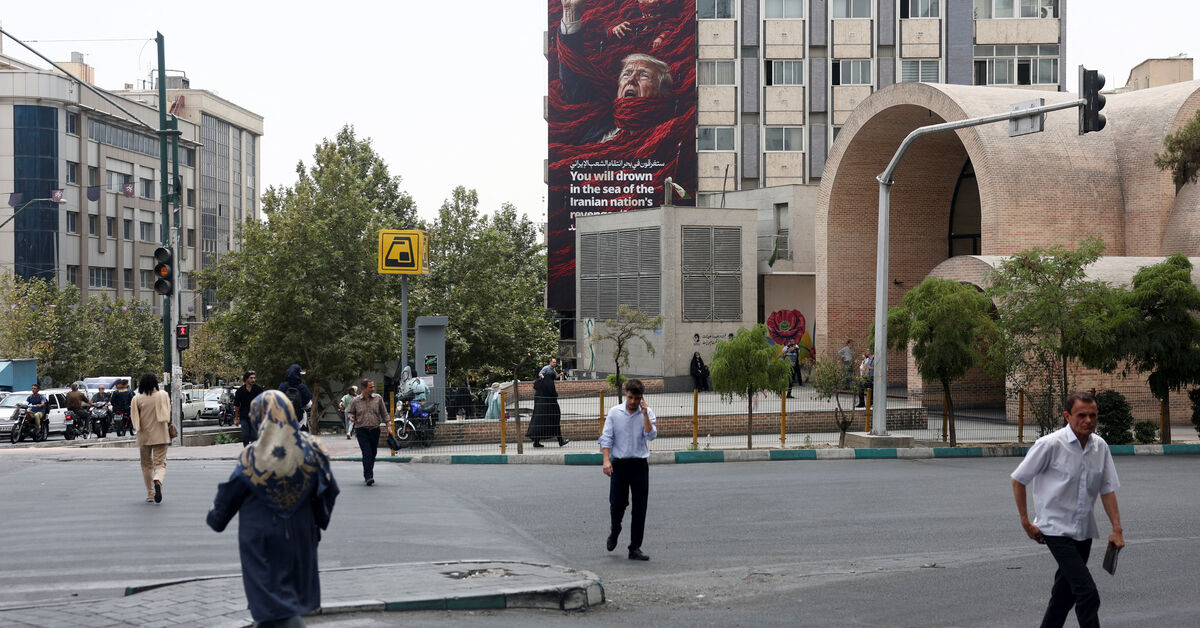
US President Donald Trump said talks were under way on Monday, warning of a 'last chance' for Tehran to sign a good deal, but Iran denied that negotiations were being held or planned. The comments followed Trump's weekend decision to call off 'massive attacks' he said he had authorized on Iran, as talks were to be held.
Imagine you're playing a game of chess with your friend. You both make moves, but sometimes you get stuck in a loop, and it's hard to know who's winning or losing. That's kind of like what's happening with the US and Iran right now. They're trying to figure out how to end their war, but they keep making moves that make it harder to solve the problem. It's like they're stuck in a loop, and it's hard to know what will happen next.
Analysis
A $60B Vote of Confidence
The recent attack on shipping in the Strait of Hormuz has highlighted the risks to global energy flows, as the US and Iran continue to engage in a five-month-old war. The conflict has already disrupted trade routes and shipping lanes, and the latest attack has raised concerns about the stability of the region. The US has threatened military action several times, only to later cite diplomatic contacts as a reason to step back. Iran, however, has publicly rejected negotiations with Washington since the collapse in early July of a memorandum of understanding both signed the previous month, aimed at ending the conflict.
Why Cursor?
The US has yet to achieve the objectives it set out at the outset of the war: dismantling Iran's nuclear program, curbing its ability to attack regional rivals, and creating conditions for Iranians to overthrow their clerical rulers. Repeated US actions have been met by escalating Iranian responses against US forces in the region, Washington's Gulf Arab allies, and shipping, each time ending with Trump stepping back. The Hormuz dispute remains a central point of contention, with Washington saying the June memorandum required Iran to open the strategic waterway, while Tehran says the text explicitly preserved its authority over shipping traffic.
The Road Ahead
The status of US-Iran talks is uncertain, and the latest attack on shipping in the Strait of Hormuz has highlighted the risks to global energy flows. The US and Iran continue to engage in a five-month-old war, with the conflict disrupting trade routes and shipping lanes. The US has threatened military action several times, only to later cite diplomatic contacts as a reason to step back. Iran, however, has publicly rejected negotiations with Washington since the collapse in early July of a memorandum of understanding both signed the previous month, aimed at ending the conflict.
Key points
- The US and Iran are engaged in a five-month-old war, with the conflict disrupting trade routes and shipping lanes.
- The US has threatened military action several times, only to later cite diplomatic contacts as a reason to step back.
- Iran has publicly rejected negotiations with Washington since the collapse in early July of a memorandum of understanding both signed the previous month, aimed at ending the conflict.
- The Hormuz dispute remains a central point of contention, with Washington saying the June memorandum required Iran to open the strategic waterway, while Tehran says the text explicitly preserved its authority over shipping traffic.
Despite the uncertainty, there are hopes that the US and Iran can find a way to end their war and resolve their differences. The recent attack on shipping in the Strait of Hormuz has highlighted the risks to global energy flows, but it has also shown that the US and Iran are willing to talk and find a solution.
The situation remains volatile, and the risk of further escalation is high. The US and Iran have a long history of conflict, and it's unclear whether they can find a way to end their war and resolve their differences. The recent attack on shipping in the Strait of Hormuz has highlighted the risks to global energy flows, and it's possible that the situation could get worse before it gets better.