Strive’s SATA Rebounds Toward Par as Samson Mow Says Bitcoin bottom Is In
Strive’s SATA preferred shares have rebounded from a June low of $83.30 to about $97, recovering most of the selloff and moving back within roughly 3% of their $100 par value.
Intelligence analysis by Llama
Strive’s SATA preferred shares have recovered most of their June decline, moving back within 3% of their $100 par value. This recovery could signal renewed confidence in preferred-share products used by Bitcoin treasury companies.
Imagine you have a special kind of stock called a preferred share. It's like a bond, but it's a stock. Strive's SATA preferred shares have gone up in value, which means people are more confident in them. This is good news for companies like Strategy that use these shares to raise money for their Bitcoin treasuries.
Analysis
A $60B Vote of Confidence
Strive’s SATA preferred shares have rebounded from a June low of $83.30 to about $97, recovering most of the selloff and moving back within roughly 3% of their $100 par value. This recovery is significant for the Bitcoin treasury sector, as it could signal renewed confidence in preferred-share products used by companies like Strategy.
Strive introduced SATA in November 2025 as part of its strategy to finance the expansion of its Bitcoin treasury through preferred equity. The variable-rate perpetual preferred stock is intended to trade near its $100 par value by adjusting its dividend rate, allowing Strive to raise capital for its Bitcoin (BTC) treasury without issuing additional common shares.
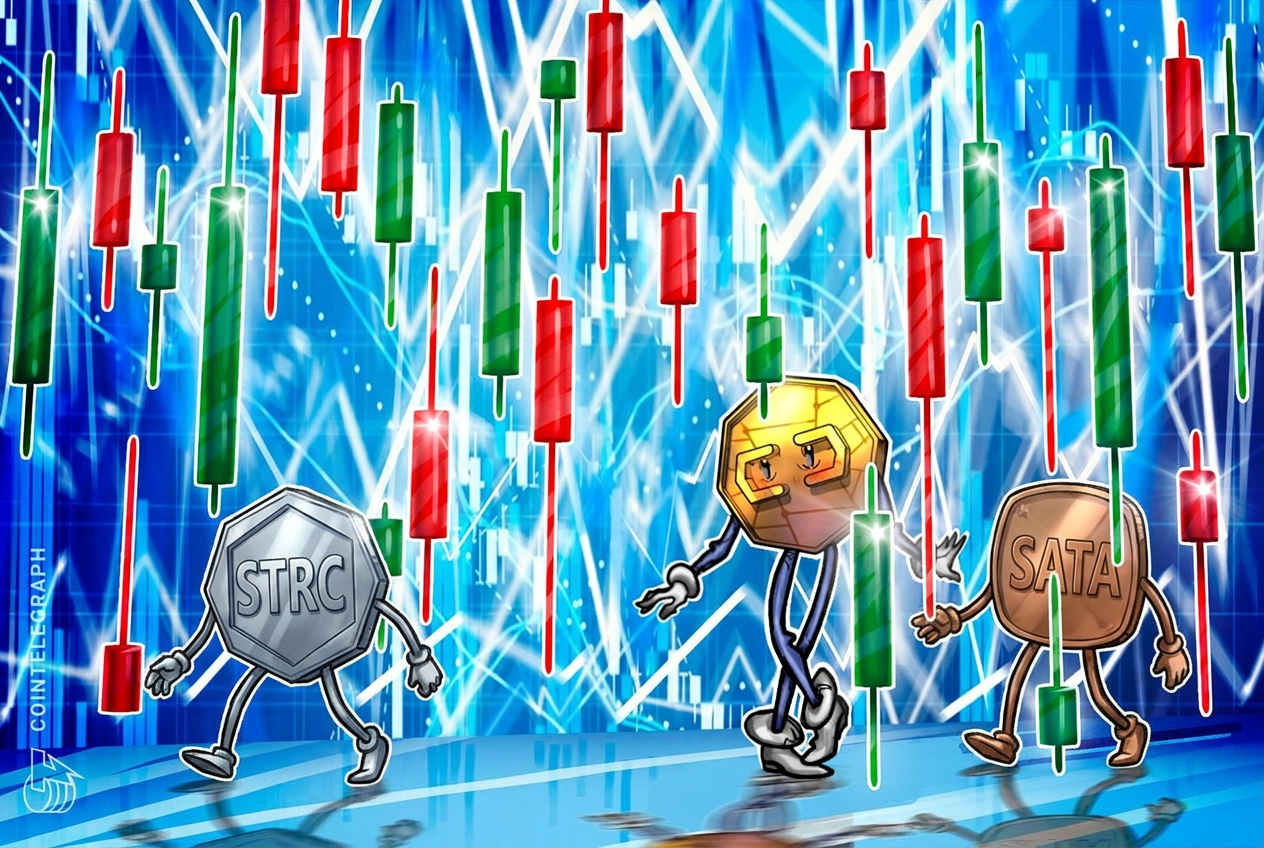
SATA is one of a growing number of preferred-share products tied to Bitcoin treasury strategies, an emerging segment that companies such as Strategy describe as “digital credit.” Strategy’s STRC, launched in 2025 with a similar objective of maintaining a $100 share price through a variable dividend, also fell sharply during the late-June selloff before recovering, though it continues to trade below par at around $87.
Why Cursor?
Jan3 founder and CEO Samson Mow told Cointelegraph that recent adjustments by Bitcoin treasury companies are beginning to restore confidence in preferred-share products, supporting his view that Bitcoin has already found its bottom.
“I think every action that Strategy has undertaken to strengthen their balance sheet and encourage STRC to go back to par is also working,” Mow said, adding: But everything sort of works in tandem. I think as SATA returns to par, you’re going to see STRC return to par too, because people say, ‘OK, this model’s not broken.’ Everyone is capitalized for three or more years of dividend payments... there was no reason to panic all along.
The Road Ahead
Mow said the improving performance of preferred-share products is part of a broader shift in the Bitcoin treasury sector, where companies have continued refining their capital-raising strategies. He pointed to Lyn Alden’s Orange Juice treasury company, which launched on July 15 with plans to operate a Bitcoin treasury, as another example of firms entering the market with different approaches and a lower Bitcoin cost basis.
Key points
- Strive's SATA preferred shares have recovered most of their June decline, moving back within 3% of their $100 par value.
- The recovery of Strive's SATA preferred shares is significant for the Bitcoin treasury sector, as it could signal renewed confidence in preferred-share products used by companies like Strategy.
- Jan3 founder and CEO Samson Mow believes that recent adjustments by Bitcoin treasury companies are beginning to restore confidence in preferred-share products.
- Mow pointed to Lyn Alden's Orange Juice treasury company as another example of firms entering the market with different approaches and a lower Bitcoin cost basis.
If Strive's SATA preferred shares continue to recover, it could signal a broader shift in the Bitcoin treasury sector, where companies are becoming more confident in using preferred-share products to raise capital.
However, if the preferred-share market continues to be volatile, it could lead to a decrease in confidence in these products, making it harder for companies to raise capital for their Bitcoin treasuries.