Sudden halt of US and Iran attacks: what the media are saying
Reports say Trump personally paused US strikes on Iran after advisors warned of Patriot missile shortages and three US soldiers killed in Jordan; Iran has matched the halt while warning Israel may still push for escalation.
Intelligence analysis by Llama
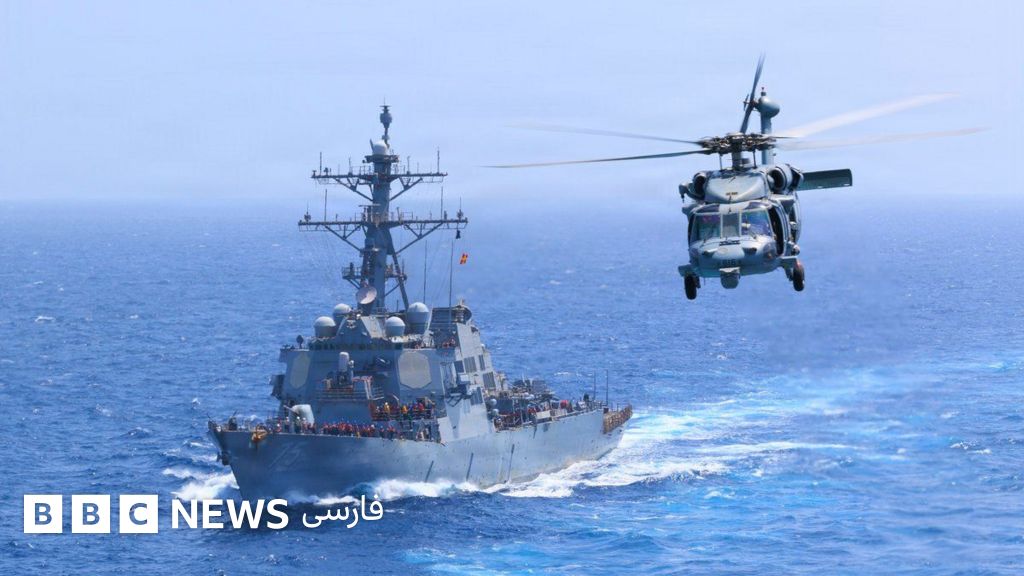
The New York Times and CNN report that Donald Trump decided to halt US attacks on Iran after a Friday meeting with senior advisors who flagged Patriot interceptor shortages, Gulf Arab ally drift, and three US deaths in Jordan. Iran has paused in response but frames the US move as strategic indecision and keeps the door open for renewed combat after Netanyahu's White House visit.
Imagine two kids throwing water balloons at each other, but suddenly one kid's water balloon supply runs low and his friends say the fight is getting too big. That's roughly what happened: the US ran short on some important weapons, and its top advisors told the president to stop before things got worse. Iran said it would stop too, but warned the other kid's big brother (Israel) might still want to keep playing.
Analysis
The Calculus Behind Trump's Pullback
The New York Times, citing two officials briefed on the Friday meeting, reports that Donald Trump decided "at least for now" to step back from escalation after his senior advisors laid out the operational costs. Central to that calculation was the depletion of Patriot interceptor missiles and other air defense munitions across the Middle East — a stockpile problem that became tangible the same week when three US soldiers were killed in Jordan after an Iranian ballistic missile pierced American air defenses already overwhelmed by waves of drones and missiles. The concerns voiced in the room went well beyond ammunition: NYT reports that war expansion in the region, Gulf Arab allies distancing from Washington, global economic damage, energy disruption, and a refugee wave were all raised. Vice President JD Vance and General Dan Caine, chairman of the Joint Chiefs of Staff, were among those expressing worry, according to the report. CNN, confirming the picture from its own sources, noted that Caine told the meeting the military could still execute available options but warned about the consequences — and that only a small circle around Trump, inside or outside the Pentagon, actually believed further escalation would deliver the desired outcome.
Iran's Calibrated Retaliation and Public Framing
Tehran has matched the American pause in public, with army spokesman Mohammad Akrami-Nia telling state TV that "America suffers from strategic decision-making erosion" and lacks a clear doctrine. Because Iran's strategy in this war period was, in his words, "retaliatory," Iran stopped its own operations once the US halted strikes for two consecutive nights. Yet Akrami-Nia framed the American move not as victory for Tehran but as a sign that Washington's objectives had not been achieved and that the US may now be searching for "a way out of the war." He stressed that Iran's posture remains contingent on the outcome of Benjamin Netanyahu's Monday visit to Washington, warning that Israel could still push the US toward "a major air operation" and refusing to rule out a ground campaign as an American option. The messaging underscores how Iran is trying to claim strategic parity while keeping the door open to renewed combat, and it gives Tehran a face-saving line: it stopped because the US stopped, not because it conceded.
Allies Caught Off Guard and the New Diplomatic Track
The pause landed unevenly across the region. Axios reports that Israel's security cabinet and military were caught off guard — Israel had been preparing for what it expected to be a major US strike that could draw retaliatory fire against Israeli territory, only to be informed that Trump would not authorize further attacks. That dissonance matters because the Israeli timeline now runs ahead of the American one, raising the prospect of an Israeli unilateral move that Washington may not back. Meanwhile, Pakistan and Qatar have moved into a more active mediating role. Anadolu Agency, citing Pakistani government sources, reports that Islamabad and Doha have intensified their message exchanges after receiving responses from Iran and the US on a draft plan to end the war, and are pushing both sides back to the terms that existed before the talks collapsed. With the US ambassador to the UN framing the pause as a chance for diplomacy now echoed by the Pakistani-Qatari channel, the next 48 hours — and Netanyahu's White House visit — are likely to determine whether this is a genuine ceasefire or simply a longer breath between strikes.
Key points
- The New York Times reports Trump halted strikes after Friday's meeting where advisors cited Patriot interceptor shortages, Gulf Arab ally drift, and risks of wider war
- Three US soldiers were killed in Jordan when an Iranian ballistic missile breached American air defenses already engaged with a wave of drones and missiles
- VP JD Vance and General Dan Caine, chairman of the Joint Chiefs, were among senior advisors raising concerns about escalation, per NYT
- Iran has paused its retaliatory operations and framed the US halt as strategic indecision rather than defeat, warning Netanyahu's White House visit could change the picture
- Axios reports Israel was caught off guard by the pause and had prepared for a major US strike that could have drawn Israeli retaliation
- Pakistan and Qatar are intensifying mediation efforts and asking Iran and the US to return to pre-war understandings and resume talks
If the pause holds, the Pakistan-Qatar mediation channel could revive diplomatic talks that collapsed before the war, and Iran's stated retaliatory doctrine gives Tehran a face-saving exit. A negotiated return to the pre-conflict understanding would ease energy markets, reduce the risk of a wider regional war, and pull Gulf Arab states back into alignment with Washington.
Iran's own spokesman has warned that Netanyahu's Monday White House visit could push the US toward "a major air operation," and Israel was reportedly caught off guard by the pause — meaning an Israeli unilateral strike that draws Iranian retaliation remains a live possibility. The Patriot munitions shortage itself implies the US could be vulnerable to further Iranian missile salvos if talks collapse, while energy markets and refugee flows could worsen sharply in any renewed exchange.
Market signals
- OIL Active US-Iran war with Strait of Hormuz tensions flagged in the article points to supply route risk and supports higher oil prices.
- XAU Geopolitical uncertainty from an active US-Iran conflict and the uncertain durability of the pause drive safe-haven demand.
- LMT The article cites Patriot interceptor shortages as a key reason for halting strikes, suggesting future replenishment demand for the Patriot's prime contractor.
AI-generated analysis of potential market relevance. Not financial advice.